Getting Around
Verdun is best explored on foot to fully appreciate its historical sites and memorials.
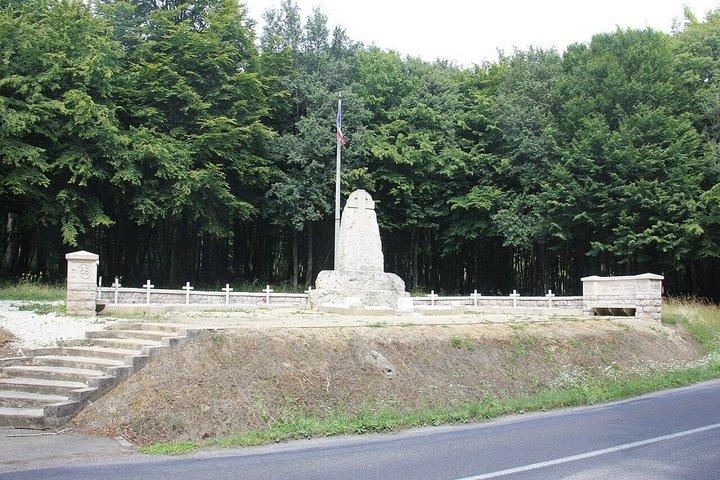
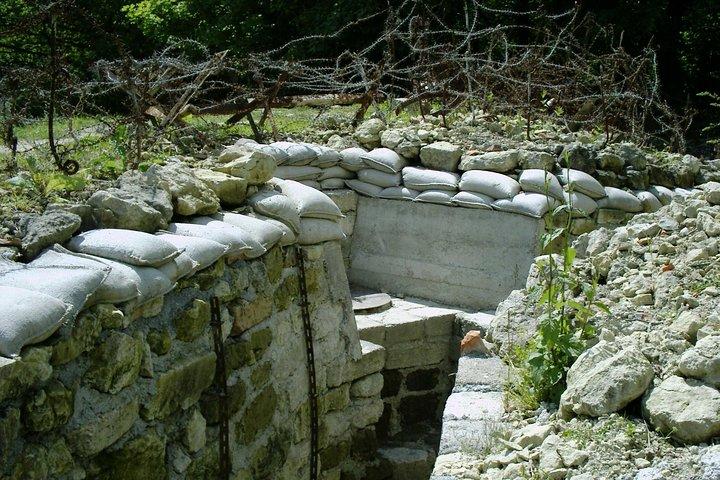
Verdun, situated in the Grand Est region of northeastern France, is a city steeped in history. It is most famous for the Battle of Verdun during World War I, the longest battle in modern history, which has left a lasting legacy on the city. Visitors can explore numerous memorials and museums that document this pivotal time. As the largest city in the Meuse department, Verdun also offers a variety of cultural and architectural landmarks, providing a rich experience for those interested in French history and heritage.
Verdun, situated in the Grand Est region of northeastern France, is a city steeped in history. It is most famous for the Battle of Verdun during World War I, the longest battle in modern history, which has left a lasting legacy on the city. Visitors can explore numerous memorials and museums that document this pivotal time. As the largest city in the Meuse department, Verdun also offers a variety of cultural and architectural landmarks, providing a rich experience for those interested in French history and heritage.
Site of the longest battle in modern history.
Rich in World War I history and memorials.
Cultural and architectural landmarks.
Largest city in the Meuse department.
Close access to World War I battlefields and memorials.
Rich cultural heritage with several museums and historical sites.
Beautiful natural surroundings suitable for walking and reflection.
Verdun is best explored on foot to fully appreciate its historical sites and memorials.
Try the regional specialties at local restaurants to get a taste of Verdun's culinary offerings.
History buffs and cultural explorers.
EUR €
$80-$150 p/day
French, English
Don't miss the Verdun Memorial and the Douaumont Ossuary for a deep dive into World War I history.
Historical Tour, Cultural Exploration, Educational Trip, Memorial Visit
April-JuneSeptember-November
Spring is a lovely time to visit Verdun with mild weather perfect for exploring historical sites.
Summers can be busy with tourists, but the long days are ideal for visiting outdoor memorials.
Autumn offers a peaceful atmosphere with fewer tourists and colorful landscapes.
Winters are quiet, providing a serene environment for reflection at the memorials.