Getting Around
Hildesheim is well-connected by public transport, making it easy to explore the city and nearby regions.
Hildesheim, located in Lower Saxony, Germany, is a city rich in history and culture. Established in 815 by Emperor Louis the Pious, it became a UNESCO World Heritage Site in 1985. Visitors can explore its medieval architecture, enjoy cultural events, and appreciate its historical significance. With a population of over 100,000, Hildesheim combines the charm of a small town with the amenities of a modern city, making it a great destination for history enthusiasts and cultural explorers.
Hildesheim, located in Lower Saxony, Germany, is a city rich in history and culture. Established in 815 by Emperor Louis the Pious, it became a UNESCO World Heritage Site in 1985. Visitors can explore its medieval architecture, enjoy cultural events, and appreciate its historical significance. With a population of over 100,000, Hildesheim combines the charm of a small town with the amenities of a modern city, making it a great destination for history enthusiasts and cultural explorers.
UNESCO World Heritage Sites
Rich medieval architecture
Historic diocese established in 815
Cultural events and festivals
Proximity to Hanover
Rich cultural heritage with UNESCO World Heritage Sites.
Proximity to Hanover offers additional exploration opportunities.
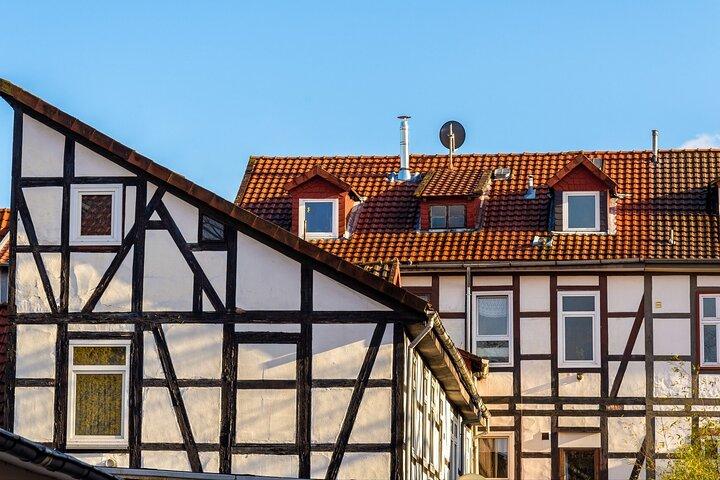
Blend of medieval architecture and modern amenities.
Hildesheim is well-connected by public transport, making it easy to explore the city and nearby regions.
Try local German dishes at traditional restaurants in the city center.
History enthusiasts and cultural explorers.
EUR €
$80-$150 p/day
German, English
Check the city's calendar for festivals and cultural events during your visit.
Don't miss the UNESCO World Heritage Sites, including St. Mary's Cathedral and St. Michael's Church.
Tourists, History Buffs, Cultural Exploration
April-JuneSeptember-November
Spring is a beautiful time to visit Hildesheim with mild temperatures and blooming landscapes.
Summer offers lively festivals and cultural events, but can be crowded.
Fall provides pleasant weather and fewer tourists, ideal for sightseeing.
Winter is quieter, perfect for enjoying the city's indoor attractions and historical sites.