

Getting Around
Greifswald is well-connected by public transport, making it easy to explore the city and nearby attractions.
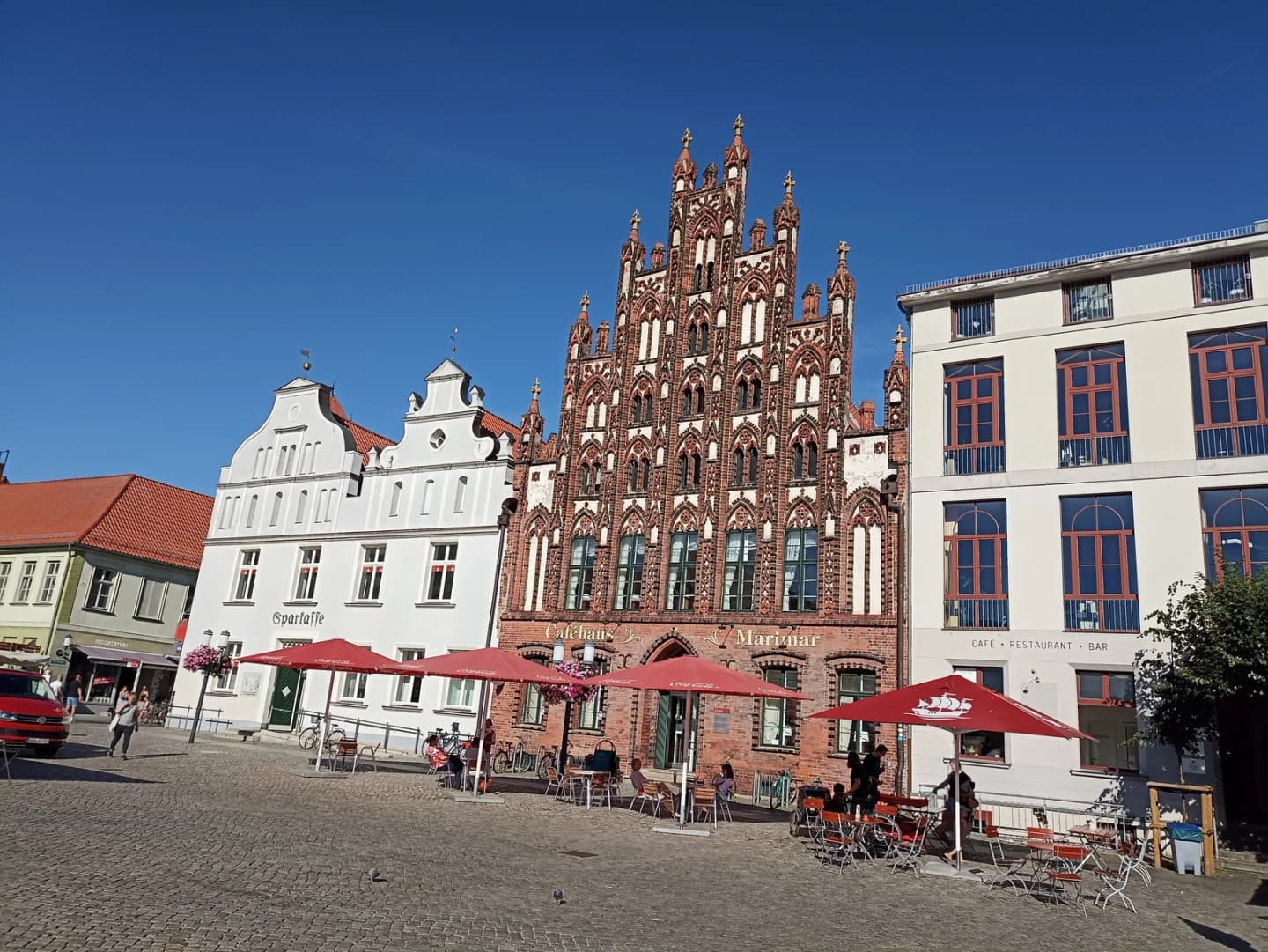
Greifswald, located in Mecklenburg-Vorpommern, Germany, is a city steeped in history and academic prestige. It is home to the University of Greifswald, the second-oldest university in the Baltic region, attracting students and scholars worldwide. The city boasts a rich Hanseatic history, evident in its architecture and cultural landmarks such as the ruins of Eldena Abbey, famously depicted in the works of Caspar David Friedrich. Situated on the Baltic Sea coast, Greifswald offers picturesque views and a vibrant cultural scene, making it an ideal destination for history enthusiasts and those seeking academic inspiration.
Greifswald, located in Mecklenburg-Vorpommern, Germany, is a city steeped in history and academic prestige. It is home to the University of Greifswald, the second-oldest university in the Baltic region, attracting students and scholars worldwide. The city boasts a rich Hanseatic history, evident in its architecture and cultural landmarks such as the ruins of Eldena Abbey, famously depicted in the works of Caspar David Friedrich. Situated on the Baltic Sea coast, Greifswald offers picturesque views and a vibrant cultural scene, making it an ideal destination for history enthusiasts and those seeking academic inspiration.
Home to the University of Greifswald, founded in 1456.
Rich Hanseatic history with cultural landmarks.
Picturesque location on the Baltic Sea coast.
Famous for the ruins of Eldena Abbey.
Hosts the Pomeranian State Museum.
Proximity to the Baltic Sea offers beautiful coastal views.
Rich in academic and historical significance.
Home to significant cultural landmarks like the Pomeranian State Museum.
Greifswald is well-connected by public transport, making it easy to explore the city and nearby attractions.
Try traditional Pomeranian dishes at local restaurants for an authentic taste of the region.
History buffs and academic visitors.
EUR €
$80-$150 p/day
German, English
Respect local customs, especially when visiting historical sites and museums.
Pack layers as the coastal climate can be unpredictable, with breezy conditions.
Cultural Exploration, Educational Travel, Historical Sightseeing
April-JuneSeptember-November
Spring is a pleasant time to visit Greifswald, with mild temperatures and blooming nature.
Summer offers warm weather, perfect for exploring the coastal areas and enjoying outdoor activities.
Fall brings cooler temperatures and fewer tourists, ideal for a peaceful visit.
Winter is quiet with fewer crowds, making it a good time for museum visits and indoor activities.