

Maritime Travel
Consider taking a boat tour through the Kiel Canal to see one of the world's busiest artificial waterways up close.
Schleswig-Holstein serves as a cultural bridge between Germany and Scandinavia, characterized by its strategic location between the North and Baltic Seas. Visitors can explore the medieval charm of Lübeck, the maritime hub of Kiel, and the northern flair of Flensburg. The region's history is deeply intertwined with the sea, evident in its bustling shipyards and the engineering marvel of the Kiel Canal. Beyond its urban centers, the landscape is defined by traditional agriculture, Holstein cattle, and modern wind farms, reflecting a balance of heritage and green energy. The local cuisine is a highlight, featuring fresh catches from the thriving fishing industry that define the area's culinary identity, from harbor-side snacks to refined seafood dining.
Schleswig-Holstein serves as a cultural bridge between Germany and Scandinavia, characterized by its strategic location between the North and Baltic Seas. Visitors can explore the medieval charm of Lübeck, the maritime hub of Kiel, and the northern flair of Flensburg. The region's history is deeply intertwined with the sea, evident in its bustling shipyards and the engineering marvel of the Kiel Canal. Beyond its urban centers, the landscape is defined by traditional agriculture, Holstein cattle, and modern wind farms, reflecting a balance of heritage and green energy. The local cuisine is a highlight, featuring fresh catches from the thriving fishing industry that define the area's culinary identity, from harbor-side snacks to refined seafood dining.
The historic Hanseatic city of Lübeck, a UNESCO World Heritage site.
The world-famous Kiel Canal, one of the busiest artificial waterways.
Traditional seafood dishes and a thriving local fishing culture.
Expansive offshore wind farms showcasing leadership in renewable energy.
A unique cultural tapestry blending German and Danish influences.
The region has a distinct maritime climate with frequent breezes and rapidly changing weather conditions.
Strong Danish cultural and linguistic influences are especially prevalent in the northern parts of the state.
It is a major leader in renewable energy, with numerous offshore wind farms visible along the coast.
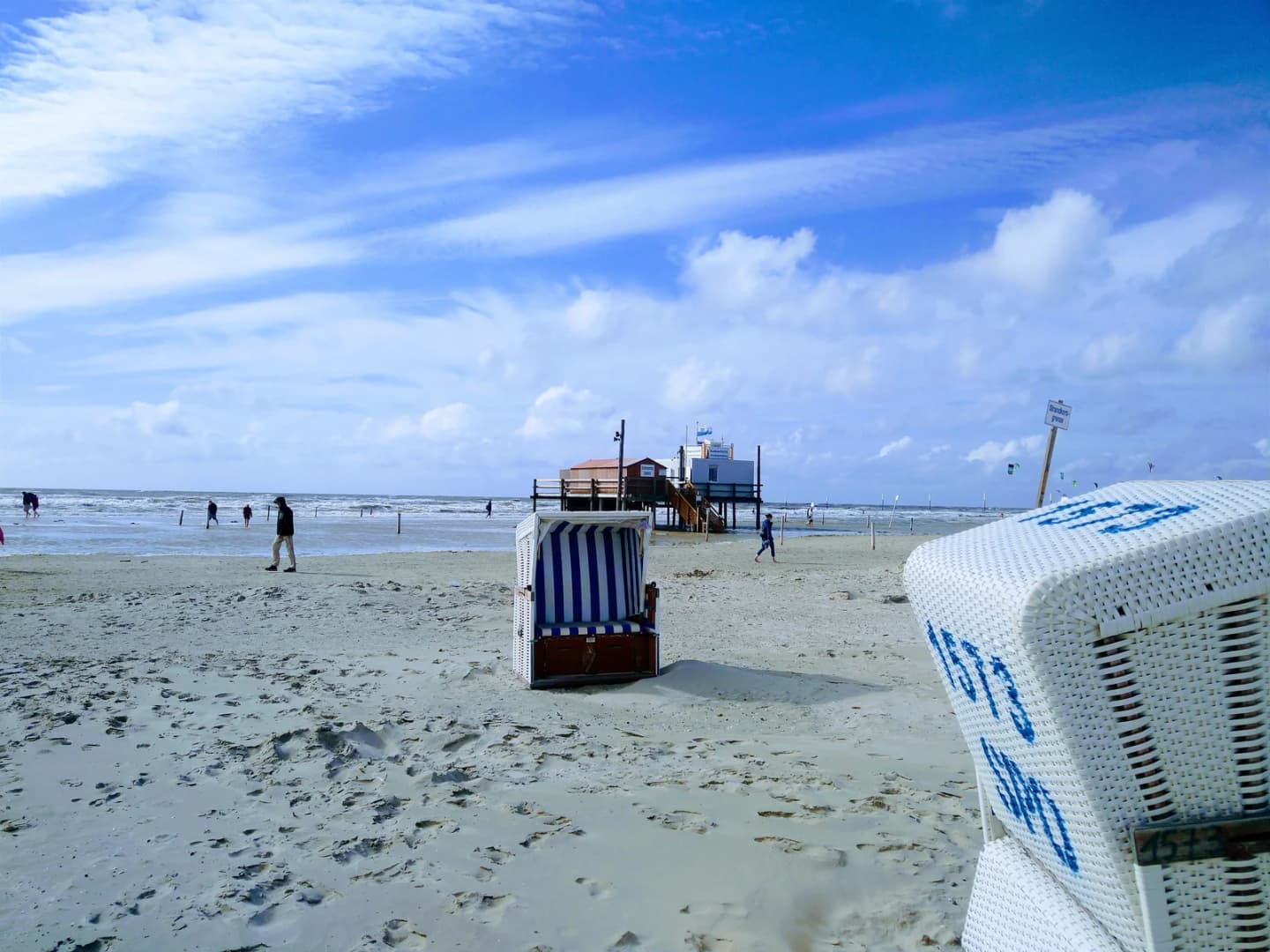
The area is home to the Wadden Sea, a unique tidal ecosystem and UNESCO World Heritage site.
Consider taking a boat tour through the Kiel Canal to see one of the world's busiest artificial waterways up close.
Try the fresh fish rolls (Fischbrötchen) at the harbor for an authentic and affordable taste of the region.
Coastal exploration, maritime history, and fresh seafood.
EUR €
$110-$170 p/day
German, Danish, English
The flat landscape makes it perfect for cycling along the scenic Baltic or North Sea dikes.
Spend a full day in Lübeck to explore its medieval architecture and world-famous marzipan shops.
May-September
Mild temperatures and blooming landscapes make it a great time for cycling and visiting historical gardens.
The peak season for beach holidays on the islands and coastal resorts, featuring lively maritime festivals.
A quieter time perfect for exploring museums and enjoying hearty local seafood as the weather cools.
Experience traditional Christmas markets in Lübeck and Kiel, though be prepared for cold, windy coastal weather.


