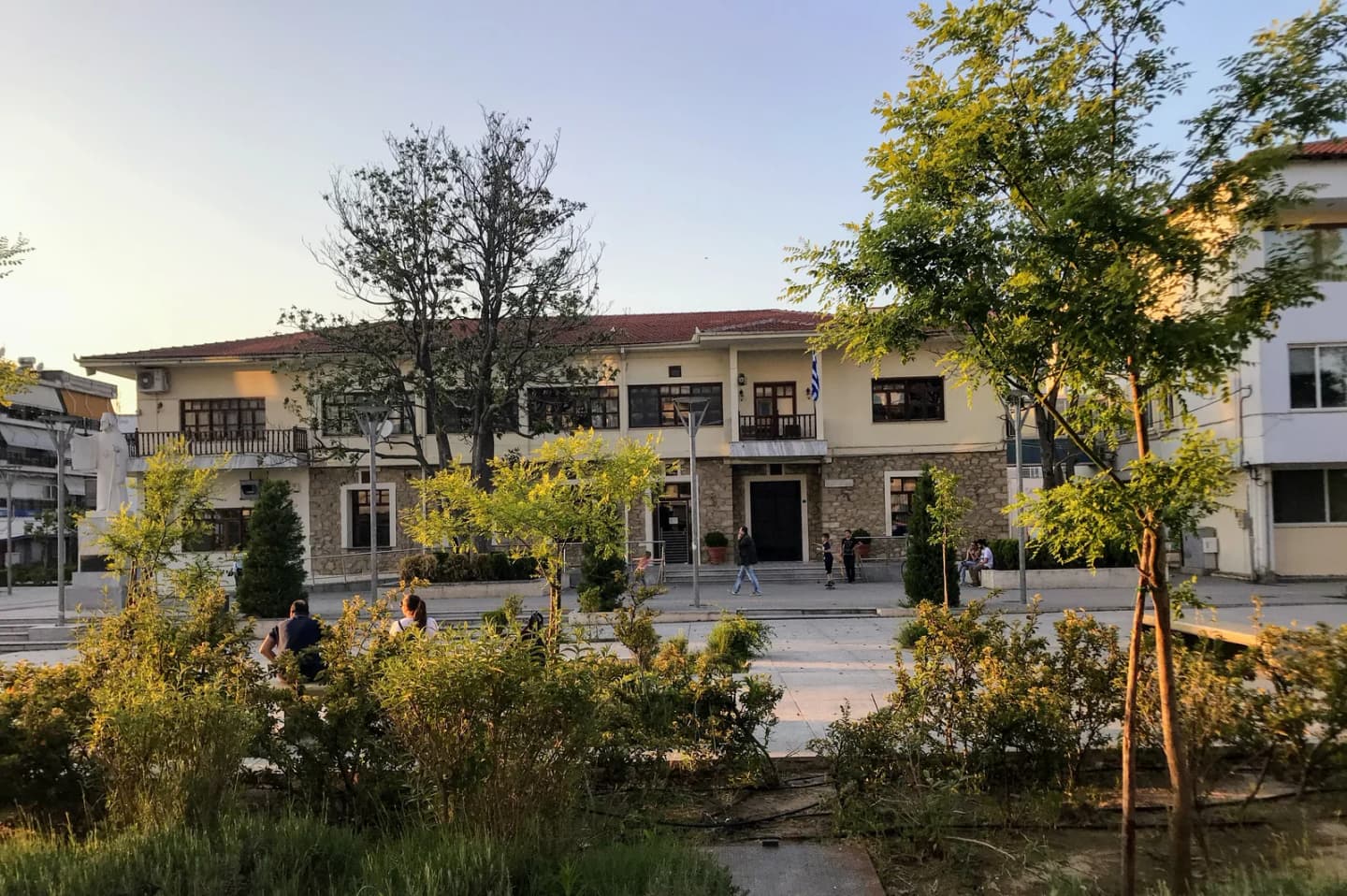


Getting Around
Orestiáda is best explored on foot to fully appreciate its historical sites.
Orestiáda, located in the East Macedonia and Thrace region of Greece, is the country's northeasternmost city. Established in 1923 by Greek refugees from Edirne following the population exchange between Greece and Turkey, the city is imbued with a rich cultural heritage. With a population of approximately 20,000, Orestiáda is the second largest city in the Evros regional unit. Visitors can explore its historical roots while enjoying the quiet and community-focused atmosphere.
Orestiáda, located in the East Macedonia and Thrace region of Greece, is the country's northeasternmost city. Established in 1923 by Greek refugees from Edirne following the population exchange between Greece and Turkey, the city is imbued with a rich cultural heritage. With a population of approximately 20,000, Orestiáda is the second largest city in the Evros regional unit. Visitors can explore its historical roots while enjoying the quiet and community-focused atmosphere.
Northeasternmost city in Greece.
Founded by Greek refugees in 1923.
Rich cultural heritage.
Second largest city in Evros region.
Close proximity to the Evros River, ideal for nature walks.
Rich history due to its founding by Greek refugees.
Quiet and less crowded compared to major Greek cities.
Orestiáda is best explored on foot to fully appreciate its historical sites.
Try local Greek dishes at family-run tavernas for an authentic experience.
Cultural enthusiasts and history buffs.
EUR €
$50-$100 p/day
Greek, English
Respect local customs, especially when visiting historical sites and religious places.
While Greek is the main language, English is widely understood in tourist areas.
Cultural Exploration, Historical Tourism
April-JuneSeptember-November
Spring offers mild weather, perfect for exploring the city's historical sites.
Summers are warm, ideal for enjoying outdoor activities and local festivals.
Fall is pleasant with fewer tourists, making it a great time for cultural exploration.
Winters are mild, suitable for indoor activities and museum visits.


