Dress in Layers
Weather in Iceland is famously unpredictable; always carry waterproof and windproof outer layers regardless of the season.
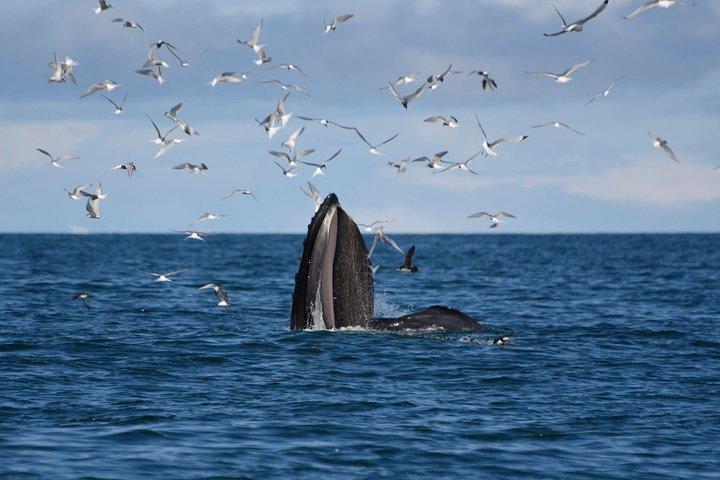
Iceland is a captivating island nation situated in the North Atlantic, famous for its starkly beautiful and diverse terrain. Visitors are drawn to its unique geological features, including the erupting geysers of the Golden Circle, the vast Vatnajökull glacier, and the black sand beaches of Vík. The country is a hub for outdoor activities, offering everything from ice caving and glacier hiking to whale watching. Beyond its natural wonders, Iceland boasts a rich cultural heritage rooted in Norse sagas and a modern, creative capital city. Whether you are soaking in the mineral-rich Blue Lagoon or hunting for the Northern Lights in the dark of winter, Iceland provides an unforgettable encounter with the raw power of nature.
Iceland is a captivating island nation situated in the North Atlantic, famous for its starkly beautiful and diverse terrain. Visitors are drawn to its unique geological features, including the erupting geysers of the Golden Circle, the vast Vatnajökull glacier, and the black sand beaches of Vík. The country is a hub for outdoor activities, offering everything from ice caving and glacier hiking to whale watching. Beyond its natural wonders, Iceland boasts a rich cultural heritage rooted in Norse sagas and a modern, creative capital city. Whether you are soaking in the mineral-rich Blue Lagoon or hunting for the Northern Lights in the dark of winter, Iceland provides an unforgettable encounter with the raw power of nature.
Witnessing the ethereal Aurora Borealis during winter months.
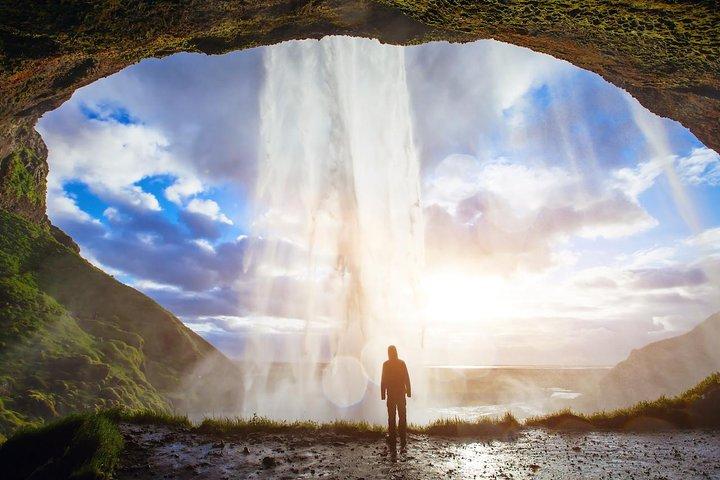
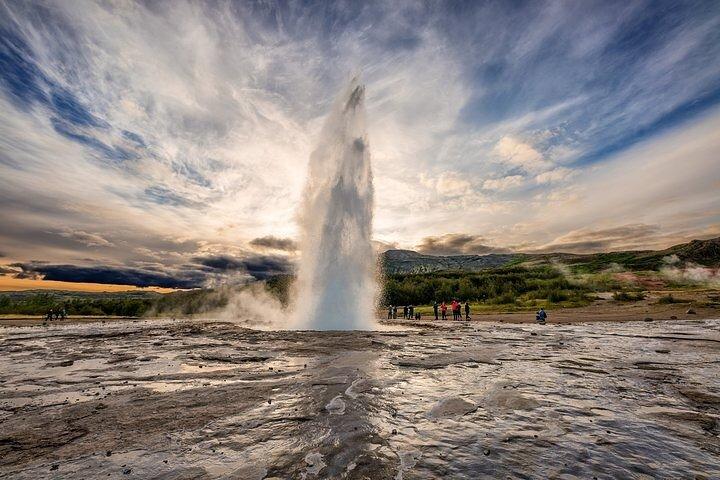
Exploring the Golden Circle's geysers and waterfalls.
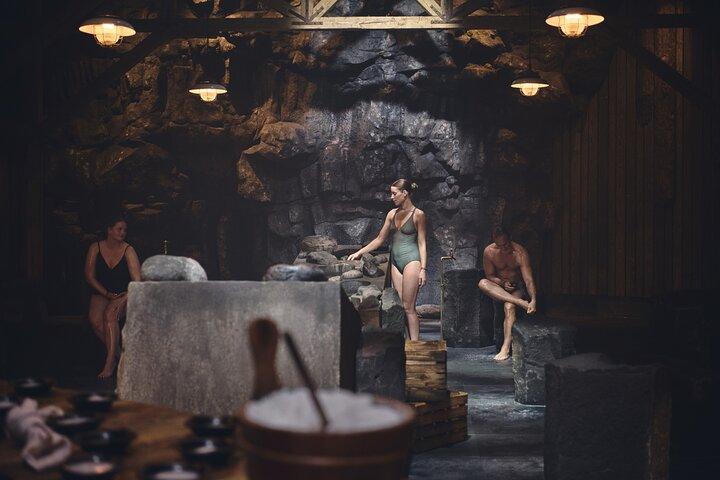
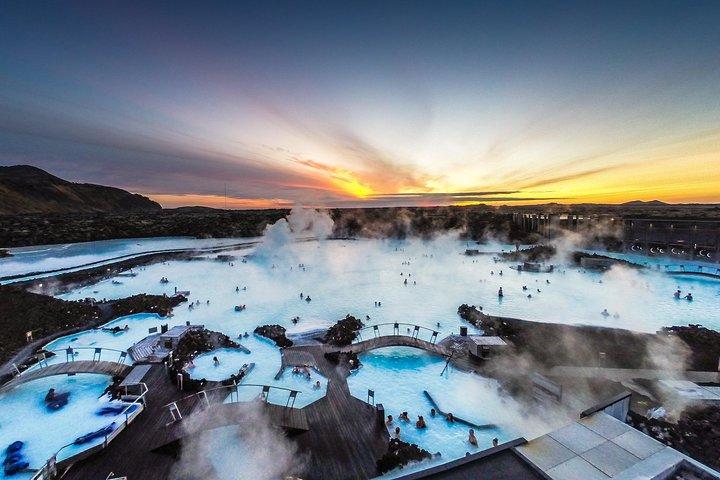
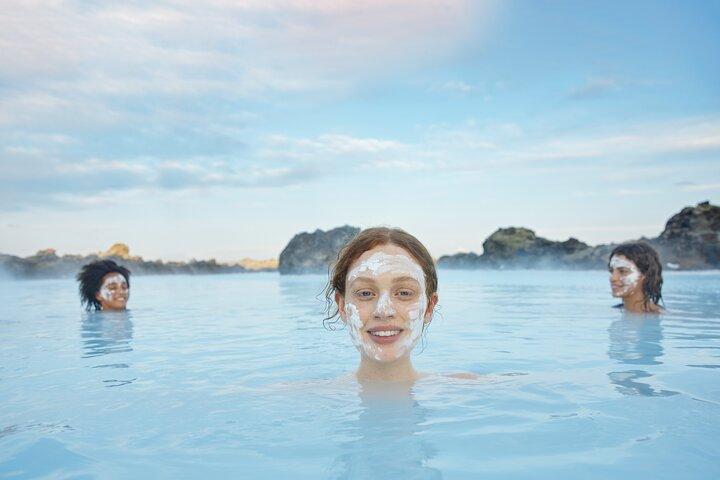
Relaxing in geothermal waters like the Blue Lagoon.
Driving the scenic Ring Road around the entire island.
High cost of living makes dining and transport significantly more expensive than in most European countries.
Limited daylight hours during the winter months, with as little as four to five hours of sun in December.
Strict environmental protections mean off-road driving is strictly illegal and subject to heavy fines.
Rapidly changing weather conditions can lead to sudden road closures and impact travel safety.
Weather in Iceland is famously unpredictable; always carry waterproof and windproof outer layers regardless of the season.
Renting a 4x4 is highly recommended if you plan to explore the interior highlands or travel during the winter months.
Dramatic landscapes, geothermal spas, and chasing the Northern Lights.
ISK kr
$150-$250 p/day
Icelandic, English
The tap water in Iceland is among the cleanest in the world; bring a reusable bottle and skip buying plastic bottled water.
Popular attractions and accommodations can fill up months in advance, especially during the peak summer season.
June-August, September-March
A transitional time with melting snow and returning birdlife, offering fewer crowds and lower prices.
The peak season with nearly 24 hours of daylight (Midnight Sun), ideal for hiking and reaching the highlands.
Cooler temperatures and the start of the Northern Lights season, featuring beautiful autumnal colors across the tundra.
The best time for ice caves and Aurora hunting, though some rural roads may be impassable due to snow.