Getting Around
Warsaw has an efficient public transport system including metro, buses, and trams.
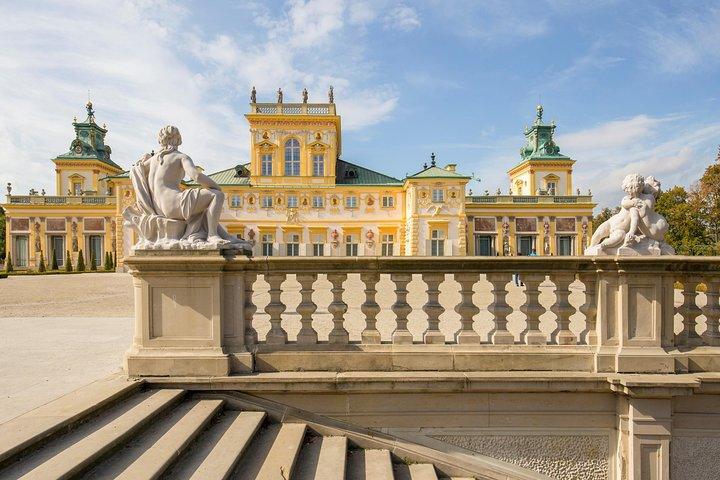
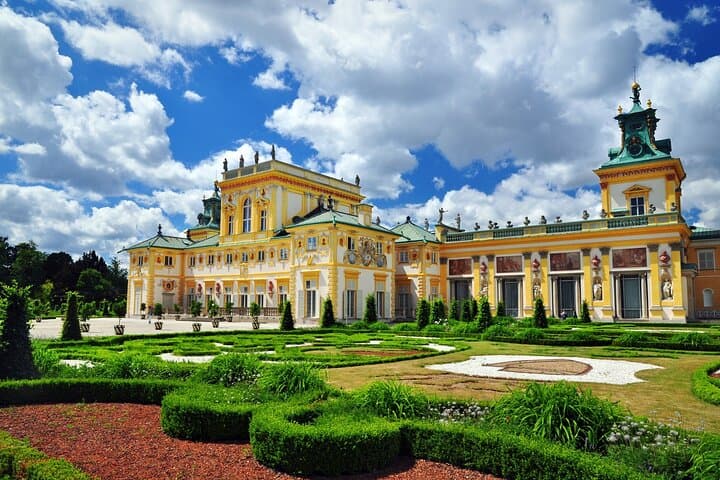
Warsaw, the capital city of Poland, stands as a testament to resilience and renewal. Known for its historic Old Town, which was meticulously reconstructed after World War II, the city offers a rich tapestry of cultural landmarks, including the Royal Castle and Wilanów Palace. Modern skyscrapers, like the Varso Tower, highlight its economic significance. With a quarter of its area dedicated to parks, Warsaw is a green oasis amidst urban life. The city is also a hub for education and culture, hosting numerous universities and theaters. Its efficient public transport system, including the metro and extensive tram network, makes exploring the city convenient for visitors.
Warsaw, the capital city of Poland, stands as a testament to resilience and renewal. Known for its historic Old Town, which was meticulously reconstructed after World War II, the city offers a rich tapestry of cultural landmarks, including the Royal Castle and Wilanów Palace. Modern skyscrapers, like the Varso Tower, highlight its economic significance. With a quarter of its area dedicated to parks, Warsaw is a green oasis amidst urban life. The city is also a hub for education and culture, hosting numerous universities and theaters. Its efficient public transport system, including the metro and extensive tram network, makes exploring the city convenient for visitors.
Reconstructed Old Town, a UNESCO World Heritage Site.
Vibrant cultural scene with museums and theaters.
Extensive public transport system including metro and trams.
Green spaces covering a quarter of the city.
Home to the tallest building in the EU, Varso Tower.
Rich cultural heritage with numerous museums and historical sites.
Extensive green spaces ideal for relaxation and outdoor activities.
Dynamic blend of historical and modern architecture.
Warsaw has an efficient public transport system including metro, buses, and trams.
Try traditional Polish dishes like pierogi and bigos at local eateries.
History buffs and city explorers.
PLN zł
$60-$120 p/day
Polish, English
Respectful behavior is appreciated, especially in historical and cultural sites.
Warsaw is generally safe, but like any major city, it's wise to stay alert in crowded areas.
Tourists, History, Culture, Architecture, Urban Exploration
April-JuneSeptember-November
Spring is a great time to visit Warsaw with mild weather and blooming parks.
Summers are warm and perfect for exploring outdoor attractions and festivals.
Fall offers pleasant weather and fewer tourists, ideal for sightseeing.
Winters can be cold, but the festive atmosphere and Christmas markets are worth experiencing.