Local Transport
Public buses connect the town to Ufa, the regional capital, but schedules can be infrequent; consider checking times at the local station.
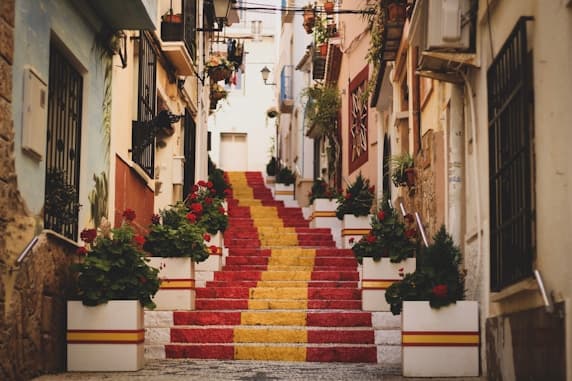
Verkhneyarkeyevo serves as the administrative hub of the Ilishevsky District within the Bashkortostan Republic. With a population of nearly 10,000, it functions as a central point for the surrounding agricultural communities. Visitors will find a town that moves at a slower pace, characterized by traditional residential architecture and local government buildings. The area is deeply influenced by Bashkir and Tatar traditions, which are reflected in the local lifestyle and community spirit. While not a primary tourist destination, it provides a genuine perspective on the socio-economic life of rural Russia, set against the backdrop of the vast plains and rolling hills of the region. It is an ideal stop for those looking to understand the diverse cultural fabric of the Russian Federation beyond its major metropolitan centers.
Verkhneyarkeyevo serves as the administrative hub of the Ilishevsky District within the Bashkortostan Republic. With a population of nearly 10,000, it functions as a central point for the surrounding agricultural communities. Visitors will find a town that moves at a slower pace, characterized by traditional residential architecture and local government buildings. The area is deeply influenced by Bashkir and Tatar traditions, which are reflected in the local lifestyle and community spirit. While not a primary tourist destination, it provides a genuine perspective on the socio-economic life of rural Russia, set against the backdrop of the vast plains and rolling hills of the region. It is an ideal stop for those looking to understand the diverse cultural fabric of the Russian Federation beyond its major metropolitan centers.
Administrative heart of the Ilishevsky District.
Gateway to the agricultural landscapes of western Bashkortostan.
Authentic rural Russian atmosphere away from major tourist paths.
Local cultural influences from the Bashkir and Tatar communities.
Limited tourist infrastructure with few formal hotels or English-speaking services.
The town is primarily an administrative and residential center rather than a sightseeing hub.
Winters can be very cold and snowy, typical of the Volga-Ural climate.
Best suited for travelers interested in authentic, off-the-beaten-path rural exploration.
Public buses connect the town to Ufa, the regional capital, but schedules can be infrequent; consider checking times at the local station.
Respect local Bashkir and Tatar customs, as the region has a unique blend of Islamic and Russian traditions.
Experiencing rural Bashkir life and local administrative history.
RUB ₽
$30-$60 p/day
Russian, Bashkir, Tatar
Russian is the primary language for administration, though Bashkir and Tatar are widely spoken by locals in daily life.
The town has basic shops and markets; it's the best place to stock up on essentials if traveling further into the rural district.
June - August
Late spring brings blooming landscapes, though early spring can be very muddy due to snowmelt.
The best time for visiting, with warm weather suitable for exploring the surrounding countryside and local markets.
September offers pleasant temperatures and scenic harvest views in the surrounding agricultural fields.
Expect heavy snow and sub-zero temperatures; ideal only for those prepared for a true Russian winter experience.