Solovetsky Ferry
Most travelers use Kem’ as a transit point for the Solovetsky Islands; ferries depart from nearby Rabocheostrovsk.
Located in the Republic of Karelia, Kem’ is a small town with deep historical roots dating back to the 14th century. It is most widely recognized by travelers as the gateway to the Solovetsky Islands, with regular ferry services departing from the nearby village of Rabocheostrovsk. Beyond its role as a transit hub, Kem’ preserves the atmosphere of the Russian North, featuring the magnificent wooden Assumption Cathedral built in 1717. The town offers a quiet, authentic glimpse into life in the Russian North, surrounded by the stark, beautiful landscapes of the Karelian wilderness and the cold waters of the White Sea.
Located in the Republic of Karelia, Kem’ is a small town with deep historical roots dating back to the 14th century. It is most widely recognized by travelers as the gateway to the Solovetsky Islands, with regular ferry services departing from the nearby village of Rabocheostrovsk. Beyond its role as a transit hub, Kem’ preserves the atmosphere of the Russian North, featuring the magnificent wooden Assumption Cathedral built in 1717. The town offers a quiet, authentic glimpse into life in the Russian North, surrounded by the stark, beautiful landscapes of the Karelian wilderness and the cold waters of the White Sea.
Main departure point for ferries to the Solovetsky Archipelago.
Home to the 18th-century wooden Assumption Cathedral.
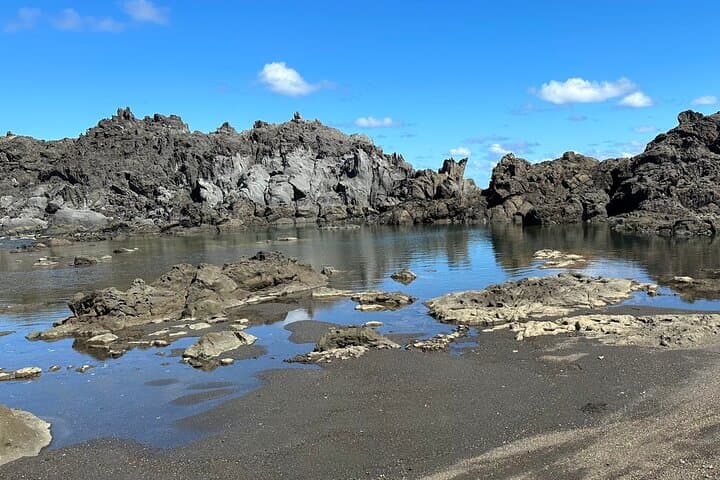
Scenic location where the Kem River meets the White Sea.
Gateway to the rugged landscapes of the Russian North.
Limited high-end dining and hotel options within the town.
The town is primarily a transit hub for island-bound tourists.
Accessibility is best via the Murmansk-bound train line.
Most travelers use Kem’ as a transit point for the Solovetsky Islands; ferries depart from nearby Rabocheostrovsk.
Visit the 18th-century Assumption Cathedral, a masterpiece of Russian wooden architecture located in the town center.
Transit to the Solovetsky Islands and exploring Northern Russian history.
RUB ₽
$30-$60 p/day
Russian
Even in summer, temperatures can be cool and the wind from the White Sea is biting; bring layers.
June-August
Late spring is a time of melting ice; ferry services to the islands usually do not begin until late May.
The peak travel season with white nights and the most reliable weather for White Sea crossings.
September offers beautiful autumn colors, but the weather turns cold and ferry services become less frequent.
Harsh subarctic conditions with very short daylight hours; the White Sea is typically frozen.