Bilingual Signs
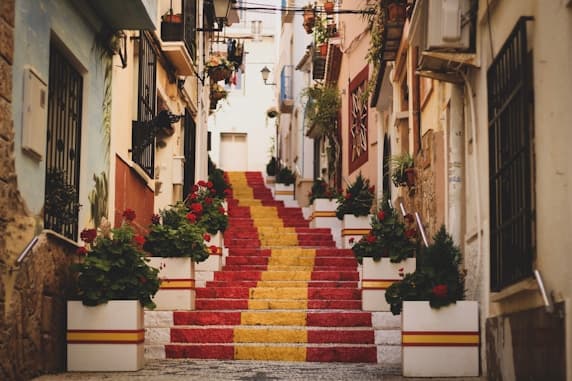
Notice the bilingual street signs and menus, reflecting the town's diverse Serbian and Hungarian population.
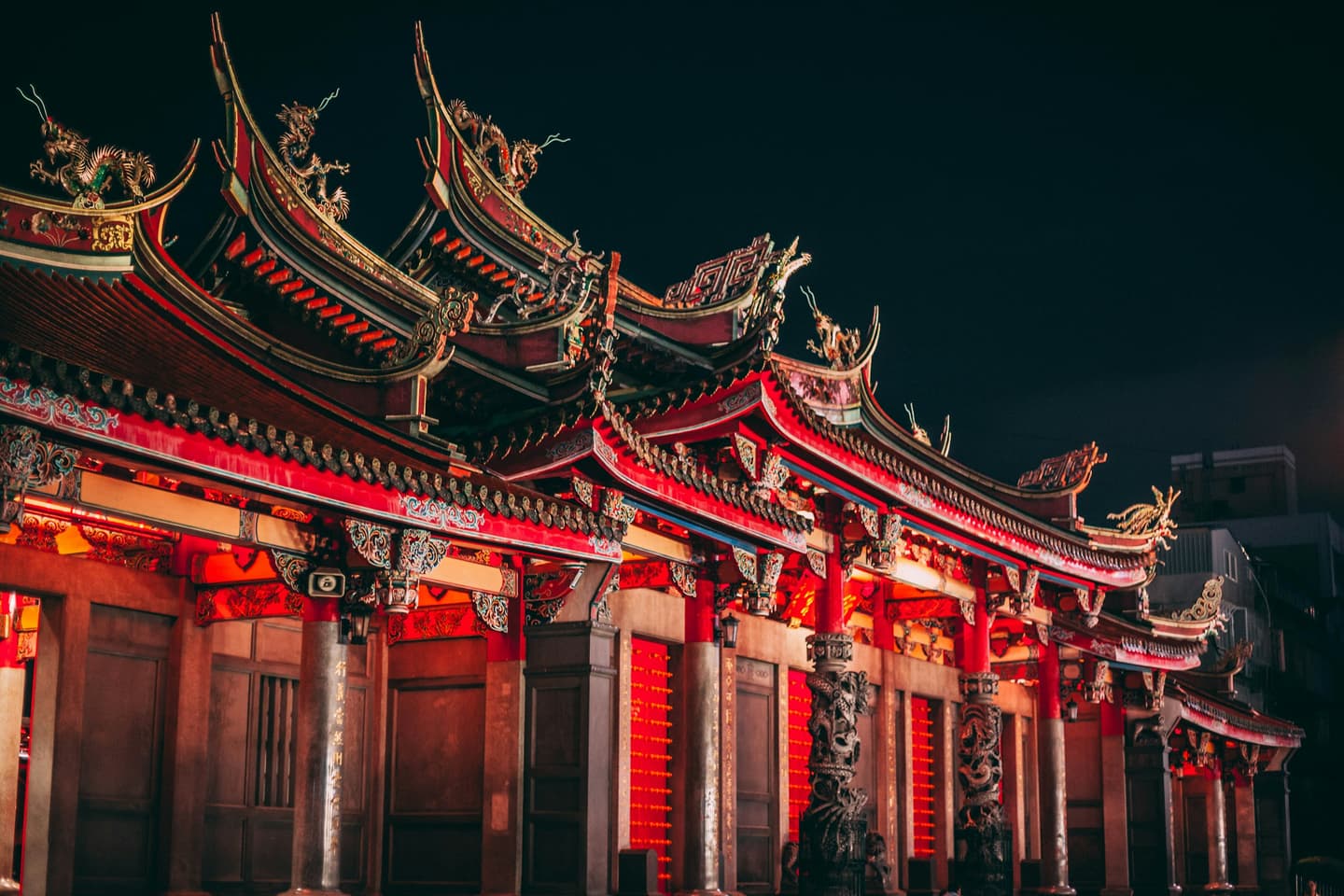
Nestled in the northern part of the Vojvodina province, Kanjiža is a tranquil town that serves as a cultural crossroads between Serbia and Hungary. With its roots deeply embedded in the Pannonian Plain, the town is characterized by its slow pace of life and charming architecture. The presence of the Tisa River provides a natural focal point for the community, offering picturesque spots for walking and reflection. Kanjiža is particularly notable for its bilingual heritage, where Serbian and Hungarian traditions coexist in everything from the local language to the regional cuisine. Whether you are visiting for its renowned wellness facilities or simply to enjoy the quiet atmosphere of a border town, Kanjiža provides an authentic and welcoming glimpse into the multicultural heart of northern Serbia.
Nestled in the northern part of the Vojvodina province, Kanjiža is a tranquil town that serves as a cultural crossroads between Serbia and Hungary. With its roots deeply embedded in the Pannonian Plain, the town is characterized by its slow pace of life and charming architecture. The presence of the Tisa River provides a natural focal point for the community, offering picturesque spots for walking and reflection. Kanjiža is particularly notable for its bilingual heritage, where Serbian and Hungarian traditions coexist in everything from the local language to the regional cuisine. Whether you are visiting for its renowned wellness facilities or simply to enjoy the quiet atmosphere of a border town, Kanjiža provides an authentic and welcoming glimpse into the multicultural heart of northern Serbia.
Unique blend of Serbian and Hungarian cultural traditions.
Scenic walks along the banks of the Tisa River.
Quiet, historic streets with Austro-Hungarian architectural influences.
Authentic regional cuisine featuring Pannonian specialties.
Peaceful atmosphere ideal for relaxation and slow travel.
The town is very quiet, making it better for relaxation than for those seeking nightlife.
Proximity to the Hungarian border makes it a convenient stop for cross-border travelers.
English may be less common than Serbian or Hungarian, but locals are generally very welcoming.
Notice the bilingual street signs and menus, reflecting the town's diverse Serbian and Hungarian population.
Spend time at the Tisa riverbank, which is the heart of local leisure and perfect for sunset views.
A quiet escape and experiencing the unique blend of Serbian and Hungarian cultures.
RSD din.
$40-$70 p/day
Serbian, Hungarian, English
Visit the local markets to find fresh produce and traditional crafts from the Vojvodina region.
May-September
A beautiful time to see the Pannonian landscape bloom and enjoy mild walking weather.
The warmest season, ideal for river-side relaxation, though midday heat can be intense.
The harvest season brings local food festivals and pleasant, crisp air to the region.
Quiet and often snowy, perfect for enjoying hearty local stews in cozy traditional restaurants.


