Getting Around
Novi Sad is well-connected by public transport, including buses and trains, making it easy to explore.
Novi Sad, situated in the Pannonian Plain on the Danube River, is Serbia's second largest city and a cultural beacon often referred to as the 'Serbian Athens'. Founded in 1694, it has evolved into a significant trading and cultural center. Despite being heavily damaged in the 1848 Revolution, the city was rebuilt and today thrives as an industrial and financial hub. Recognized as the European Youth Capital in 2019 and a European Capital of Culture in 2022, Novi Sad continues to attract visitors with its vibrant arts scene and historical landmarks. The city was also designated a UNESCO Creative City of Media Arts in 2023, highlighting its dynamic blend of tradition and innovation.
Novi Sad, situated in the Pannonian Plain on the Danube River, is Serbia's second largest city and a cultural beacon often referred to as the 'Serbian Athens'. Founded in 1694, it has evolved into a significant trading and cultural center. Despite being heavily damaged in the 1848 Revolution, the city was rebuilt and today thrives as an industrial and financial hub. Recognized as the European Youth Capital in 2019 and a European Capital of Culture in 2022, Novi Sad continues to attract visitors with its vibrant arts scene and historical landmarks. The city was also designated a UNESCO Creative City of Media Arts in 2023, highlighting its dynamic blend of tradition and innovation.
Located along the Danube River.
Known as the 'Serbian Athens'.
Rich cultural and historical heritage.
European Capital of Culture in 2022.
UNESCO Creative City of Media Arts.
Rich cultural heritage with several museums and historical sites.
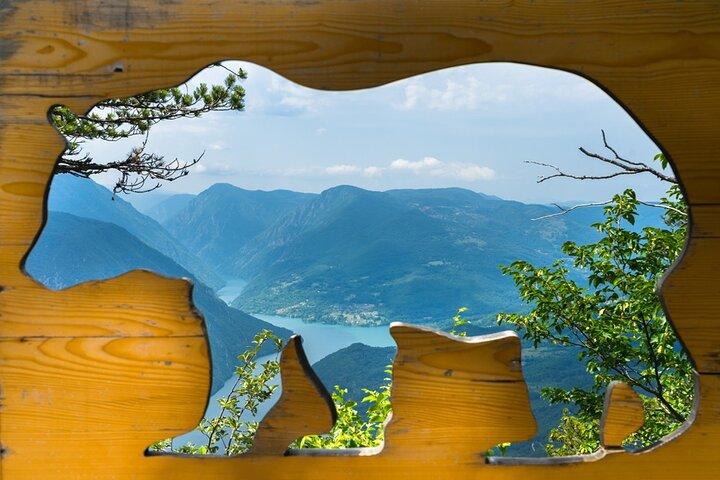
Beautiful natural surroundings with walking trails and picnic spots.
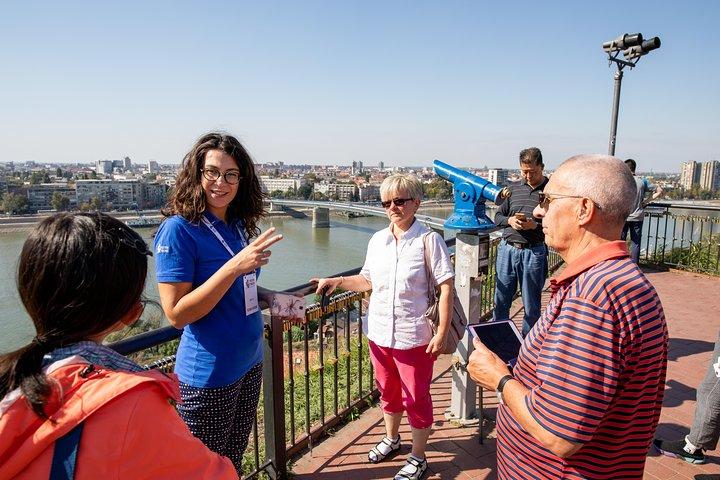
Close access to the Danube River, ideal for boat tours and scenic views.
Novi Sad is well-connected by public transport, including buses and trains, making it easy to explore.
Try local Serbian dishes such as ćevapi and pljeskavica at traditional restaurants.
Cultural exploration and historical sightseeing.
RSD РСД
$50-$100 p/day
Serbian, English
Check the calendar for festivals and events, as Novi Sad hosts numerous cultural happenings throughout the year.
Novi Sad is generally safe, but it's always wise to stay aware of your surroundings, especially in crowded areas.
April-JuneSeptember-October
Spring in Novi Sad is mild and pleasant, perfect for exploring the city's parks and outdoor attractions.
Summers are warm and lively with numerous festivals and cultural events.
Fall offers cooler temperatures and fewer tourists, ideal for a more relaxed visit.
Winters are cold but offer a unique charm with festive decorations and indoor cultural events.