Getting Around
Spain has an extensive public transportation system, including high-speed trains connecting major cities.
Spain, officially the Kingdom of Spain, is a country in Southern and Western Europe with territories in North Africa. Known for its rich cultural heritage and diverse landscapes, it spans the Iberian Peninsula and includes the Canary and Balearic Islands. Spain's history is marked by Roman, Visigothic, and Islamic influences, culminating in the Reconquista and the establishment of a global empire during the Age of Discovery. Today, Spain is a cultural superpower with vibrant cities like Madrid and Barcelona, famous for their art, architecture, and cuisine. As the world's second-most visited country, it offers a wealth of experiences from historical sites to modern attractions.
Spain, officially the Kingdom of Spain, is a country in Southern and Western Europe with territories in North Africa. Known for its rich cultural heritage and diverse landscapes, it spans the Iberian Peninsula and includes the Canary and Balearic Islands. Spain's history is marked by Roman, Visigothic, and Islamic influences, culminating in the Reconquista and the establishment of a global empire during the Age of Discovery. Today, Spain is a cultural superpower with vibrant cities like Madrid and Barcelona, famous for their art, architecture, and cuisine. As the world's second-most visited country, it offers a wealth of experiences from historical sites to modern attractions.
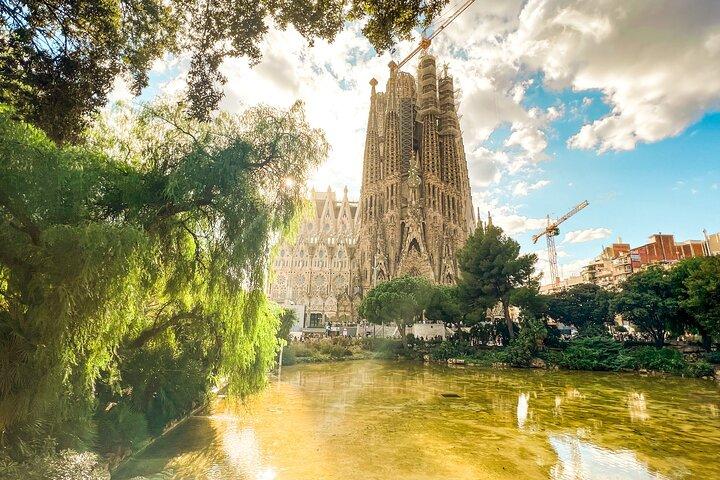
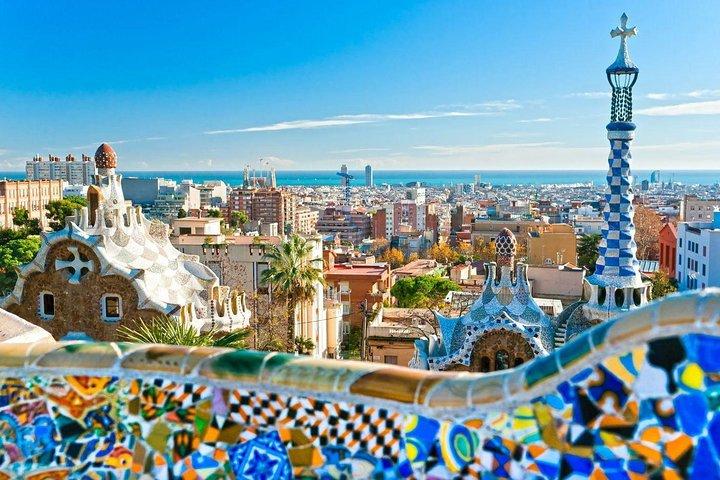
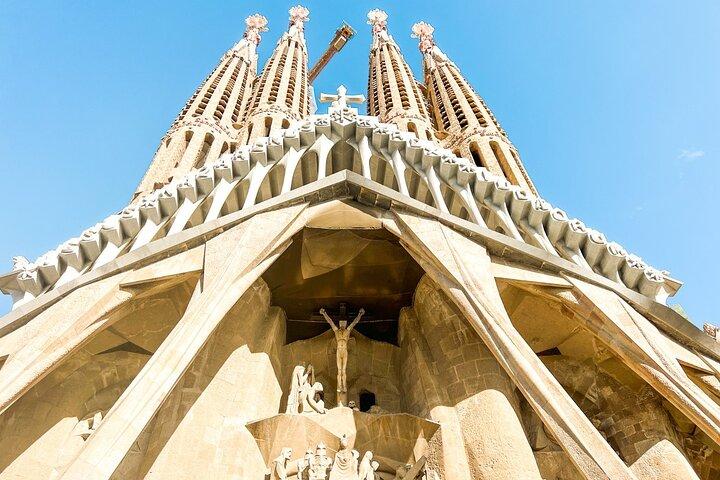
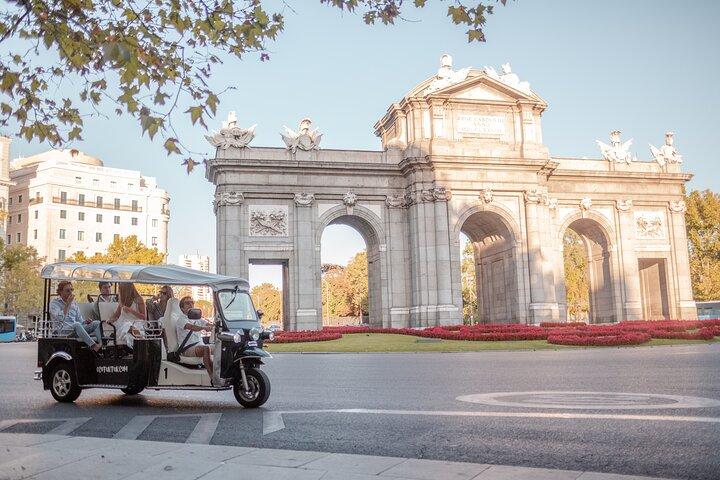
Home to vibrant cities like Madrid and Barcelona.
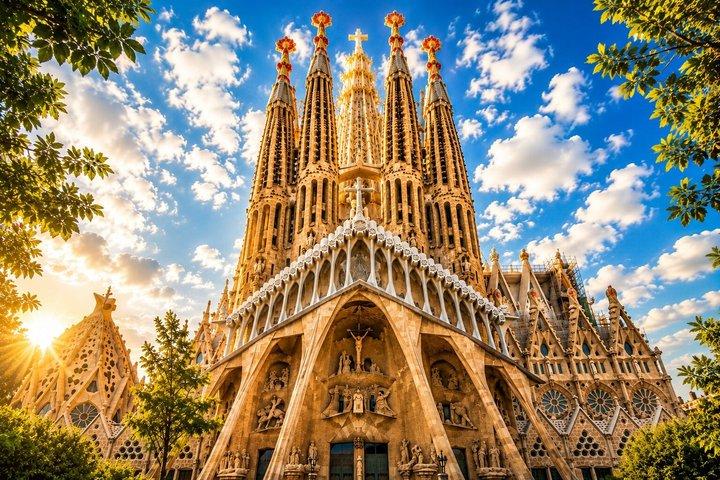
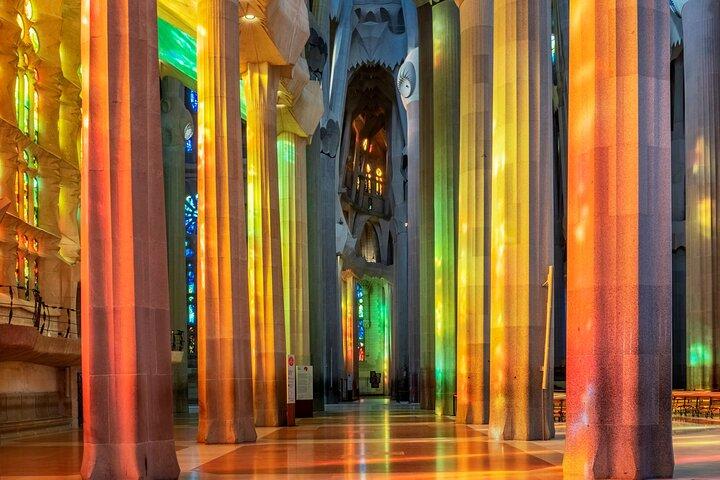
Hosts numerous World Heritage Sites.
Rich history from Roman to modern times.
Diverse landscapes including beaches and mountains.
Famous for its cuisine, including tapas and paella.
Rich cultural heritage with historical sites and museums.
Diverse landscapes from beaches to mountains.
Vibrant nightlife and festivals throughout the year.
Spain has an extensive public transportation system, including high-speed trains connecting major cities.
Don't miss trying traditional dishes like paella, tapas, and churros.
Cultural exploration and historical sightseeing.
EUR €
$100-$200 p/day
Spanish, Catalan, English
Spaniards typically eat dinner late, around 9-10 PM.
Spain is generally safe, but be cautious of pickpocketing in crowded areas.
While Spanish is the official language, English is widely understood in tourist areas.
April-JuneSeptember-November
Spring is ideal for visiting Spain with mild temperatures and blooming landscapes.
Summers are hot and busy, perfect for beachgoers and festival lovers.
Fall offers pleasant weather and fewer tourists, ideal for exploring cities.
Winters are mild, making it a good time for cultural visits and skiing in the mountains.