Historical Context
Learn about the Roman conquest and the development of Romano-British culture.

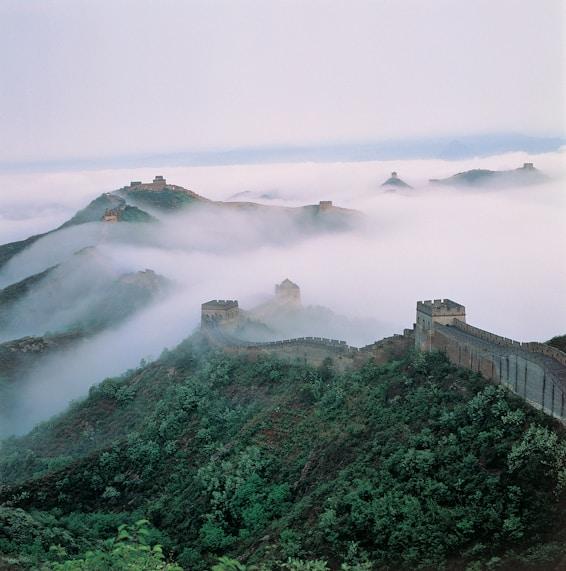

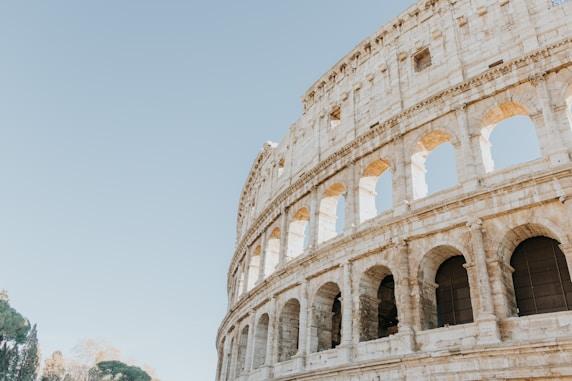

Britannia, the Roman province established after the conquest of Britain in AD 43, is a treasure trove for history enthusiasts. Known for its Roman architecture, including Hadrian's Wall and the Antonine Wall, Britannia showcases the unique Romano-British culture that flourished during the Roman occupation. Visitors can explore the remnants of Roman urban planning, industrial production, and architecture, which have been preserved through archaeological efforts. The region is steeped in history, making it an ideal destination for those interested in ancient history and Roman heritage.
Britannia, the Roman province established after the conquest of Britain in AD 43, is a treasure trove for history enthusiasts. Known for its Roman architecture, including Hadrian's Wall and the Antonine Wall, Britannia showcases the unique Romano-British culture that flourished during the Roman occupation. Visitors can explore the remnants of Roman urban planning, industrial production, and architecture, which have been preserved through archaeological efforts. The region is steeped in history, making it an ideal destination for those interested in ancient history and Roman heritage.
Roman conquest starting in AD 43.
Distinctive Romano-British culture.
Hadrian’s Wall and Antonine Wall.
Roman architecture and urban planning.
Significant archaeological findings.
Rich archaeological sites with Roman ruins.
Influence of Roman culture on British history.
Significant historical landmarks and walls.
Learn about the Roman conquest and the development of Romano-British culture.
Visit key sites like Hadrian's Wall for a glimpse into Roman military architecture.
History buffs and cultural explorers.
GBP £
$80-$150 p/day
English
Explore museums and exhibits that showcase artifacts from the Roman era in Britain.
Cultural Exploration, Historical Tourism, Educational Trips
April-JuneSeptember-November
Spring is ideal for exploring outdoor Roman sites with mild weather.
Summer offers longer days for visiting historical landmarks.
Fall provides a quieter experience with fewer tourists at key sites.
Winter is perfect for indoor museum visits to learn about Roman Britain.