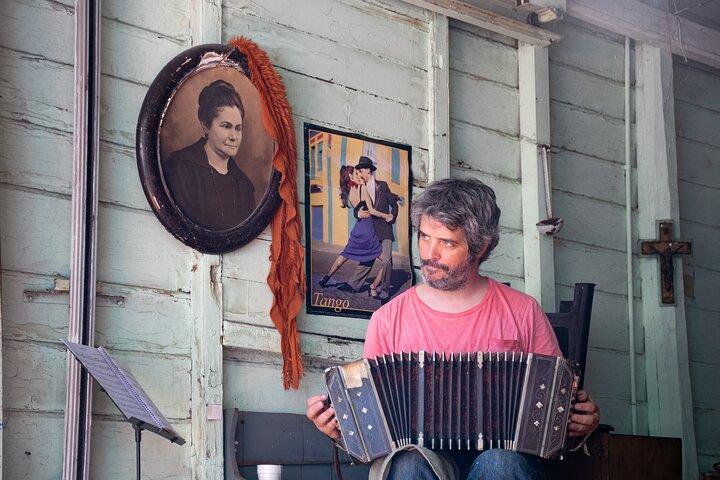


Indigenous Culture
Visit the nearby Boruca village to learn about their traditional mask-making and the 'Baile de los Diablitos' festival.
Located in the heart of the General Valley in Puntarenas, Buenos Aires is a significant hub for the southern region of Costa Rica. While it remains largely off the main tourist circuit, it provides an essential link to the Boruca and Ujarrás indigenous territories, famous for their traditional crafts and the annual 'Baile de los Diablitos' festival. The town itself offers a slow pace of life, surrounded by vast pineapple plantations and the dramatic backdrop of the Talamanca mountain range. Visitors often use it as a base for exploring the rugged natural beauty of the south or learning about the country's pre-Columbian heritage through local community visits.
Located in the heart of the General Valley in Puntarenas, Buenos Aires is a significant hub for the southern region of Costa Rica. While it remains largely off the main tourist circuit, it provides an essential link to the Boruca and Ujarrás indigenous territories, famous for their traditional crafts and the annual 'Baile de los Diablitos' festival. The town itself offers a slow pace of life, surrounded by vast pineapple plantations and the dramatic backdrop of the Talamanca mountain range. Visitors often use it as a base for exploring the rugged natural beauty of the south or learning about the country's pre-Columbian heritage through local community visits.
Proximity to the Boruca and Ujarrás indigenous territories.
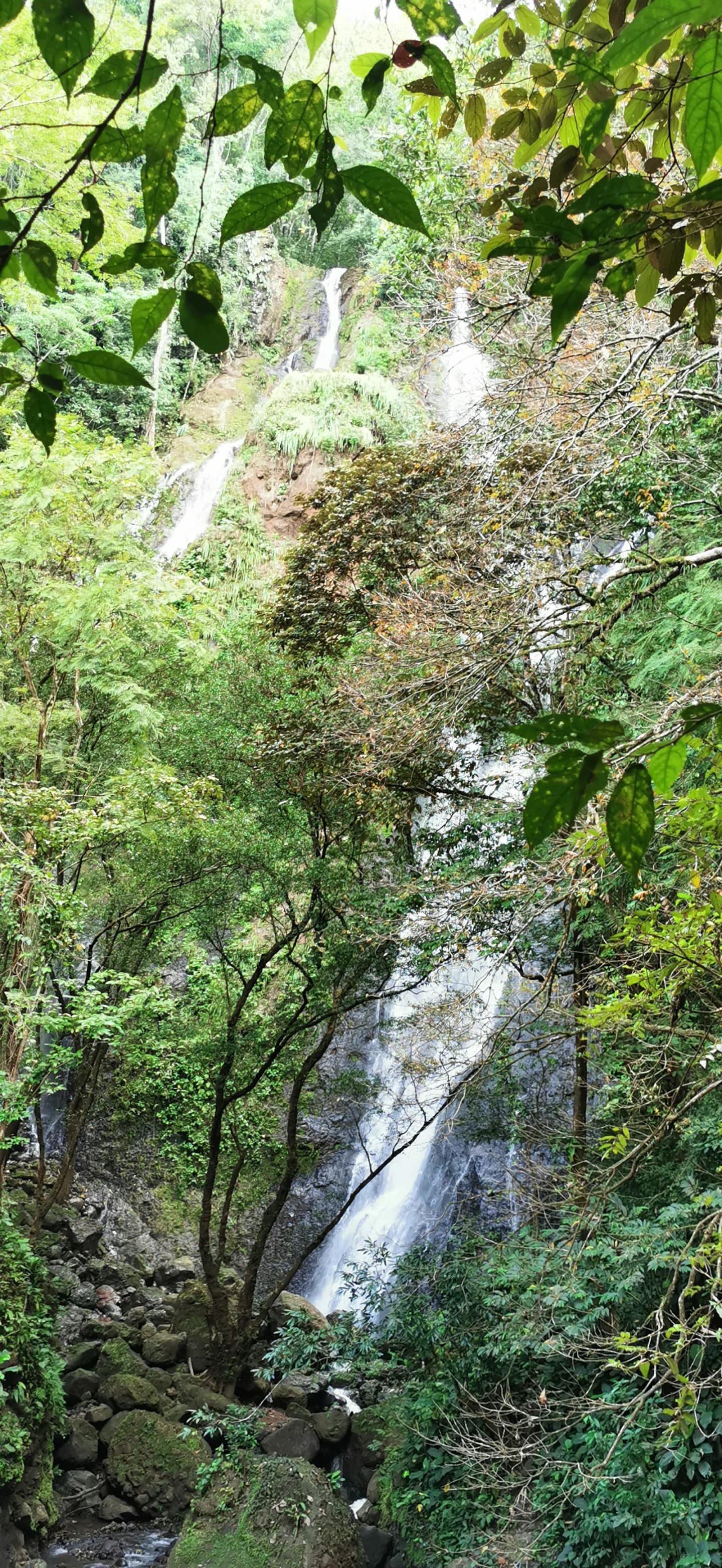
Gateway to the rugged Talamanca mountain range.
Authentic rural atmosphere away from major tourist hubs.
Scenic views of the surrounding General Valley.
Serves as a primary access point for the Boruca and Ujarrás indigenous territories.
The region is a major center for pineapple production, shaping much of the local landscape.
Limited tourist infrastructure compared to coastal towns, offering a more rugged and genuine experience.
Visit the nearby Boruca village to learn about their traditional mask-making and the 'Baile de los Diablitos' festival.
A 4x4 vehicle is highly recommended for navigating the unpaved roads leading into the surrounding mountains and territories.
Cultural immersion and exploring the southern highlands.
CRC ₡
$50-$90 p/day
Spanish, English
Stop by the local 'sodas' for a traditional casado, which offers a hearty and affordable taste of regional Costa Rican cuisine.
December-April
Late dry season offers the easiest access to remote mountain trails and indigenous communities.
The start of the green season makes the valley incredibly lush, though afternoon rain becomes more frequent.
The wettest months can make rural roads challenging; plan for indoor activities or early morning excursions.
The peak dry season from December to February is the most popular time for visiting and attending local cultural festivals.