Getting Around
Walking is the best way to explore Suchitoto's charming streets and colonial architecture.

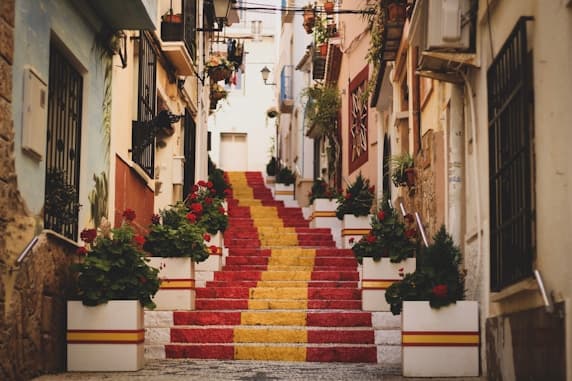
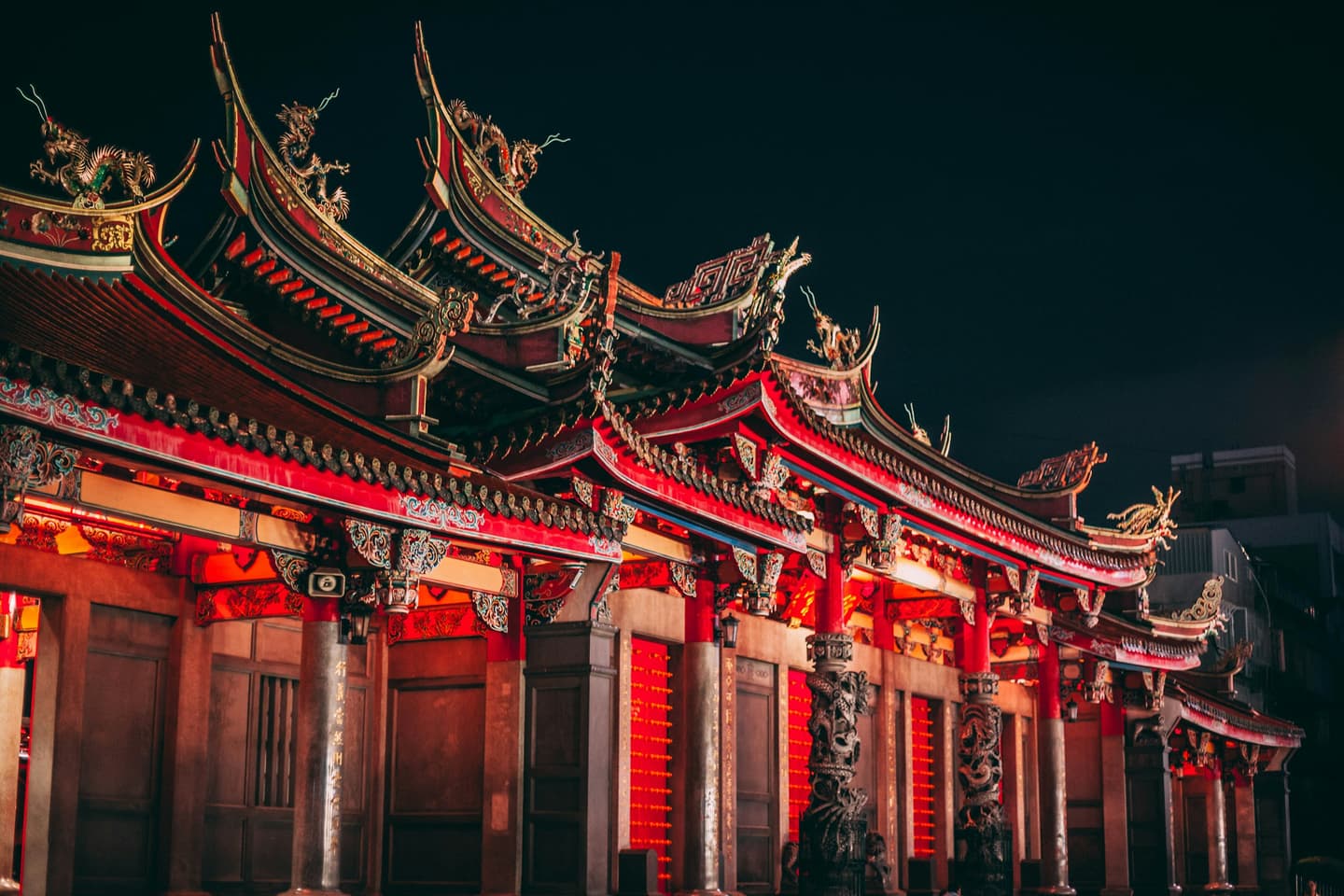
Suchitoto, located in the Cuscatlán Department of El Salvador, is a city renowned for its well-preserved colonial architecture and rich cultural heritage. Visitors can explore its cobblestone streets, admire the beautiful churches, and enjoy the lively arts scene that includes galleries and festivals. The city also offers breathtaking views of Lake Suchitlán, making it a perfect destination for those interested in history, art, and natural beauty.
Suchitoto, located in the Cuscatlán Department of El Salvador, is a city renowned for its well-preserved colonial architecture and rich cultural heritage. Visitors can explore its cobblestone streets, admire the beautiful churches, and enjoy the lively arts scene that includes galleries and festivals. The city also offers breathtaking views of Lake Suchitlán, making it a perfect destination for those interested in history, art, and natural beauty.
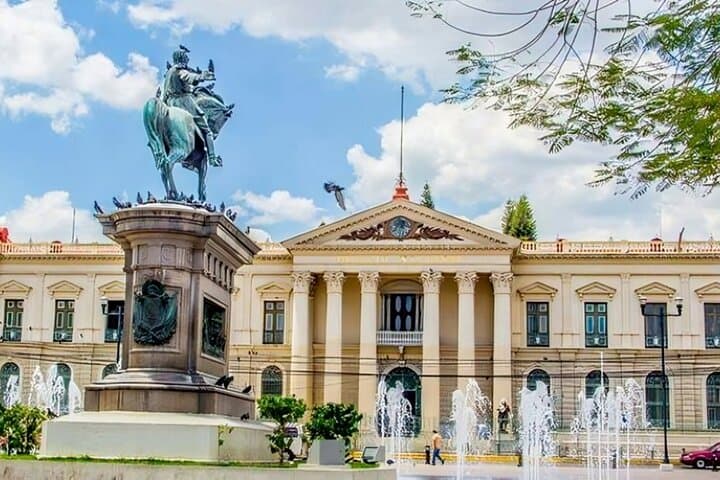
Stunning colonial architecture.
Rich cultural and artistic heritage.
Scenic views of Lake Suchitlán.
Beautiful colonial architecture throughout the city.
A vibrant cultural scene with frequent festivals.
Scenic views of Lake Suchitlán.
Walking is the best way to explore Suchitoto's charming streets and colonial architecture.
Try the local pupusas, a traditional Salvadoran dish that is a must-try in Suchitoto.
History enthusiasts and art lovers.
USD $
$50-$100 p/day
Spanish, English
Check out the local arts festivals and events that frequently take place in the city.
Bring your camera to capture the stunning views of Lake Suchitlán and the colonial buildings.
Cultural Exploration, Historical Tour, Art Lovers
November-FebruaryMarch-May
Spring is a great time to visit Suchitoto with pleasant weather and fewer tourists.
Summers can be hot, but the vibrant festivals make it a lively time to visit.
Fall offers mild weather, perfect for exploring the city's historical sites.
Winter is cooler and a great time to enjoy the cultural events without the crowds.