Historical Exploration
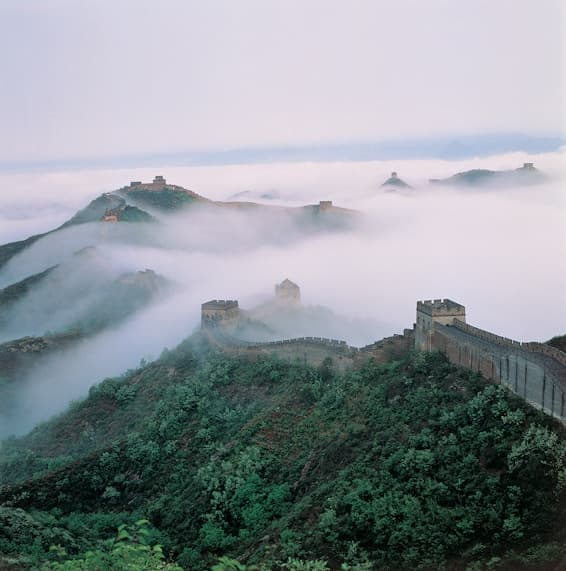
Visit the various forts located on the hills surrounding the city to understand its strategic revolutionary past.
Located in the Artibonite region of Haiti, Dessalines—also known as Marchand-Dessalines—is a city of profound national importance. With a population of around 12,000, it functions as a vital regional center steeped in the history of the Haitian Revolution. The city was named in honor of Jean-Jacques Dessalines, the leader who declared Haiti's independence, and it once served as the nation's first capital. Visitors to the area can explore the surrounding hillside fortifications and experience the daily life of a community that remains deeply connected to its revolutionary identity. Its position within the Artibonite department offers a unique perspective on the country's agricultural heartland and historical landscape.
Located in the Artibonite region of Haiti, Dessalines—also known as Marchand-Dessalines—is a city of profound national importance. With a population of around 12,000, it functions as a vital regional center steeped in the history of the Haitian Revolution. The city was named in honor of Jean-Jacques Dessalines, the leader who declared Haiti's independence, and it once served as the nation's first capital. Visitors to the area can explore the surrounding hillside fortifications and experience the daily life of a community that remains deeply connected to its revolutionary identity. Its position within the Artibonite department offers a unique perspective on the country's agricultural heartland and historical landscape.
Deep historical significance as a key site of the Haitian Revolution.
Named after Jean-Jacques Dessalines, the founding father of Haiti.
Located in the fertile and scenic Artibonite department.
Home to several historic fortifications in the surrounding hills.
The city is a modest regional hub with limited tourist-specific infrastructure.
Exploring the historic forts requires some uphill walking and physical activity.
The area is deeply significant to Haitian national pride and history.
Visit the various forts located on the hills surrounding the city to understand its strategic revolutionary past.
Be aware that the city is frequently referred to as Marchand-Dessalines by locals and on regional transport.
History enthusiasts and travelers seeking an authentic Haitian cultural experience.
HTG G
$40-$70 p/day
Haitian Creole, French
Expect to use local 'tap-taps' or motorbikes to navigate between the city center and nearby historical sites.
December-February
Warm and humid; a good time for sightseeing before the peak summer temperatures.
Very hot; ensure you stay hydrated if you plan on hiking to the hillside fortifications.
The region may experience increased rainfall; check local weather for mountain path conditions.
The most comfortable time to visit with drier weather and milder temperatures.