

Transport
The city is well-connected by bus routes to major nearby hubs like La Ceiba and Tocoa.
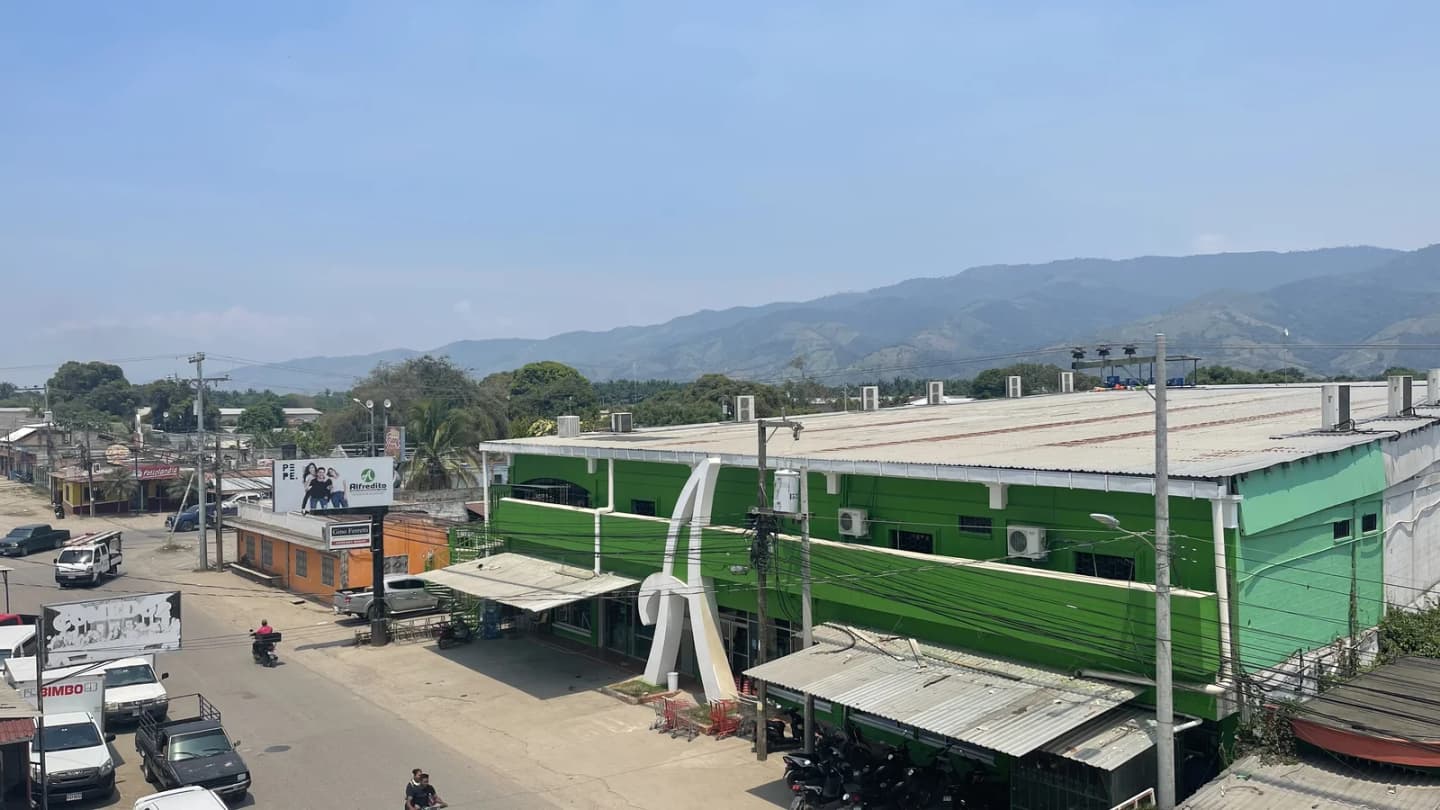
Sabá is a strategically located city in the Colón Department of Honduras, serving as a vital link between the Caribbean coast and the country's interior. Nestled within the productive Aguán River valley, the town is defined by its agricultural importance, particularly in the production of African palm and bananas. While not a traditional tourist destination, it provides a genuine slice of Honduran daily life, characterized by bustling markets and a hardworking community. Visitors can use Sabá as a base to explore the surrounding natural beauty of the Colón region or to observe the large-scale agricultural operations that drive the local economy.
Sabá is a strategically located city in the Colón Department of Honduras, serving as a vital link between the Caribbean coast and the country's interior. Nestled within the productive Aguán River valley, the town is defined by its agricultural importance, particularly in the production of African palm and bananas. While not a traditional tourist destination, it provides a genuine slice of Honduran daily life, characterized by bustling markets and a hardworking community. Visitors can use Sabá as a base to explore the surrounding natural beauty of the Colón region or to observe the large-scale agricultural operations that drive the local economy.
Strategic gateway to the fertile Aguán River valley.
Central hub for regional agricultural trade and commerce.
Authentic atmosphere of a growing Honduran municipality.
Proximity to the scenic mountain ranges of the Colón region.
Limited tourist-oriented infrastructure compared to coastal destinations.
The city is primarily a commercial and agricultural center rather than a resort.
Spanish is the primary language spoken; English is less common than on the Bay Islands.
The tropical climate can be very intense during the peak of summer.
The city is well-connected by bus routes to major nearby hubs like La Ceiba and Tocoa.
Don't miss the local baleadas and fresh tropical fruits available at street-side stalls.
Travelers seeking an authentic, non-touristy Honduran experience.
HNL L
$30-$60 p/day
Spanish
As with any regional commercial hub, keep an eye on your belongings in crowded market areas.
Prepare for hot and humid weather, which is typical of the Honduran lowlands year-round.
December-April
Hot and dry weather makes this a good time for transit before the rainy season begins.
Expect high temperatures and occasional heavy tropical showers.
This is the peak of the rainy season; be prepared for potential travel delays due to weather.
The most pleasant time to visit, featuring slightly cooler temperatures and less rainfall.