Whale Watching
Book tours in advance during the peak months of January to March to see the gray whales up close.


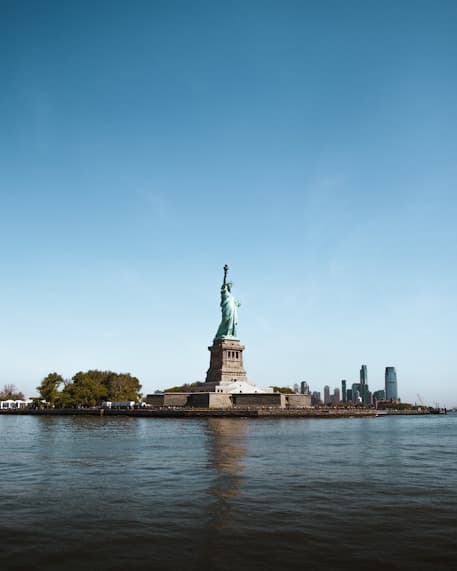


Guerrero Negro is situated on the edge of the Pacific Ocean in the northern part of Baja California Sur. The town is defined by its industrial heritage as the site of one of the world's largest salt mines, which offers fascinating tours of its vast evaporation ponds. However, its most famous draw is the annual migration of gray whales to the nearby Ojo de Liebre Lagoon. Between December and April, visitors flock here to witness these gentle giants in their natural calving grounds. The surrounding Vizcaíno Biosphere Reserve offers a starkly beautiful desert landscape, making it a must-visit for nature enthusiasts and road-trippers alike.
Guerrero Negro is situated on the edge of the Pacific Ocean in the northern part of Baja California Sur. The town is defined by its industrial heritage as the site of one of the world's largest salt mines, which offers fascinating tours of its vast evaporation ponds. However, its most famous draw is the annual migration of gray whales to the nearby Ojo de Liebre Lagoon. Between December and April, visitors flock here to witness these gentle giants in their natural calving grounds. The surrounding Vizcaíno Biosphere Reserve offers a starkly beautiful desert landscape, making it a must-visit for nature enthusiasts and road-trippers alike.
Gateway to the Ojo de Liebre Lagoon for gray whale watching.
Home to one of the world's largest salt production facilities.
Unique desert-coastal ecosystem with diverse birdlife.
Strategic stopover on the Transpeninsular Highway.
Remote location with limited luxury amenities compared to southern Baja.
Strong winds and desert temperatures can fluctuate significantly between day and night.
Essential stop for fuel and supplies when driving the long stretches of the Transpeninsular Highway.
Book tours in advance during the peak months of January to March to see the gray whales up close.
Visit the world's largest salt evaporation plant, but check for tour availability as they are often restricted to guided groups.
Gray whale watching and industrial salt mine tours.
MXN $
$60-$120 p/day
Spanish, English
The surrounding wetlands and salt flats are excellent for spotting migratory birds and ospreys.
January-March
The best time for whale watching, as mothers and calves are most active in the lagoons.
Hot and dry; fewer tourists but can be quite intense for outdoor activities.
Pleasant temperatures return, good for bird watching and exploring the salt flats.
Cooler weather and the start of the whale migration season in late December.