Getting Around
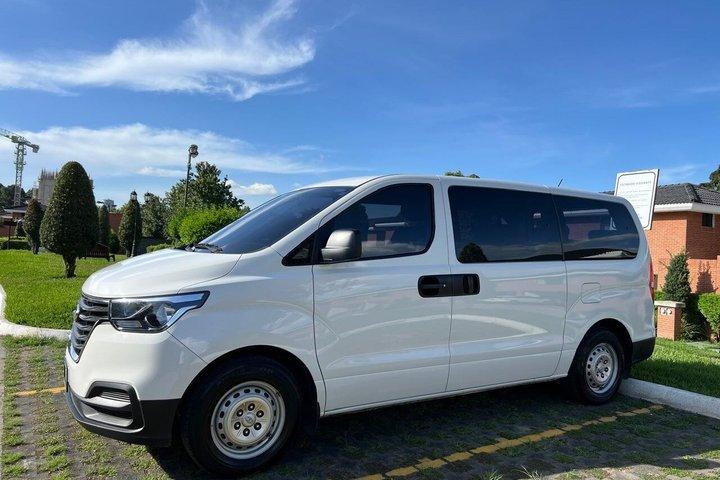
Managua has a network of public buses and taxis, but renting a car can offer more flexibility.
Managua, the capital and largest city of Nicaragua, is a dynamic urban center located on the shores of Lake Managua. Founded in 1819, it became the national capital in 1852 and has since developed into one of Central America's most significant cities. Despite being affected by several major earthquakes, including those in 1931 and 1972, Managua has been resiliently rebuilt multiple times. Today, it stands as a major economic hub, offering a rich tapestry of Nicaraguan culture and history, with numerous cultural and historical landmarks to explore.
Managua, the capital and largest city of Nicaragua, is a dynamic urban center located on the shores of Lake Managua. Founded in 1819, it became the national capital in 1852 and has since developed into one of Central America's most significant cities. Despite being affected by several major earthquakes, including those in 1931 and 1972, Managua has been resiliently rebuilt multiple times. Today, it stands as a major economic hub, offering a rich tapestry of Nicaraguan culture and history, with numerous cultural and historical landmarks to explore.
Capital city with a rich history.
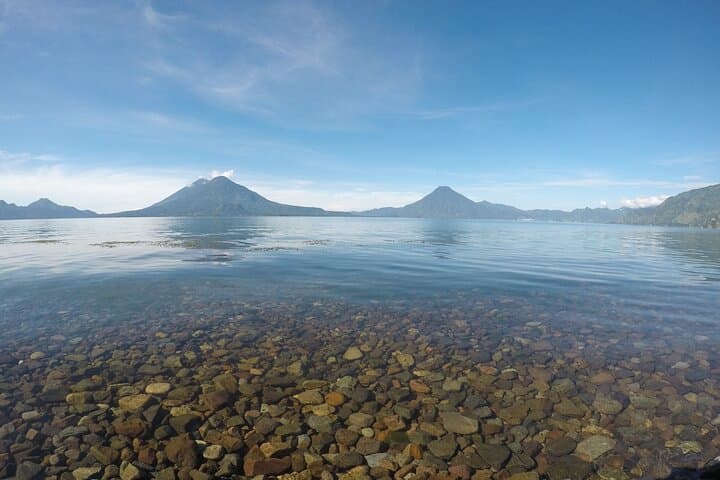
Located on the shores of Lake Managua.
Major economic hub in Central America.
Home to cultural and historical landmarks.
Rebuilt multiple times after earthquakes.
Close access to Lake Managua, ideal for scenic views and water activities.
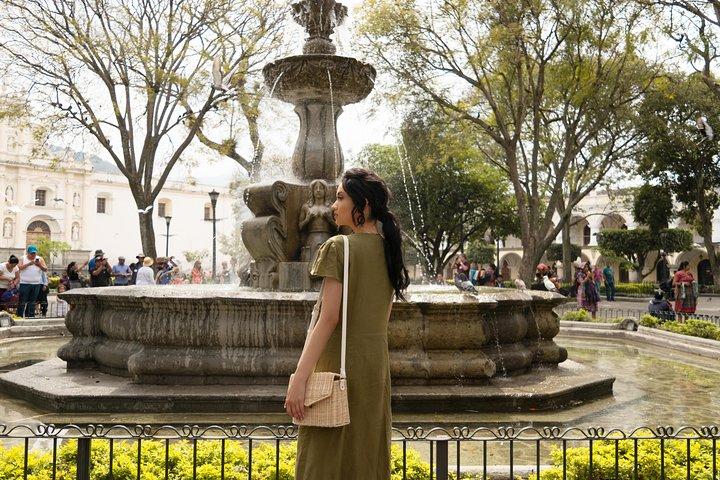
Rich cultural heritage with several museums and historical sites.
Frequent earthquakes have shaped the city's architecture and layout.
Managua has a network of public buses and taxis, but renting a car can offer more flexibility.
Try local specialties such as 'gallo pinto' and 'quesillo' at street food stalls.
Exploring Nicaraguan culture and history.
NIO C$
$50-$100 p/day
Spanish
Stay alert in crowded areas and avoid displaying valuables to minimize the risk of pickpocketing.
The dry season from November to April is the best time to visit, with less rain and pleasant temperatures.
November-April
Spring in Managua is warm and pleasant, making it a great time for outdoor activities.
Summers are hot and humid, with occasional rain, but the city remains lively.
Fall offers cooler temperatures and fewer tourists, ideal for exploring the city.
Winter is dry and comfortable, perfect for visiting historical sites and enjoying outdoor events.