Carnival Planning
If visiting during Carnival in February or March, book your accommodation at least six months in advance as the city reaches full capacity.
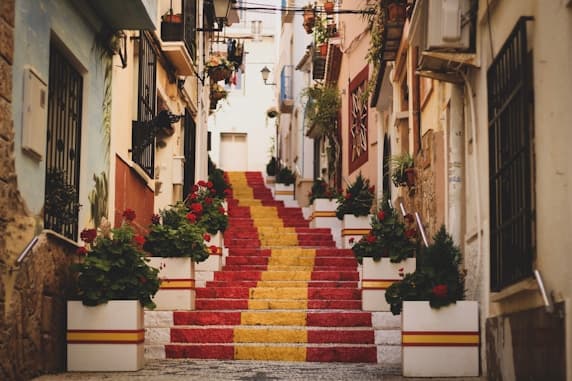

Located on the Azuero Peninsula, Las Tablas is celebrated as the guardian of Panamanian traditions. As the capital of Los Santos Province, it offers visitors a deep dive into the country's heritage, from the intricate hand-stitched Polleras to the rhythmic sounds of local folk music. The city is most alive during its legendary Carnival, where rival neighborhoods compete with elaborate floats and fireworks. Beyond the festivities, the town features a peaceful central plaza anchored by the historic Church of Santa Librada, offering a glimpse into the slow-paced, authentic lifestyle of rural Panama. It serves as an excellent base for exploring the surrounding province, known for its colonial architecture and coastal beauty.
Located on the Azuero Peninsula, Las Tablas is celebrated as the guardian of Panamanian traditions. As the capital of Los Santos Province, it offers visitors a deep dive into the country's heritage, from the intricate hand-stitched Polleras to the rhythmic sounds of local folk music. The city is most alive during its legendary Carnival, where rival neighborhoods compete with elaborate floats and fireworks. Beyond the festivities, the town features a peaceful central plaza anchored by the historic Church of Santa Librada, offering a glimpse into the slow-paced, authentic lifestyle of rural Panama. It serves as an excellent base for exploring the surrounding province, known for its colonial architecture and coastal beauty.
Home to Panama's most famous and competitive Carnival celebrations.
Renowned center for the creation of the Pollera, Panama's national dress.
Historic Church of Santa Librada located in the central plaza.
Gateway to the scenic landscapes and beaches of the Azuero Peninsula.
The town is very quiet and traditional during the off-season outside of major festivals.
The tropical climate is consistently hot and humid, so pack light, breathable clothing.
While Spanish is the primary language, basic English is often understood in hospitality settings.
If visiting during Carnival in February or March, book your accommodation at least six months in advance as the city reaches full capacity.
Visit local workshops to see how the Pollera, the intricate national dress, is meticulously handcrafted by local artisans.
Cultural immersion and experiencing traditional Panamanian festivals.
USD $
$50-$100 p/day
Spanish, English
Buses run regularly from Panama City's Albrook Terminal to Las Tablas, making it an easy four to five-hour journey.
January-April
The dry season from January to April is the peak time to visit, coinciding with the massive Carnival celebrations.
Expect lush green landscapes and occasional rain; this is a great time to see local agricultural life.
The wettest months occur now, but local cultural festivals like the Festival of the Pollera in July keep the spirit alive.
The start of the dry season in December brings pleasant breezes and festive holiday preparations across the province.