Historical Context
Understand the formation of Washington County as part of the District of Columbia's early political structure.
Washington County was established in 1801 as part of the District of Columbia, encompassing areas on the east side of the Potomac River. It included parts of what are now Washington, D.C. and Georgetown, formed from portions of Maryland. The county played a significant role in the early political organization of the nation's capital. In 1871, the District of Columbia Organic Act unified the separate governments within the district, ending Washington County's distinct identity.
Washington County was established in 1801 as part of the District of Columbia, encompassing areas on the east side of the Potomac River. It included parts of what are now Washington, D.C. and Georgetown, formed from portions of Maryland. The county played a significant role in the early political organization of the nation's capital. In 1871, the District of Columbia Organic Act unified the separate governments within the district, ending Washington County's distinct identity.
Originally part of the District of Columbia.
Included areas now known as Washington, D.C. and Georgetown.
Formed from parts of Maryland in 1801.
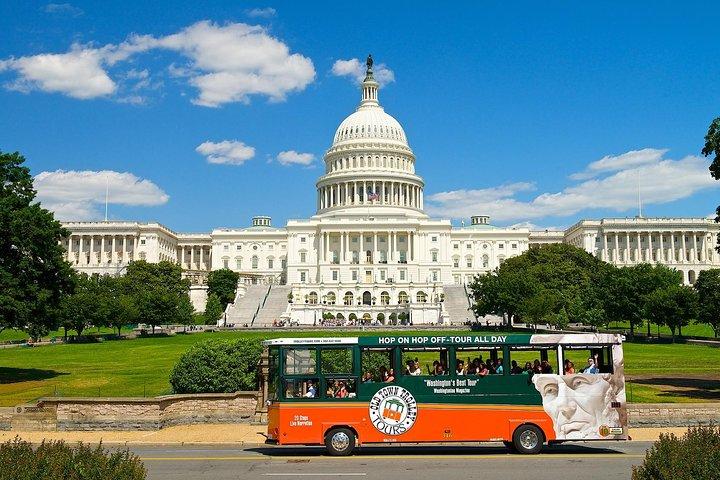
Close access to historical sites in Washington, D.C.
Rich history related to the formation of the U.S. capital.
Understand the formation of Washington County as part of the District of Columbia's early political structure.
Explore the areas that were once part of Washington County, now integrated into Washington, D.C. and Georgetown.
History enthusiasts and those interested in the origins of Washington, D.C.
USD $
$150-$250 p/day
English
April-JuneSeptember-November
Spring is ideal for exploring the historical sites in Washington, D.C. with pleasant weather.
Summers can be hot, but it's a vibrant time with many events and activities.
Fall offers cooler temperatures and is perfect for walking tours of historical areas.
Winters are mild, making it a good time to visit museums and indoor attractions.