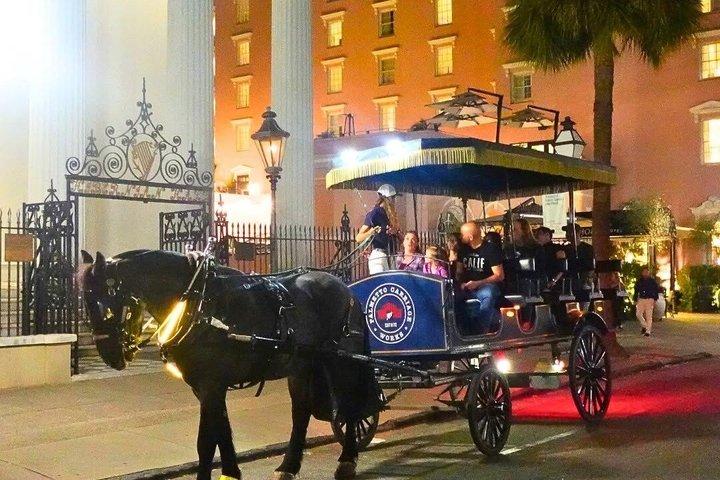
Getting Around
Charlestown is accessible via the Orange Line Sullivan Square or Community College stops, and the I-93 expressway.
Charlestown, the oldest neighborhood in Boston, Massachusetts, boasts a rich history dating back to its founding in 1629. Originally a separate town and the first capital of the Massachusetts Bay Colony, it became part of Boston in 1874. Known for its colonial architecture and historic sites, Charlestown has evolved into a diverse residential area with a mix of old-world charm and modern gentrification. Visitors can enjoy waterfront views of the Boston skyline and explore numerous historic landmarks, making it a must-visit for history enthusiasts and urban explorers.
Charlestown, the oldest neighborhood in Boston, Massachusetts, boasts a rich history dating back to its founding in 1629. Originally a separate town and the first capital of the Massachusetts Bay Colony, it became part of Boston in 1874. Known for its colonial architecture and historic sites, Charlestown has evolved into a diverse residential area with a mix of old-world charm and modern gentrification. Visitors can enjoy waterfront views of the Boston skyline and explore numerous historic landmarks, making it a must-visit for history enthusiasts and urban explorers.
Oldest neighborhood in Boston.
Rich colonial architecture.
Waterfront views of Boston skyline.
Historic sites and museums.
Diverse and evolving community.
Close access to the Charles River and Boston Harbor.
Rich colonial history with numerous historic sites.
Gentrified area with a mix of old and new.
Charlestown is accessible via the Orange Line Sullivan Square or Community College stops, and the I-93 expressway.
Explore the neighborhood's rich history by visiting its many historic sites and museums.
History buffs and urban explorers.
USD $
$150-$250 p/day
English
Enjoy stunning views of the Boston skyline from the waterfront areas in Charlestown.
April-June, September-November
Spring offers mild temperatures and is ideal for exploring Charlestown's historic sites.
Summers are warm and perfect for enjoying the waterfront views and outdoor activities.
Fall provides pleasant weather and a great time to explore the neighborhood's rich history.
Winters are cold, but it's a quieter time to visit museums and indoor attractions.