Historic Exploration
Walking through the downtown area is the best way to appreciate the unique 19th-century brickwork.
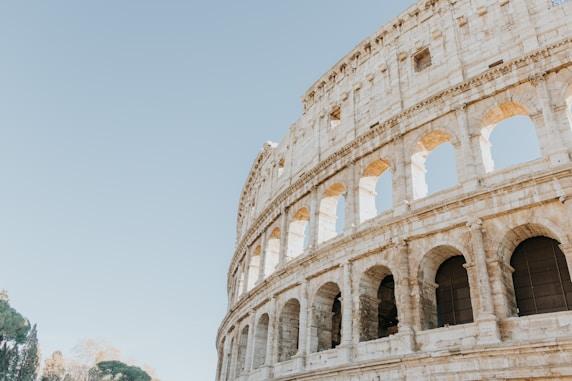
Rio Grande City serves as a vital historical anchor in the Rio Grande Valley of South Texas. Established in 1848, the city is renowned for its National Historic District, which features stunning examples of border brick architecture. Its position on the banks of the Rio Grande has historically made it a center for trade and culture, a legacy that continues today through its unique blend of American and Mexican traditions. Visitors can explore local landmarks like the La Borde House or enjoy the quiet, authentic atmosphere of a traditional border community. It is a compelling destination for those seeking to understand the deep-rooted history and evolving culture of the Texas frontier.
Rio Grande City serves as a vital historical anchor in the Rio Grande Valley of South Texas. Established in 1848, the city is renowned for its National Historic District, which features stunning examples of border brick architecture. Its position on the banks of the Rio Grande has historically made it a center for trade and culture, a legacy that continues today through its unique blend of American and Mexican traditions. Visitors can explore local landmarks like the La Borde House or enjoy the quiet, authentic atmosphere of a traditional border community. It is a compelling destination for those seeking to understand the deep-rooted history and evolving culture of the Texas frontier.
Well-preserved 19th-century brick architecture in the historic district.
Scenic location directly along the banks of the Rio Grande.
Rich cultural heritage reflecting the unique Texas-Mexico border identity.
Home to the historic La Borde House, a local landmark.
Gateway to exploring the diverse traditions of the Rio Grande Valley.
The city has a significant number of historical sites listed on the National Register.
Summer temperatures can be extreme, often exceeding 100 degrees Fahrenheit.
The local culture is deeply bilingual, with Spanish being widely spoken alongside English.
It is a smaller community, so some services may be more limited than in larger metropolitan areas.
Walking through the downtown area is the best way to appreciate the unique 19th-century brickwork.
Remember to carry proper identification if you plan to visit the nearby international bridge.
History enthusiasts and cultural explorers.
USD $
$80-$130 p/day
English, Spanish
The South Texas climate is often hot and arid; always carry water when exploring outdoors.
Check the local calendar for seasonal festivals that celebrate the region's binational heritage.
November-April
A great time for nature lovers to visit, as many local bird species are active.
Expect intense heat; it is best to focus on indoor attractions or early morning visits.
The weather cools down significantly, making it comfortable for walking tours of the historic district.
Very mild and pleasant, attracting many visitors from colder climates.