Self-Sufficiency
The park lacks public access roads and visitor facilities; you must be fully prepared with all necessary supplies, navigation tools, and survival gear.

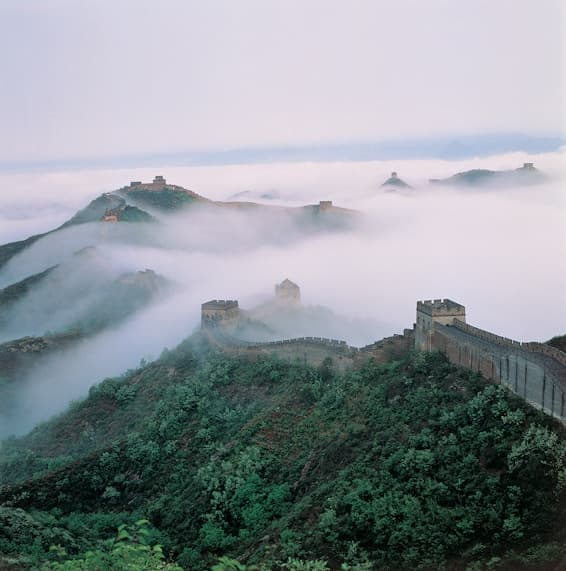



Mount Aberdeen National Park is a significant conservation area in North Queensland, divided into the Mount Aberdeen and Highlander's Bonnet sections. The park is defined by its striking granite geology, with elevations peaking at 901 meters, and is home to the region's only tropical cloud forest at its summit. The landscape is ecologically diverse, transitioning from hoop pine slopes to sheltered semi-evergreen vine thickets and a unique red gum-snow grass community found nowhere else in the state. Wildlife enthusiasts may encounter eastern grey kangaroos, common wallaroos, and the elusive northern quoll. Because the park lacks public access roads and visitor facilities, it remains a pristine, challenging environment suited only for those prepared for fully self-sufficient exploration.
Mount Aberdeen National Park is a significant conservation area in North Queensland, divided into the Mount Aberdeen and Highlander's Bonnet sections. The park is defined by its striking granite geology, with elevations peaking at 901 meters, and is home to the region's only tropical cloud forest at its summit. The landscape is ecologically diverse, transitioning from hoop pine slopes to sheltered semi-evergreen vine thickets and a unique red gum-snow grass community found nowhere else in the state. Wildlife enthusiasts may encounter eastern grey kangaroos, common wallaroos, and the elusive northern quoll. Because the park lacks public access roads and visitor facilities, it remains a pristine, challenging environment suited only for those prepared for fully self-sufficient exploration.
Rare tropical cloud forest located at the summit.
Unique red gum-snow grass community found nowhere else in the state.
Rugged granite peaks reaching 901 meters in elevation.
Diverse native wildlife including northern quolls and wallaroos.
No public access roads or visitor facilities exist within the park boundaries.
The terrain is challenging and requires a high level of physical fitness and self-sufficiency.
The park is a protected conservation area; follow all 'leave no trace' principles to preserve the unique ecosystem.
The park lacks public access roads and visitor facilities; you must be fully prepared with all necessary supplies, navigation tools, and survival gear.
Due to the lack of maintained trails and infrastructure, advanced navigation skills and experience in wilderness trekking are essential.
Experienced hikers and nature enthusiasts seeking remote, self-sufficient wilderness exploration.
AUD $
$50-$100 p/day
English
Maintain a respectful distance from native animals and ensure you are aware of local safety protocols for remote bushwalking in North Queensland.