Getting Around
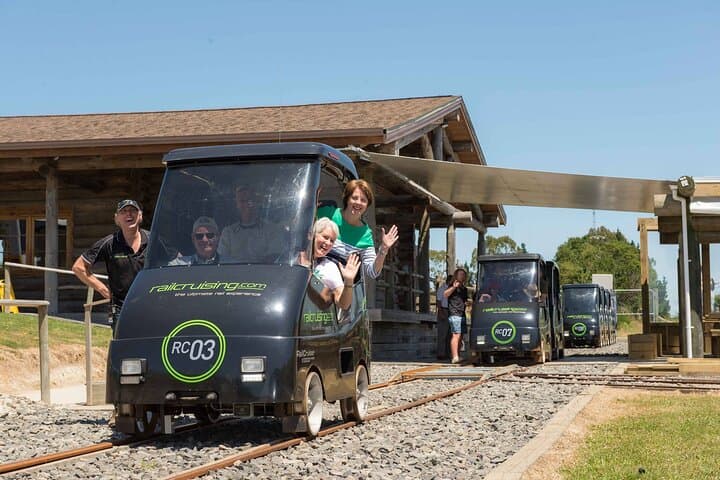
Rotorua is best explored by car, but there are also local buses and tours available.
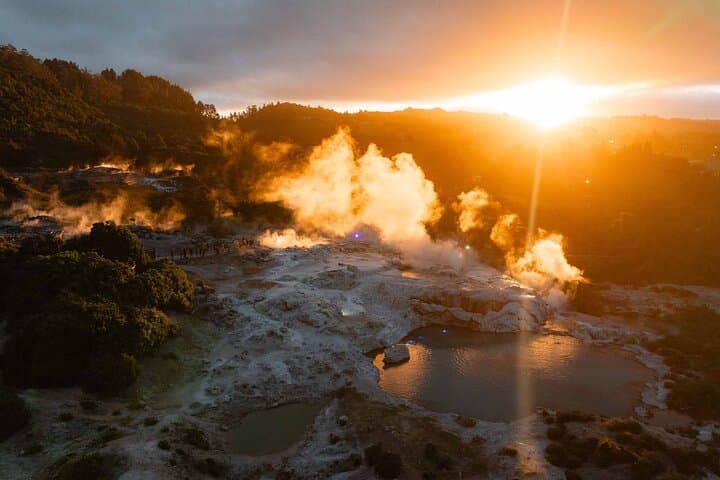
Rotorua, nestled in New Zealand's Bay of Plenty, is a city that captivates visitors with its unique geothermal features and vibrant Māori culture. The city is famed for its geysers, especially the Pōhutu Geyser at Whakarewarewa, and its bubbling hot mud pools. Rotorua's location on the shores of Lake Rotorua provides stunning natural vistas. The city's history is deeply intertwined with both Māori and European influences, making it a fascinating destination for cultural tourism. Visitors can explore the rich traditions of the Te Arawa Māori and enjoy the area's natural wonders.
Rotorua, nestled in New Zealand's Bay of Plenty, is a city that captivates visitors with its unique geothermal features and vibrant Māori culture. The city is famed for its geysers, especially the Pōhutu Geyser at Whakarewarewa, and its bubbling hot mud pools. Rotorua's location on the shores of Lake Rotorua provides stunning natural vistas. The city's history is deeply intertwined with both Māori and European influences, making it a fascinating destination for cultural tourism. Visitors can explore the rich traditions of the Te Arawa Māori and enjoy the area's natural wonders.
Famous for geothermal geysers and hot mud pools.
Rich Māori cultural heritage and experiences.
Proximity to Lake Rotorua offers scenic views.
Popular destination for both domestic and international tourists.
Historical significance with early European and Māori settlements.
Rotorua is known for its geothermal activity, including geysers and hot springs.
The city offers rich Māori cultural experiences and historical sites.
Rotorua is a popular tourist destination, so expect crowds during peak seasons.
Rotorua is best explored by car, but there are also local buses and tours available.
Try local Māori dishes and geothermal-cooked meals at cultural experiences.
Geothermal wonders and cultural experiences.
NZD $
$100-$200 p/day
English, Māori
Respect Māori culture and traditions when visiting cultural sites.
Stay on marked paths in geothermal areas to ensure safety.
April-JuneSeptember-November
Spring offers mild weather and fewer tourists, perfect for exploring geothermal sites.
Summer is busy with tourists, but it's a great time for outdoor activities and events.
Fall provides pleasant weather and a quieter atmosphere, ideal for cultural exploration.
Winter is cooler but still a good time to visit geothermal attractions and enjoy indoor cultural activities.