Getting Around
Whanganui is best explored on foot or by bike, especially along the scenic riverfront.
Whanganui, located in the Manawatū-Whanganui region of New Zealand, is a city steeped in history and culture. Situated at the mouth of the Whanganui River, it is the ancestral home of Te Āti Haunui-a-Pāpārangi and other Māori tribes. The city was one of the earliest European settlements in New Zealand, with significant growth in the 19th century. Today, Whanganui is recognized as a UNESCO City of Design, reflecting its vibrant arts scene and commitment to creativity. Visitors can explore a mix of historical sites, art galleries, and scenic riverfront views, making it a perfect destination for those interested in both cultural and natural attractions.
Whanganui, located in the Manawatū-Whanganui region of New Zealand, is a city steeped in history and culture. Situated at the mouth of the Whanganui River, it is the ancestral home of Te Āti Haunui-a-Pāpārangi and other Māori tribes. The city was one of the earliest European settlements in New Zealand, with significant growth in the 19th century. Today, Whanganui is recognized as a UNESCO City of Design, reflecting its vibrant arts scene and commitment to creativity. Visitors can explore a mix of historical sites, art galleries, and scenic riverfront views, making it a perfect destination for those interested in both cultural and natural attractions.
Located at the mouth of the Whanganui River.
Rich Māori cultural heritage.
Vibrant arts and design scene.
Historical European settlement roots.
UNESCO City of Design.
Close access to the Whanganui River, ideal for water activities.
Rich cultural heritage with significant Māori and European influences.
Vibrant arts and design community recognized by UNESCO.
Whanganui is best explored on foot or by bike, especially along the scenic riverfront.
Try local delicacies at the city's markets and eateries, which often feature fresh, regional produce.
Cultural enthusiasts and nature lovers.
NZD $
$100-$180 p/day
English, Māori
Visit the Whanganui Regional Museum and Sarjeant Gallery for a deep dive into local history and art.
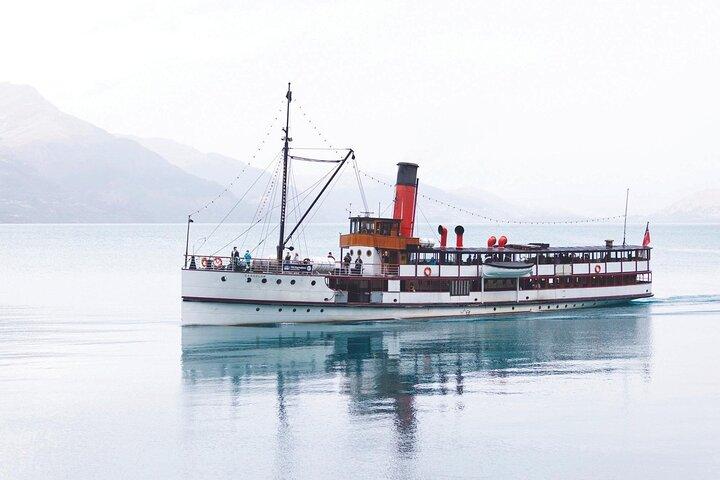
Take a riverboat tour on the Whanganui River for stunning views and a unique perspective of the city.
Cultural Exploration, Nature Lovers, Art Enthusiasts
September-NovemberMarch-May
Spring is a great time to visit Whanganui with mild weather and blooming gardens.
Enjoy outdoor activities and river tours during the warm summer months.
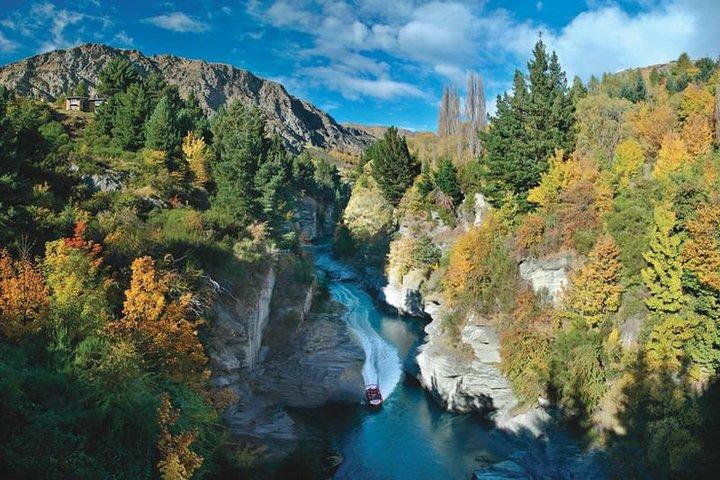
Experience the vibrant autumn colors along the river and in the parks.
Winter is quieter, offering a peaceful time to explore museums and indoor attractions.