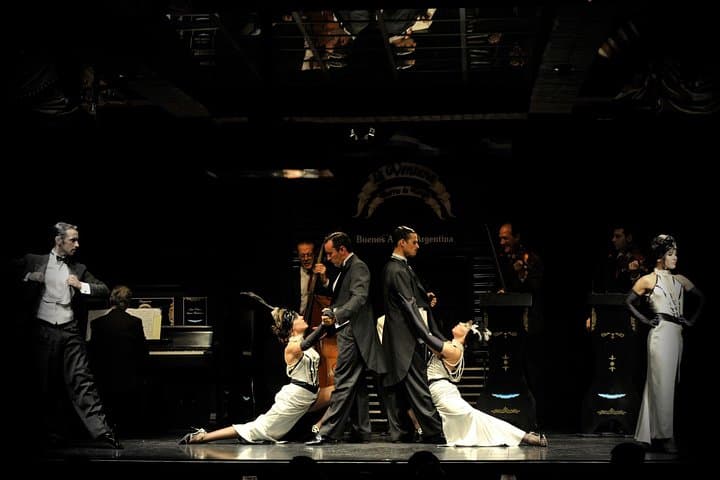
Local Festivals
Check for local gaucho festivals or 'jineteadas' which showcase traditional horse riding and folk music.
Victorica holds a special place in Argentine history as the first town established in the province of La Pampa in 1882. Located in the heart of the country, it serves as a living monument to the frontier era and the regional identity. Visitors can experience a slower pace of life, characterized by wide streets, historic architecture, and a deep-rooted gaucho culture. The surrounding landscape features the unique caldén forests, native to this semi-arid region. It is a destination for those looking to escape the tourist crowds and immerse themselves in the authentic rural identity of central Argentina.
Victorica holds a special place in Argentine history as the first town established in the province of La Pampa in 1882. Located in the heart of the country, it serves as a living monument to the frontier era and the regional identity. Visitors can experience a slower pace of life, characterized by wide streets, historic architecture, and a deep-rooted gaucho culture. The surrounding landscape features the unique caldén forests, native to this semi-arid region. It is a destination for those looking to escape the tourist crowds and immerse themselves in the authentic rural identity of central Argentina.
The first town founded in the La Pampa province.
Rich gaucho heritage and local traditions.
Proximity to unique caldén forest landscapes.
Quiet streets perfect for a relaxed pace of life.
Limited tourist infrastructure compared to major cities.
The climate can be quite dry and dusty during the summer months.
A basic understanding of Spanish is very helpful as English is not widely spoken.
The town is quite small, making it a peaceful but low-activity destination.
Check for local gaucho festivals or 'jineteadas' which showcase traditional horse riding and folk music.
Public transport is limited; renting a car is recommended to explore the surrounding rural areas of La Pampa.
History enthusiasts and those seeking a quiet, authentic rural Argentine experience.
ARS $
$40-$80 p/day
Spanish
Like many small Argentine towns, most shops close in the afternoon for siesta, usually between 1:00 PM and 5:00 PM.
Don't miss the opportunity to try authentic 'asado' (barbecue) at local eateries, a staple of the region.
September-November, March-May
Mild temperatures make this the best time for outdoor exploration and enjoying the blooming landscape.
Can be very hot and dry; it is best to plan activities for early morning or late evening.
Pleasant weather with cooler evenings, ideal for visiting historic sites and rural estates.
Cool to cold, but usually sunny; a quiet time to experience the town's local life.