

Dress in Layers
Patagonian weather is notoriously unpredictable and windy; layers are essential even in summer.
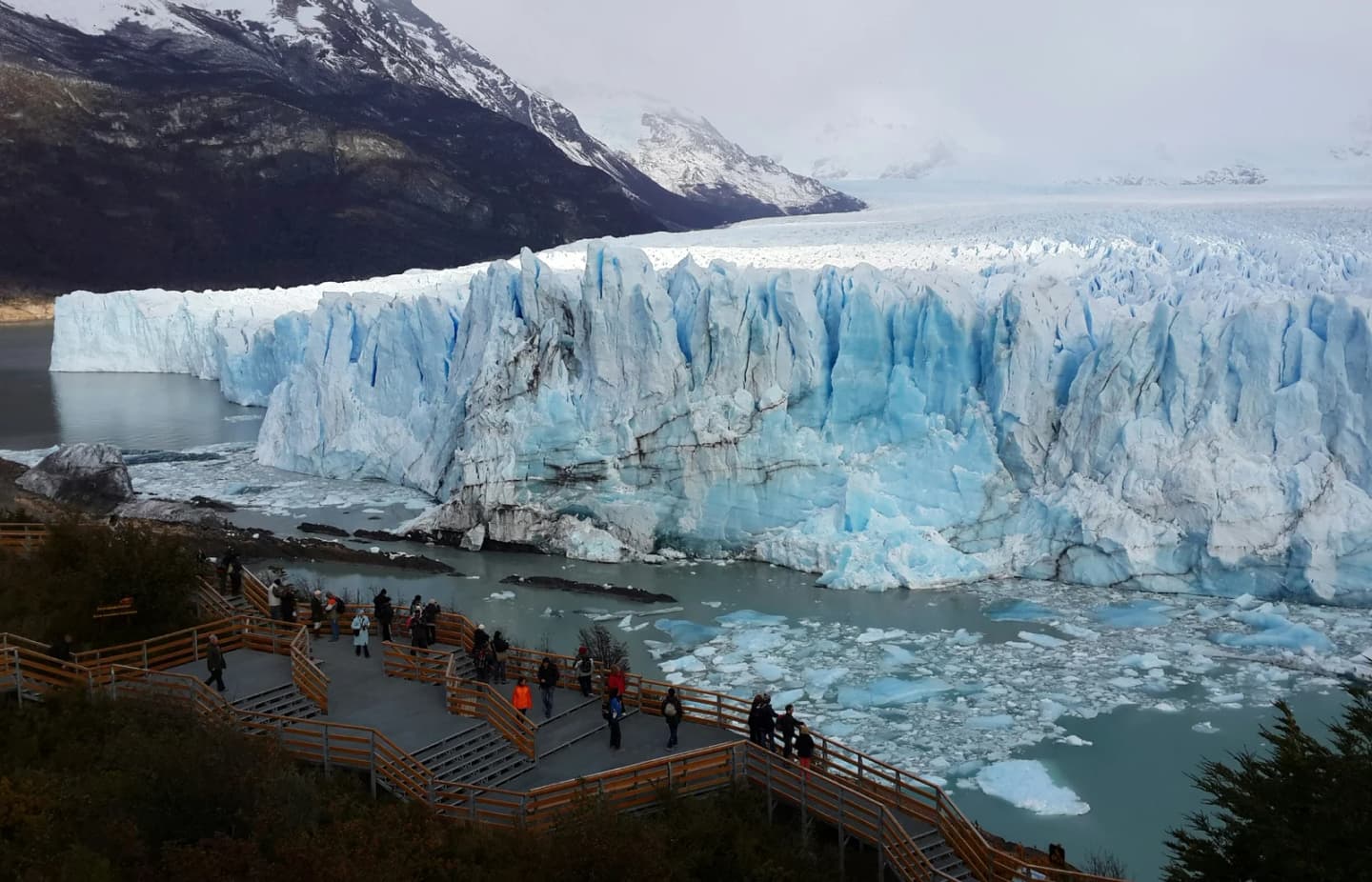
Santa Cruz Province is the heart of southern Argentina's Patagonia, offering some of the most iconic landscapes in South America. As the second-largest province in the country, it remains remarkably sparsely populated, allowing its natural beauty to take center stage. From the towering peaks of the Andes in the west to the rugged Atlantic cliffs in the east, the region is a playground for outdoor enthusiasts. Visitors can delve into the history of the indigenous Tehuelche people or explore the legacy of European settlers who arrived during the gold rush. Whether you are hiking through pristine wilderness, capturing the local wildlife on camera, or visiting the capital of Rio Gallegos, Santa Cruz provides an authentic off-the-beaten-path experience for those seeking adventure in its purest form.
Santa Cruz Province is the heart of southern Argentina's Patagonia, offering some of the most iconic landscapes in South America. As the second-largest province in the country, it remains remarkably sparsely populated, allowing its natural beauty to take center stage. From the towering peaks of the Andes in the west to the rugged Atlantic cliffs in the east, the region is a playground for outdoor enthusiasts. Visitors can delve into the history of the indigenous Tehuelche people or explore the legacy of European settlers who arrived during the gold rush. Whether you are hiking through pristine wilderness, capturing the local wildlife on camera, or visiting the capital of Rio Gallegos, Santa Cruz provides an authentic off-the-beaten-path experience for those seeking adventure in its purest form.
Breathtaking Andean mountain ranges in the west.
Expansive and wild Atlantic coastline to the east.
Rich cultural history of the indigenous Tehuelche people.
Unparalleled opportunities for wildlife photography in the wilderness.
Vast, untouched areas perfect for off-the-beaten-path exploration.
Extremely low population density means long stretches of road without services.
High winds are a constant feature of the Patagonian landscape.
The region's remote nature requires careful logistical planning for fuel and supplies.
Rich biodiversity includes unique species like guanacos and rheas.
Patagonian weather is notoriously unpredictable and windy; layers are essential even in summer.
Distances between attractions are vast and public transport is limited; consider renting a car for flexibility.
Adventure seekers and nature enthusiasts looking for remote wilderness.
ARS $
Spanish, English
While remote, popular spots near the mountains can fill up during the peak summer season.
Internet and ATM access can be sparse in rural areas; carry local currency and download offline maps.
October-April
Mild temperatures and blooming flora make it a great time for hiking with fewer crowds.
The most popular time to visit with long daylight hours, though it can be very windy.
Stunning autumn colors transform the landscape, offering incredible photography opportunities.
Many areas become inaccessible due to snow, but it offers a quiet, stark beauty for hardy travelers.


