Salt Workshops
Take a few minutes to visit a family-run salt factory to see how the local 'white gold' is processed.
Situated on the fringes of the world-famous Salar de Uyuni, Colchani is a small but vital town in the Potosí Department of Bolivia. As the main entry point for tours into the salt flats, it offers a unique glimpse into the region's salt-based economy. Visitors can explore local workshops where salt is processed and refined using traditional methods, or browse markets featuring unique sculptures and goods carved from salt. While primarily a transit hub, its proximity to the vast white landscape and its high-altitude charm make it a memorable stop for any traveler exploring the Bolivian Altiplano.
Situated on the fringes of the world-famous Salar de Uyuni, Colchani is a small but vital town in the Potosí Department of Bolivia. As the main entry point for tours into the salt flats, it offers a unique glimpse into the region's salt-based economy. Visitors can explore local workshops where salt is processed and refined using traditional methods, or browse markets featuring unique sculptures and goods carved from salt. While primarily a transit hub, its proximity to the vast white landscape and its high-altitude charm make it a memorable stop for any traveler exploring the Bolivian Altiplano.
Primary entry point to the Salar de Uyuni.
Traditional salt processing workshops.
Local markets with salt-carved handicrafts.
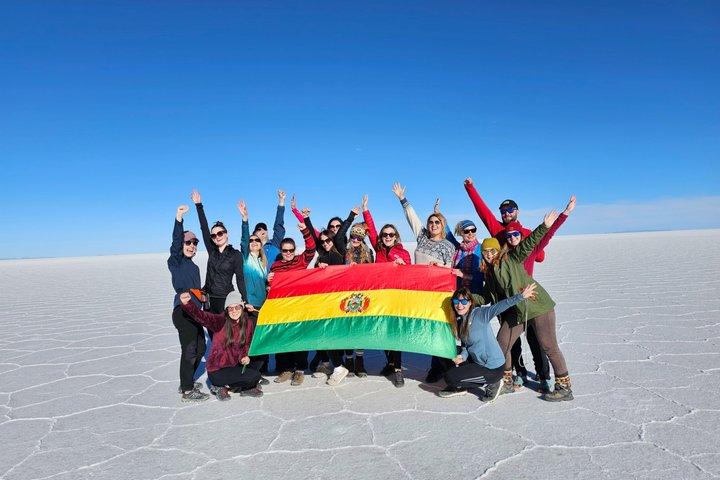
Proximity to the world's largest salt flats.
Gateway to the world's largest salt flat.
High altitude requires physical preparation.
Limited dining and accommodation options compared to Uyuni.
Take a few minutes to visit a family-run salt factory to see how the local 'white gold' is processed.
The town is the best place to buy unique salt-carved souvenirs and llama wool textiles.
Travelers visiting the Salar de Uyuni and those interested in traditional salt mining.
BOB Bs.
$30-$50 p/day
Spanish, Quechua
At over 3,600 meters, ensure you are well-hydrated and acclimatized to avoid altitude sickness.
May-October, January-March
Mild and dry weather makes it a great time for clear views of the salt flats.
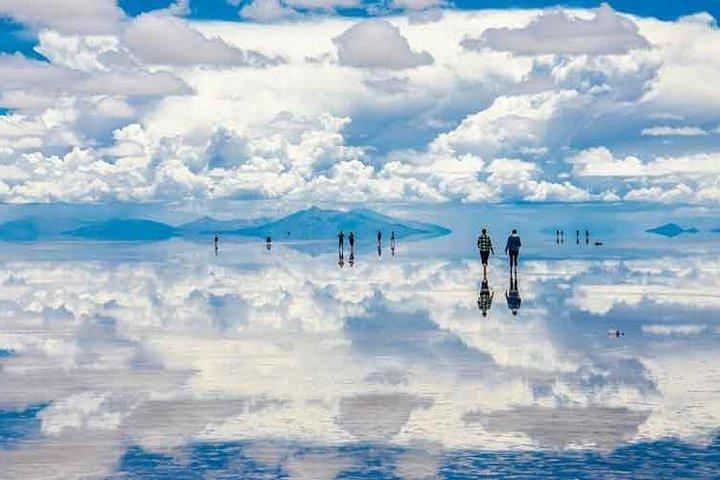
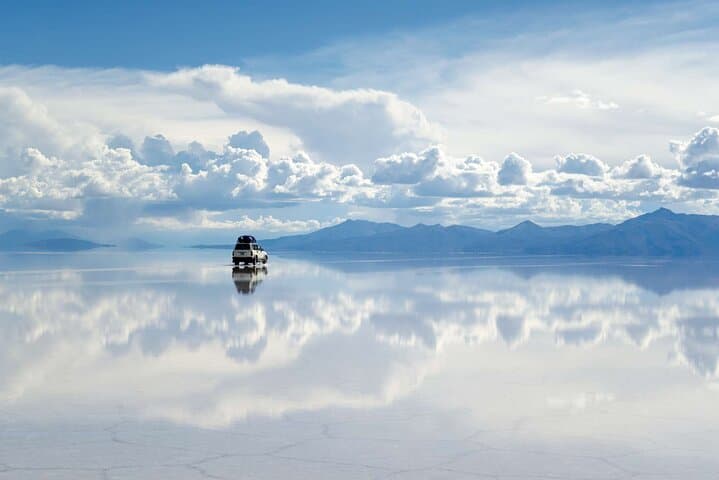
The rainy season brings the famous mirror effect to the nearby salt flats, though travel can be slower.
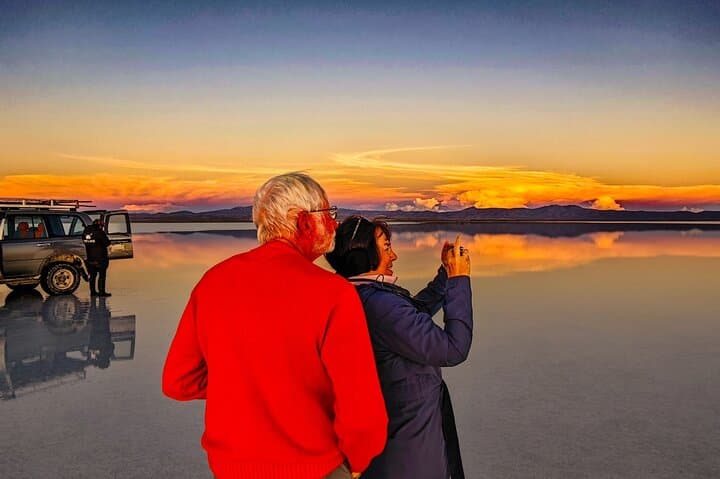
Clear skies and cooling temperatures provide excellent conditions for photography.
Very cold temperatures, especially at night, require heavy thermal clothing.