Lagoa de Parnaguá
Visit the lagoon area in the late afternoon for cooler temperatures and beautiful sunset views over the water.
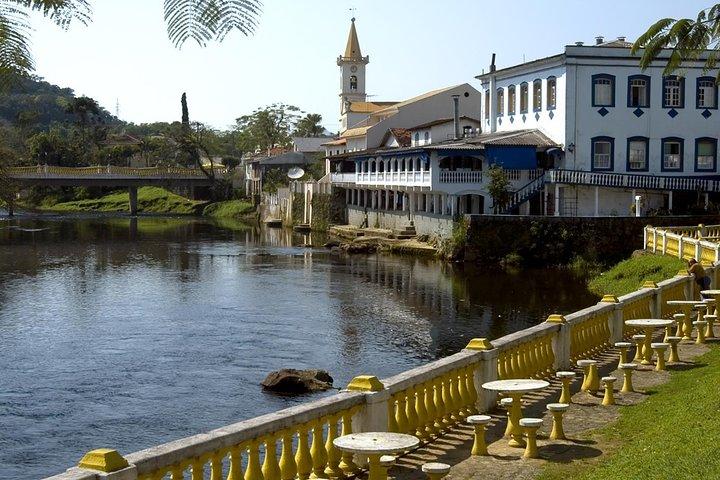
Located in the southern reaches of Piauí, Parnaguá is a city steeped in history and natural beauty. It is most famous for the Lagoa de Parnaguá, one of the largest natural lagoons in the state, which has historically been the lifeblood of the community. The town itself retains a quiet, colonial charm, offering a window into the traditional way of life in the Brazilian sertão. While it remains off the main tourist circuit, it provides a unique opportunity for visitors to explore the intersection of history and nature in a serene, rural setting.
Located in the southern reaches of Piauí, Parnaguá is a city steeped in history and natural beauty. It is most famous for the Lagoa de Parnaguá, one of the largest natural lagoons in the state, which has historically been the lifeblood of the community. The town itself retains a quiet, colonial charm, offering a window into the traditional way of life in the Brazilian sertão. While it remains off the main tourist circuit, it provides a unique opportunity for visitors to explore the intersection of history and nature in a serene, rural setting.
The expansive Lagoa de Parnaguá, a central natural landmark.
Colonial-era historical significance in the Piauí interior.
A slow-paced, traditional lifestyle away from major tourist hubs.
Scenic views of the surrounding semi-arid landscape.
The city has limited hotel and tourism infrastructure compared to state capitals.
Public transport to this region can be infrequent; a private vehicle is often the best way to arrive.
English is rarely spoken; basic Portuguese will be very helpful for navigation and dining.
Visit the lagoon area in the late afternoon for cooler temperatures and beautiful sunset views over the water.
Try traditional dishes from the Piauí interior, which often feature local ingredients like carne-de-sol and regional fruits.
History enthusiasts and travelers seeking a quiet, authentic rural experience.
BRL R$
$30-$50 p/day
Portuguese
The climate is consistently hot and dry; always carry water when exploring the town or surrounding areas.
June-August
Hot and dry. The landscape is arid, but the skies are usually clear for photography.
The rainy season brings relief from the heat and turns the surrounding caatinga vegetation green.
Temperatures begin to stabilize, and the lagoon levels are typically at their highest after the summer rains.
The most comfortable time to visit, with lower humidity and slightly cooler evenings.