Textile Shopping
The city is a great place to buy high-quality, locally-made hammocks and linens directly from producers.




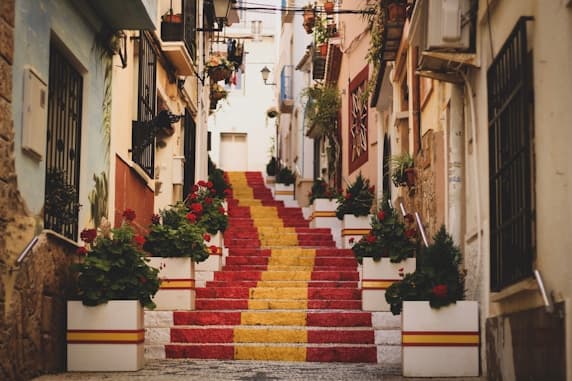
Jardim de Piranhas is a peaceful municipality located in the semi-arid Seridó region of Rio Grande do Norte, Brazil. With a population of nearly 14,000, the city is a significant hub for the regional textile industry, particularly known for its production of high-quality hammocks and household linens. The town is situated along the banks of the Piranhas River, which plays a vital role in the local geography and history. Visitors to Jardim de Piranhas will find a community deeply rooted in the traditions of the Brazilian 'sertão', offering a stark contrast to the coastal tourism of the state. It is an ideal destination for those looking to experience genuine culture, local crafts, and the warm hospitality of the Rio Grande do Norte interior.
Jardim de Piranhas is a peaceful municipality located in the semi-arid Seridó region of Rio Grande do Norte, Brazil. With a population of nearly 14,000, the city is a significant hub for the regional textile industry, particularly known for its production of high-quality hammocks and household linens. The town is situated along the banks of the Piranhas River, which plays a vital role in the local geography and history. Visitors to Jardim de Piranhas will find a community deeply rooted in the traditions of the Brazilian 'sertão', offering a stark contrast to the coastal tourism of the state. It is an ideal destination for those looking to experience genuine culture, local crafts, and the warm hospitality of the Rio Grande do Norte interior.
Center of the regional textile and hammock industry.
Authentic 'Sertão' cultural experience.
Scenic location within the Piranhas-Açu River basin.
Warm hospitality typical of the Rio Grande do Norte interior.
Limited high-end accommodation options compared to coastal cities.
Very high temperatures are common throughout the year.
Portuguese is the primary language; English is rarely spoken in the interior.
The city is a great place to buy high-quality, locally-made hammocks and linens directly from producers.
Try the local Seridó cheese and sun-dried meat (carne de sol) at traditional eateries.
Cultural explorers and those interested in traditional Brazilian textiles.
BRL R$
$30-$60 p/day
Portuguese
The semi-arid climate is very dry; always carry water when exploring the area.
June-August
Expect dry, hot weather; the landscape shows the classic beauty of the caatinga.
Peak heat season; stay indoors during midday and enjoy the local river spots if accessible.
The end of the heat and potential for occasional rains that transform the brown landscape to green.
The mildest time of year with occasional rains, making it the most comfortable time for visitors.