Getting Around
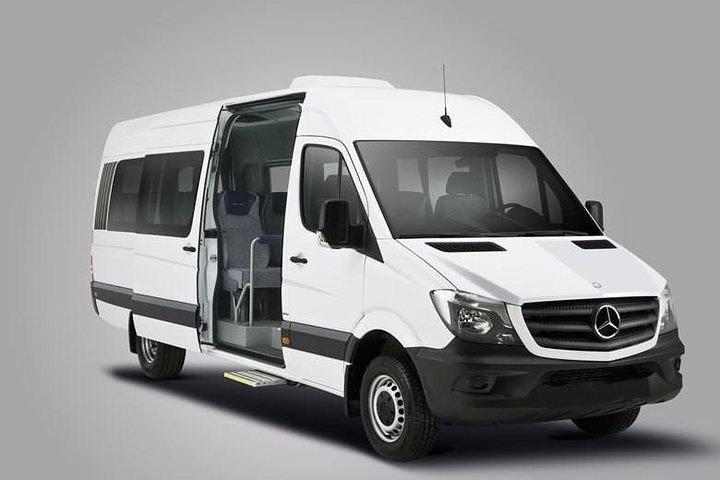
Santiago has an extensive metro system that is one of the most efficient ways to travel around the city.
Santiago, the capital and largest city of Chile, is a dynamic metropolis that combines historical charm with modern sophistication. Situated in the Santiago Basin, the city is surrounded by the Andes and the Chilean Coastal Range, offering breathtaking views and a unique climate with warm, dry summers and cool, wet winters. Founded in 1541, Santiago boasts a rich history evident in its neoclassical architecture and colonial churches. The city is a hub for political, economic, and cultural activities, housing major Chilean companies, international organizations, and leading universities. Visitors can explore the vibrant Sanhattan business district, home to Gran Torre Santiago, the tallest building in South America. Santiago's extensive metro system and urban highways make it easy to navigate this bustling city, while its parks and standalone hills provide serene escapes from the urban hustle.
Santiago, the capital and largest city of Chile, is a dynamic metropolis that combines historical charm with modern sophistication. Situated in the Santiago Basin, the city is surrounded by the Andes and the Chilean Coastal Range, offering breathtaking views and a unique climate with warm, dry summers and cool, wet winters. Founded in 1541, Santiago boasts a rich history evident in its neoclassical architecture and colonial churches. The city is a hub for political, economic, and cultural activities, housing major Chilean companies, international organizations, and leading universities. Visitors can explore the vibrant Sanhattan business district, home to Gran Torre Santiago, the tallest building in South America. Santiago's extensive metro system and urban highways make it easy to navigate this bustling city, while its parks and standalone hills provide serene escapes from the urban hustle.
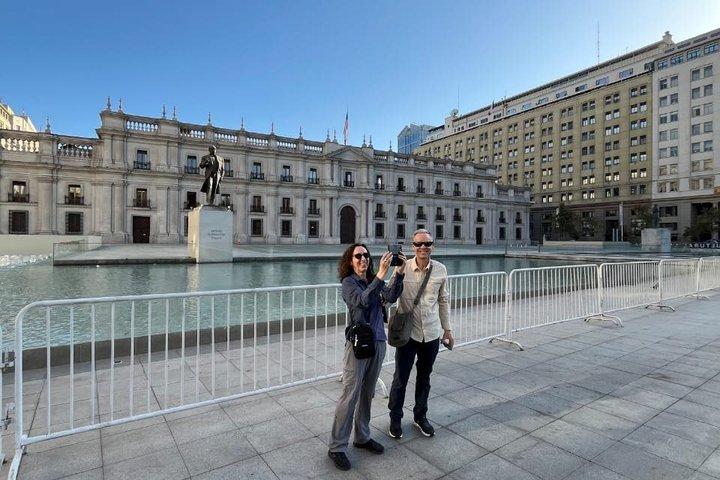
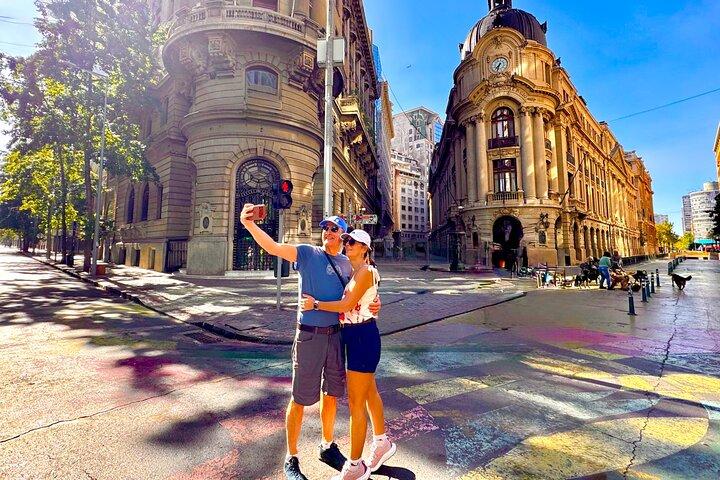
Neoclassical architecture and colonial churches.
Sanhattan business district with Gran Torre Santiago.
Cultural institutions and universities.
Scenic views of the Andes.
Extensive metro system.
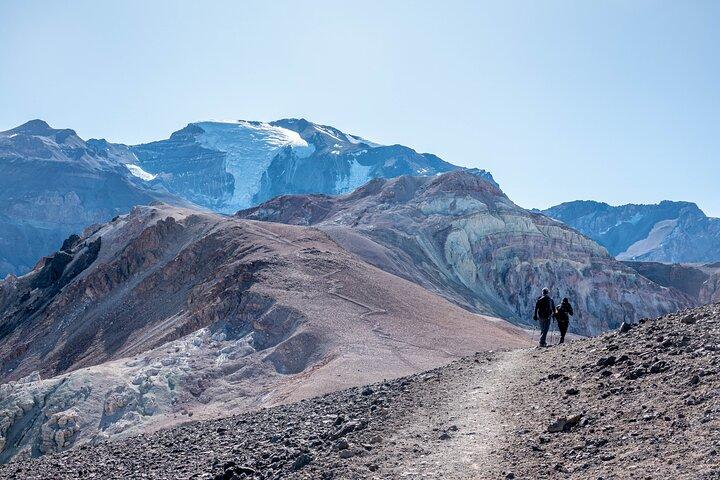
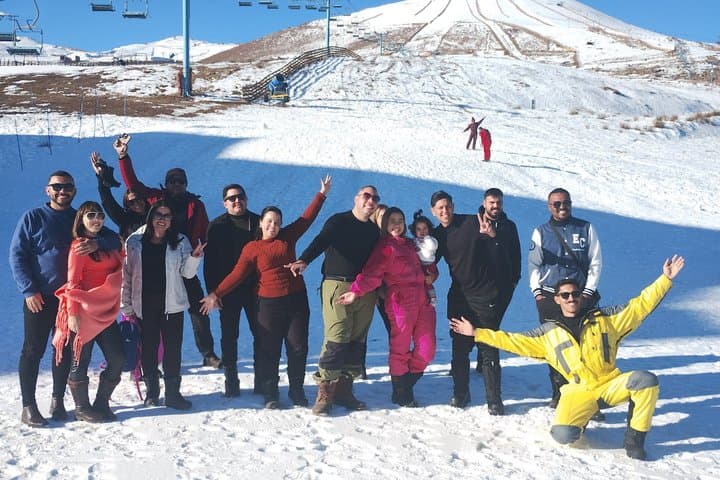
Close access to the Andes, ideal for hiking and skiing.
Rich cultural heritage with museums and historical sites.
Urban sprawl can lead to traffic congestion.
Santiago has an extensive metro system that is one of the most efficient ways to travel around the city.
Try local dishes such as empanadas and pastel de choclo, and explore the city's vibrant food markets.
History enthusiasts and urban explorers.
CLP $
$80-$150 p/day
Spanish, English
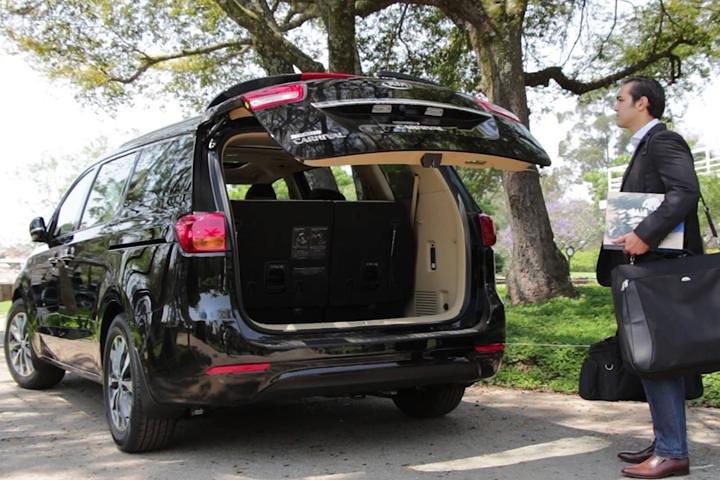
Be cautious of pickpocketing in crowded areas and use official taxis or rideshare apps for transportation.
The city experiences a Mediterranean climate, so pack accordingly for warm summers and cooler, wetter winters.
Tourists, History, Culture, Business
September-NovemberMarch-May
Spring in Santiago offers mild temperatures and fewer tourists, making it ideal for sightseeing.
Summers are warm and dry, perfect for outdoor activities but can be crowded.
Fall is pleasant with fewer tourists, great for exploring the city's parks and cultural sites.
Winters are cool and wet, with opportunities for skiing in the nearby Andes.