National Park Pass
Purchase your Rapa Nui National Park ticket online or at the airport upon arrival, as it is mandatory for visiting all major archaeological sites.

Hanga Roa is the only town on Easter Island, located in the southeastern Pacific Ocean. As the island's administrative and cultural center, it houses nearly the entire population and provides all essential services for travelers. The town is characterized by its low-rise buildings, lush tropical gardens, and a small harbor where local fishermen bring in the daily catch. Visitors can explore the local church with its unique wood carvings, browse artisan markets for obsidian crafts, and enjoy fresh tuna empanadas. Beyond the town limits, the vast archaeological landscape of Rapa Nui National Park awaits, featuring hundreds of monumental Moai statues that tell the story of a complex and resilient civilization.
Hanga Roa is the only town on Easter Island, located in the southeastern Pacific Ocean. As the island's administrative and cultural center, it houses nearly the entire population and provides all essential services for travelers. The town is characterized by its low-rise buildings, lush tropical gardens, and a small harbor where local fishermen bring in the daily catch. Visitors can explore the local church with its unique wood carvings, browse artisan markets for obsidian crafts, and enjoy fresh tuna empanadas. Beyond the town limits, the vast archaeological landscape of Rapa Nui National Park awaits, featuring hundreds of monumental Moai statues that tell the story of a complex and resilient civilization.
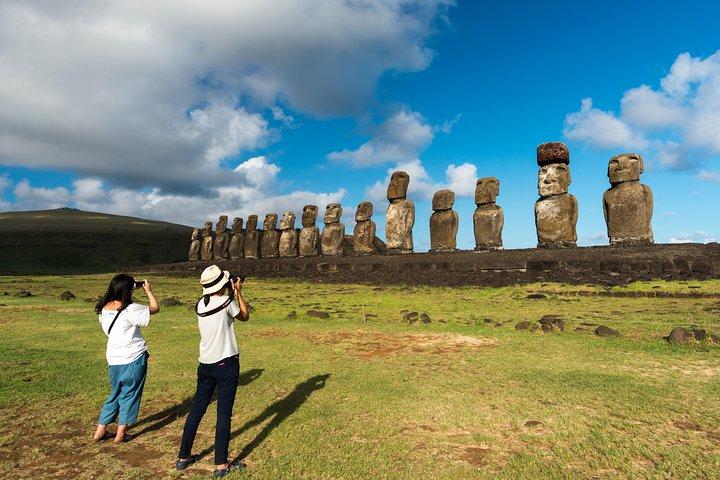
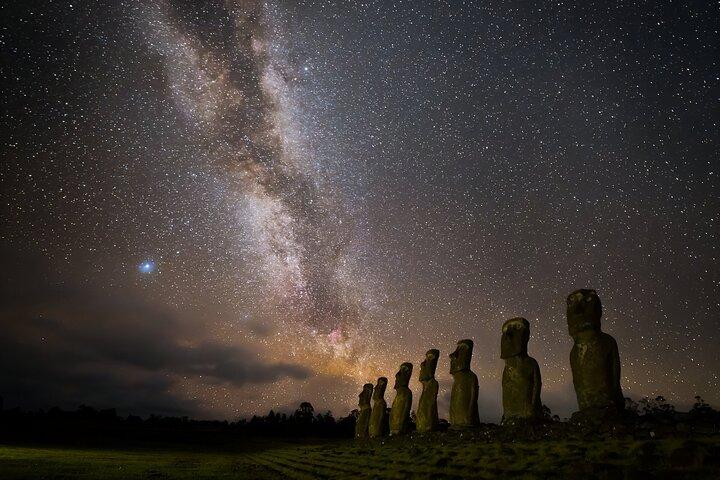
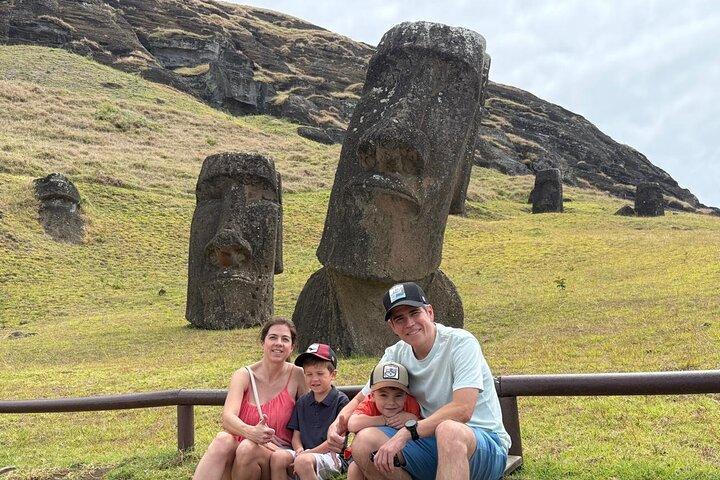
Gateway to the iconic Moai statues of Rapa Nui National Park.
Local artisan markets featuring traditional obsidian and wood carvings.
The Sebastian Englert Anthropological Museum's historical exhibits.
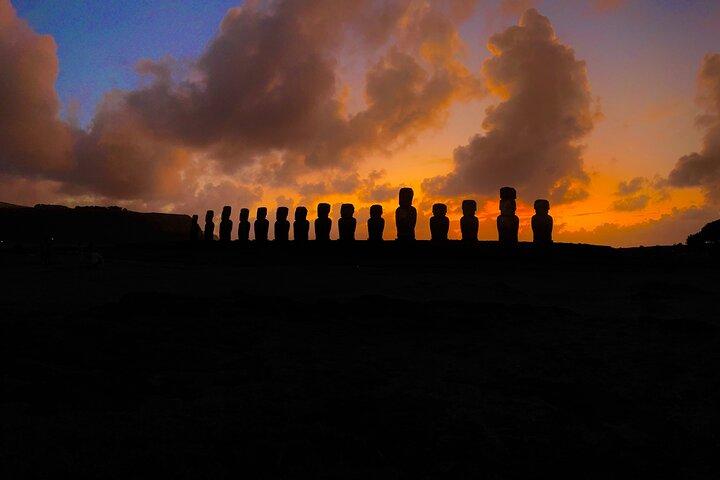
Stunning sunset views from the Ahu Tahai ceremonial complex.
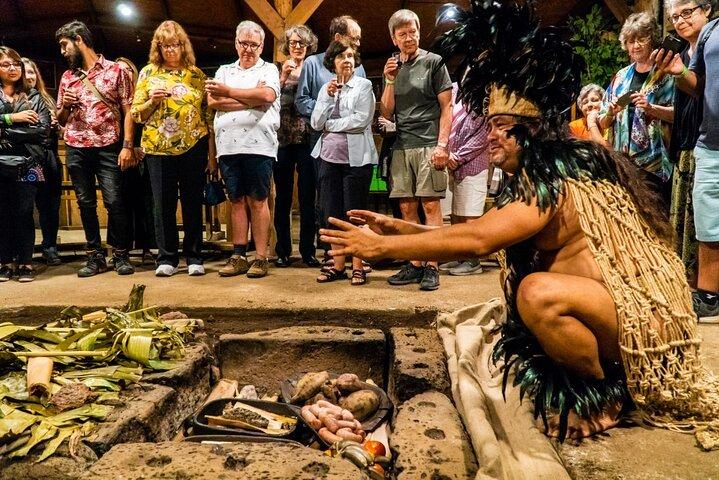
Authentic Polynesian dance performances and local seafood cuisine.
Extreme isolation means that most goods are imported, making prices significantly higher than on mainland Chile.
The island has a delicate ecosystem; visitors are expected to follow strict environmental and archaeological conservation rules.
Sun protection is essential as the island has very little natural shade and a high UV index year-round.
Purchase your Rapa Nui National Park ticket online or at the airport upon arrival, as it is mandatory for visiting all major archaeological sites.
Never touch or walk on the stone platforms (ahu) of the Moai statues, as they are sacred sites and strictly protected.
Cultural immersion and exploring the archaeological wonders of Rapa Nui.
CLP $
$150-$250 p/day
7,322
Internet can be slow and unreliable due to the island's extreme isolation; it is best to download offline maps and essential info before you arrive.
Spanish, Rapa Nui, English
October-April
Spring (September-November) offers pleasant temperatures and fewer tourists, making it a great time for hiking and outdoor exploration.
Summer (December-February) is hot and humid; it is the peak tourist season and features the vibrant Tapati Rapa Nui festival in February.
Fall (March-May) sees cooler weather and is an excellent time for photography and visiting sites with fewer crowds.
Winter (June-August) is the rainy season, but temperatures remain mild; it is the quietest time to visit the island's monuments.