Local Transport
Use motor-taxis or 'colectivos' for quick trips around the town and nearby areas.
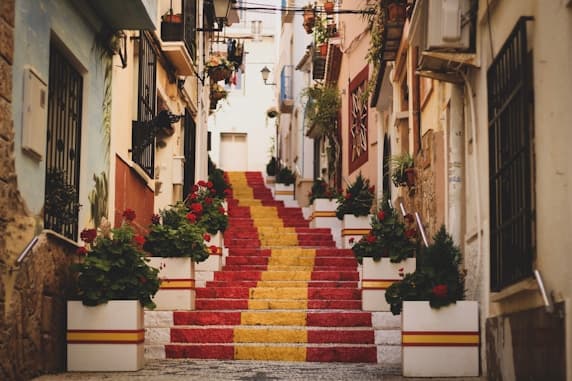
Located in the Caquetá department of southern Colombia, El Paujíl is a modest city with a population of around 7,600. It serves as a local center within a region defined by its proximity to the Amazonian foothills, offering visitors a landscape of dense greenery and tropical beauty. The town provides an off-the-beaten-path experience for those looking to understand the agricultural and social fabric of rural Colombia. While it lacks the heavy tourism infrastructure of larger cities, its charm lies in its simplicity and the natural wonders that surround it.
Located in the Caquetá department of southern Colombia, El Paujíl is a modest city with a population of around 7,600. It serves as a local center within a region defined by its proximity to the Amazonian foothills, offering visitors a landscape of dense greenery and tropical beauty. The town provides an off-the-beaten-path experience for those looking to understand the agricultural and social fabric of rural Colombia. While it lacks the heavy tourism infrastructure of larger cities, its charm lies in its simplicity and the natural wonders that surround it.
Gateway to the biodiversity of the Caquetá region.
Authentic small-town atmosphere with 7,600 residents.
Located in the lush Amazonian foothills of southern Colombia.
Limited English is spoken; basic Spanish is very helpful for navigation.
The town is a quiet residential and agricultural hub with limited tourist infrastructure.
Access to the surrounding nature often requires local guidance or private transport.
Use motor-taxis or 'colectivos' for quick trips around the town and nearby areas.
The climate is tropical and humid; carry water and sun protection when exploring.
Exploring rural landscapes and authentic Colombian town life.
COP $
$30-$60 p/day
Spanish
Mobile signal can be spotty in rural outskirts; download maps in advance.
December-March
Expect high humidity and frequent rain showers as the wet season begins.
The warmest months, generally suitable for exploring the nearby countryside.
Rainfall remains common, keeping the surrounding hills vibrant and green.
The driest period, generally considered the best time for travel in the region.