Coffee Heritage
Take a guided tour of a historic hacienda to understand the region's coffee boom history.
Viotá is nestled in the Tequendama Province of Cundinamarca, offering a stark contrast to the nearby high-altitude capital with its warm, tropical climate. Historically known as a major coffee-producing hub during the late 19th century, the area is famous for its sprawling coffee haciendas, many of which still stand as architectural landmarks. The town is surrounded by dense vegetation and rolling hills, providing a perfect backdrop for eco-tourism and birdwatching. Visitors can explore the local culture through its vibrant weekend markets and learn about the intricate process of coffee production. Its proximity to Bogotá makes it an accessible destination for those looking to experience the authentic rural life and natural beauty of the Colombian Andes.
Viotá is nestled in the Tequendama Province of Cundinamarca, offering a stark contrast to the nearby high-altitude capital with its warm, tropical climate. Historically known as a major coffee-producing hub during the late 19th century, the area is famous for its sprawling coffee haciendas, many of which still stand as architectural landmarks. The town is surrounded by dense vegetation and rolling hills, providing a perfect backdrop for eco-tourism and birdwatching. Visitors can explore the local culture through its vibrant weekend markets and learn about the intricate process of coffee production. Its proximity to Bogotá makes it an accessible destination for those looking to experience the authentic rural life and natural beauty of the Colombian Andes.
Historic 19th-century coffee haciendas with preserved architecture.
Warm tropical climate offering a pleasant escape from the high Andes.
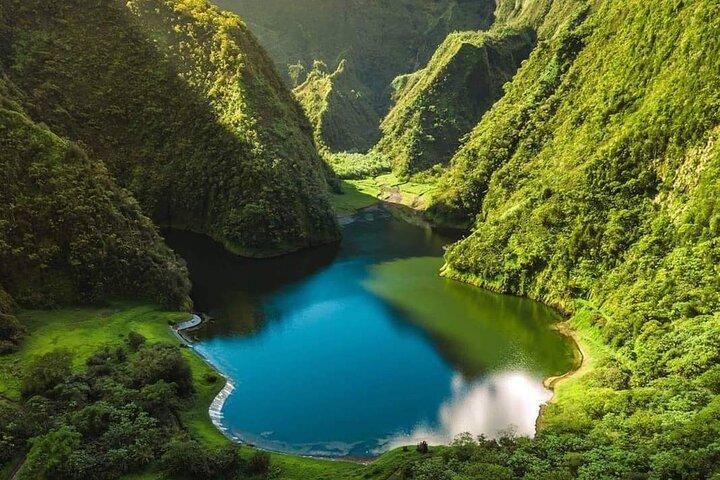
Lush mountain landscapes ideal for hiking and birdwatching.
Authentic local markets featuring fresh regional produce and coffee.
The road from Bogotá involves many curves; travelers prone to motion sickness should prepare accordingly.
Limited ATM access in rural areas, so it is advisable to carry sufficient Colombian Pesos (COP).
Mobile signal can be intermittent in the more remote coffee plantations and hiking trails.
Take a guided tour of a historic hacienda to understand the region's coffee boom history.
Bring insect repellent and light, breathable clothing, as the humidity and temperature are higher than in Bogotá.
History buffs and travelers seeking an authentic coffee-country experience away from the main tourist trails.
COP $
$30-$55 p/day
Spanish
Try the regional panela and locally grown coffee directly from the producers at the town square.
December-March, July-August
Expect lush, green scenery as the rains nourish the coffee crops; bring a light waterproof jacket.
The peak dry season is ideal for hiking the old muleteer trails and visiting outdoor sites.
A quieter time for tourism, offering a more peaceful experience of the town's traditional lifestyle.
Warm and sunny days make this the best time for escaping the chill of the surrounding highlands.