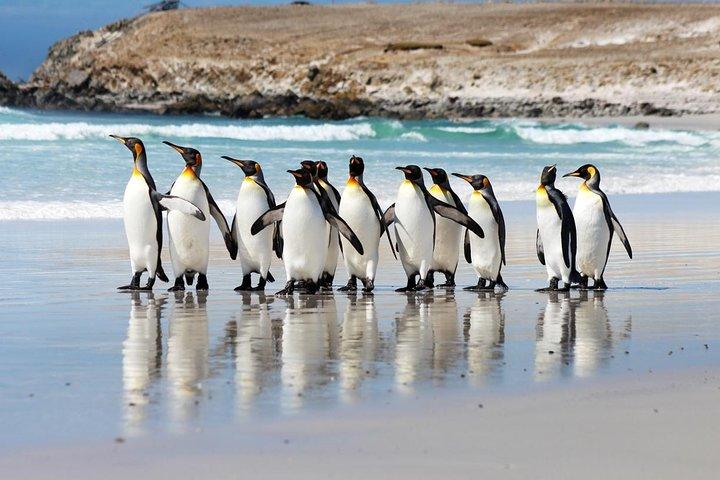
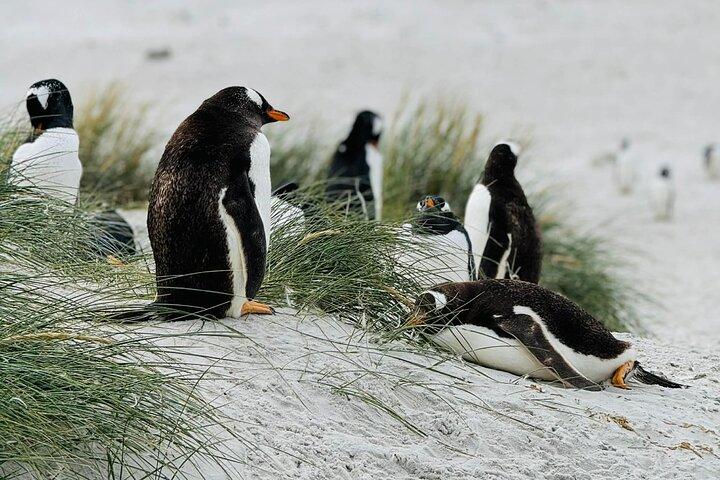
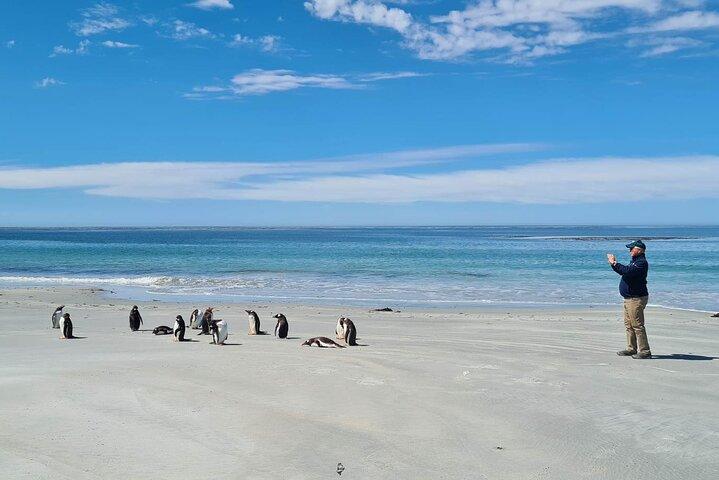
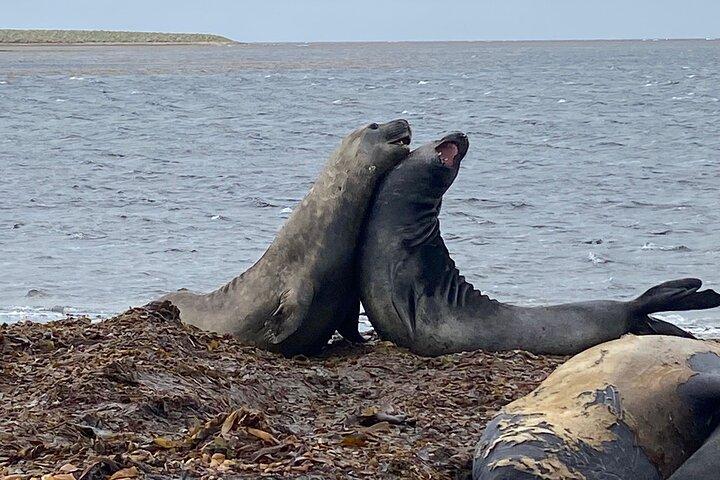
Wildlife Watching
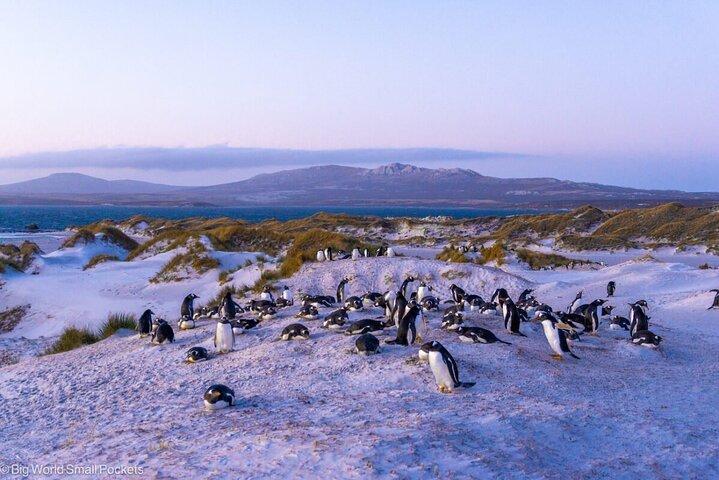
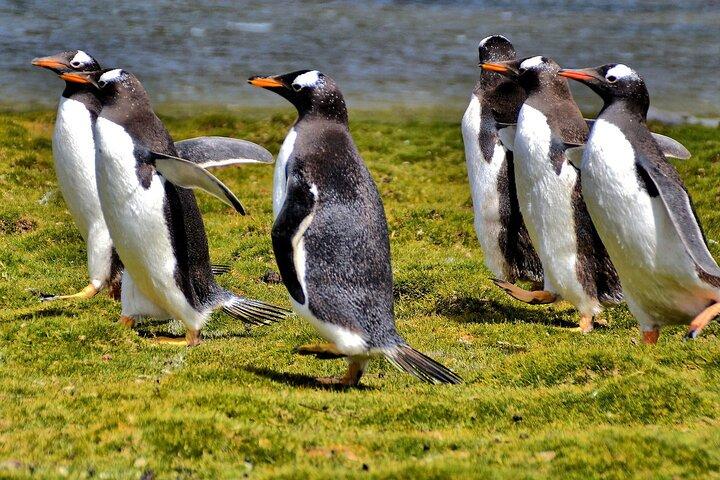
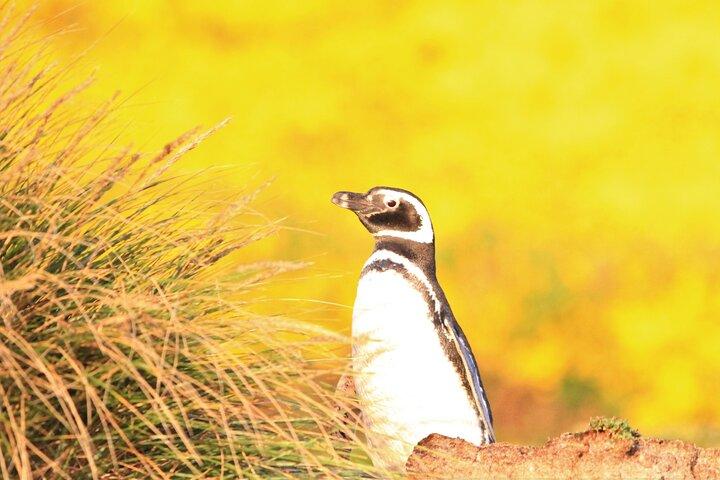
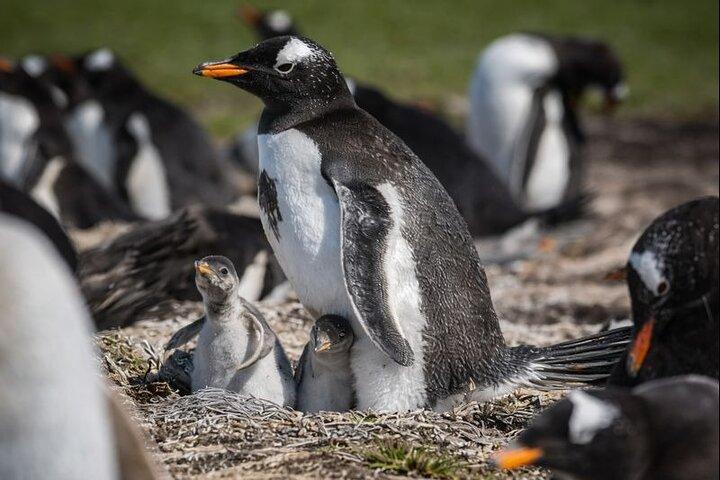
The islands are home to a variety of bird species, making it a paradise for bird watchers.




The Falkland Islands, an archipelago in the South Atlantic Ocean, is a British Overseas Territory renowned for its stunning natural beauty and historical significance. The islands are home to diverse wildlife, including large bird populations, and offer breathtaking landscapes with mountain ranges. The capital, Stanley, serves as the cultural and administrative hub. The islands' history is marked by European colonization and the 1982 Falklands War, contributing to its rich cultural tapestry. Economic activities include fishing, tourism, and sheep farming, with oil exploration adding a modern dimension to its economy. The Falklands provide a unique blend of British and South American influences, making it a captivating destination for those interested in nature and history.
The Falkland Islands, an archipelago in the South Atlantic Ocean, is a British Overseas Territory renowned for its stunning natural beauty and historical significance. The islands are home to diverse wildlife, including large bird populations, and offer breathtaking landscapes with mountain ranges. The capital, Stanley, serves as the cultural and administrative hub. The islands' history is marked by European colonization and the 1982 Falklands War, contributing to its rich cultural tapestry. Economic activities include fishing, tourism, and sheep farming, with oil exploration adding a modern dimension to its economy. The Falklands provide a unique blend of British and South American influences, making it a captivating destination for those interested in nature and history.
Rich bird populations and wildlife.
Historical sites related to the Falklands War.
Scenic landscapes with mountain ranges.
Fishing and sheep farming industries.
Cultural blend of British and South American influences.
Remote location with limited access.
Unique blend of British and South American cultures.
Rich in wildlife and natural landscapes.
Historical significance with sites from the Falklands War.
The islands are home to a variety of bird species, making it a paradise for bird watchers.
Visit sites related to the Falklands War for a deeper understanding of its history.
Nature enthusiasts and history buffs.
FKP £
$100-$200 p/day
English
The climate is subantarctic, so pack accordingly for varying weather conditions.
Try local delicacies such as fresh seafood and lamb, reflecting the islands' primary industries.
Flights to the islands are limited, so plan your travel well in advance.
October-March
Spring offers milder temperatures and is ideal for wildlife watching as many species are active.
Summer is the warmest season, perfect for outdoor activities and exploring the islands' landscapes.
Fall provides a quieter experience with fewer tourists, great for those seeking solitude.
Winter is colder and can be harsh, but it's a good time to experience the islands' rugged beauty without crowds.