Transport
The most common way to reach Pichari is via road from Ayacucho or by river transport along the Apurímac.
Located in the Cusco Department of Peru, Pichari is a vibrant city situated in the tropical valley of the Apurímac River. With a population of approximately 10,000, it serves as a significant hub for the surrounding agricultural communities, particularly those involved in cacao and coffee production. Unlike the high-altitude Andean regions typically associated with Cusco, Pichari offers a lush, humid climate and a landscape dominated by dense vegetation and river systems. Visitors to this remote destination will find a town that is very much off the traditional tourist circuit, providing a unique opportunity to experience the everyday rhythms of the Peruvian jungle and the natural beauty of the VRAEM region.
Located in the Cusco Department of Peru, Pichari is a vibrant city situated in the tropical valley of the Apurímac River. With a population of approximately 10,000, it serves as a significant hub for the surrounding agricultural communities, particularly those involved in cacao and coffee production. Unlike the high-altitude Andean regions typically associated with Cusco, Pichari offers a lush, humid climate and a landscape dominated by dense vegetation and river systems. Visitors to this remote destination will find a town that is very much off the traditional tourist circuit, providing a unique opportunity to experience the everyday rhythms of the Peruvian jungle and the natural beauty of the VRAEM region.
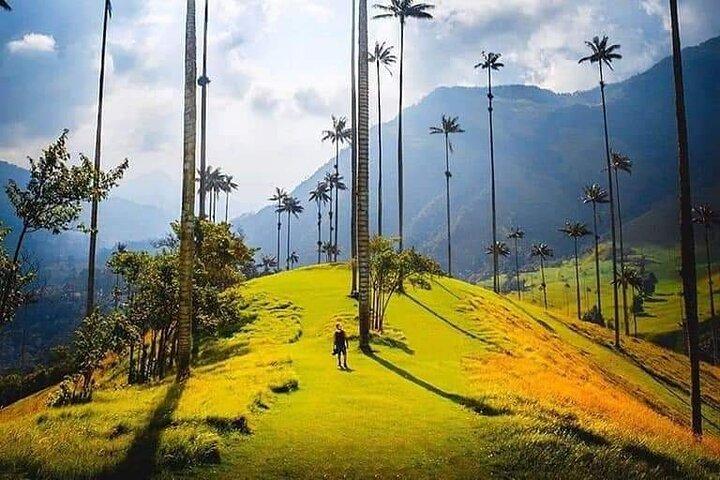
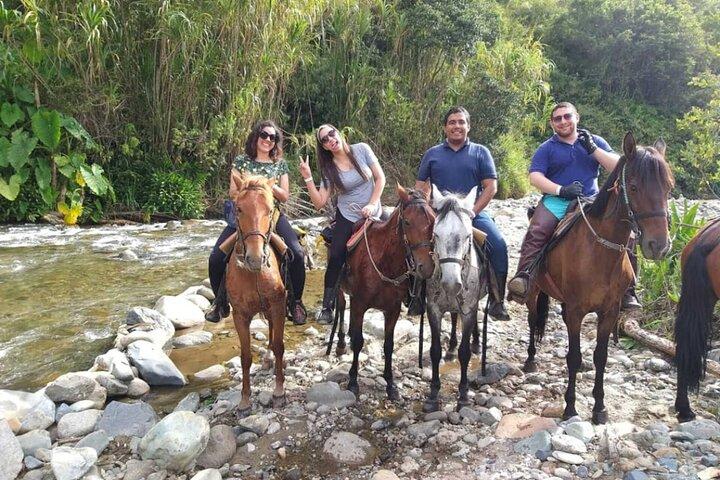
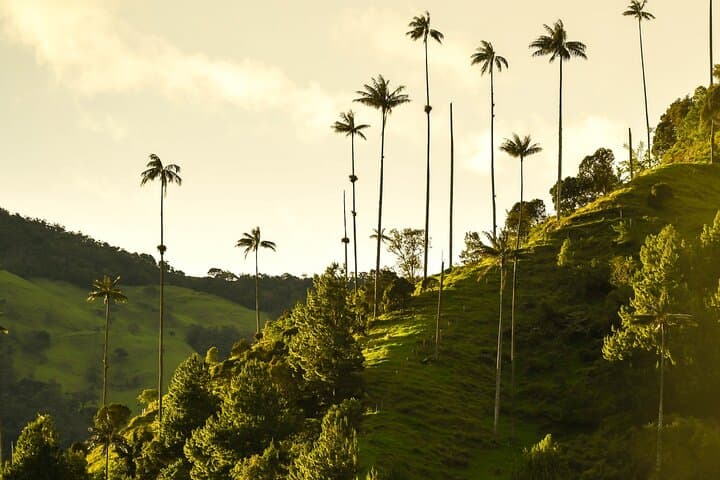
Scenic location along the banks of the Apurímac River.
Gateway to the lush landscapes of the VRAEM region.
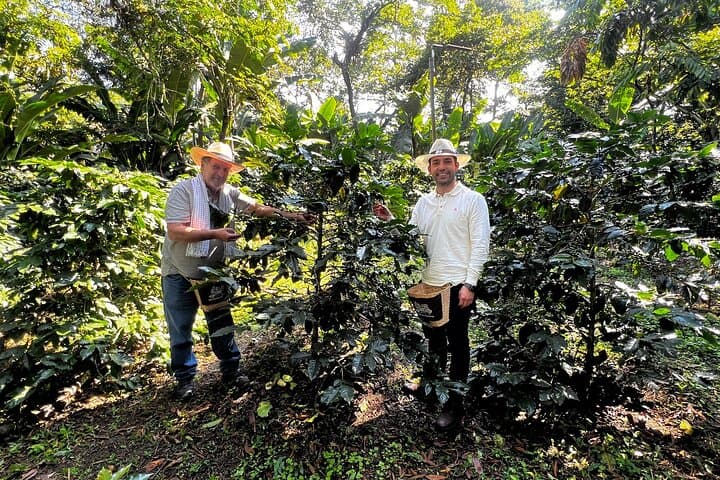
Local agricultural scene focused on cacao and coffee production.
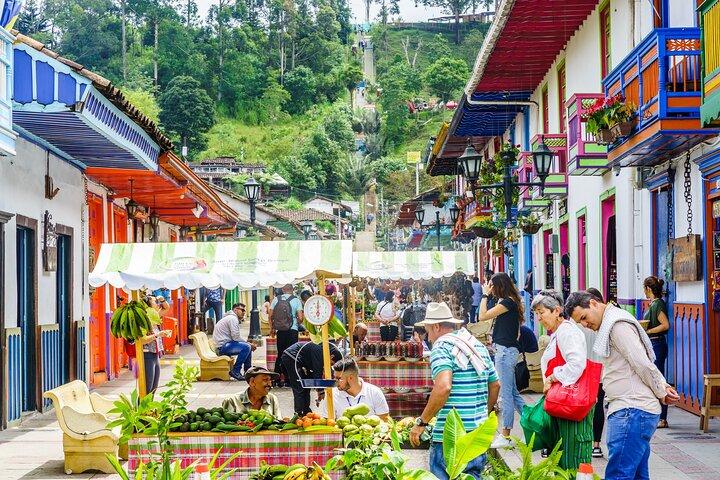
Authentic, non-touristic atmosphere in the Cusco jungle.
Remote location with limited tourist-oriented infrastructure compared to Cusco city.
Tropical climate with a distinct and heavy rainy season that can affect road travel.
Located in the VRAEM region; travelers should stay informed on local travel advisories.
Primarily an agricultural and administrative center rather than a traditional resort town.
The most common way to reach Pichari is via road from Ayacucho or by river transport along the Apurímac.
Prepare for high humidity and tropical rain; lightweight, breathable clothing and insect repellent are essential.
Intrepid explorers and those interested in authentic Peruvian river culture.
PEN S/
$30-$50 p/day
Spanish, Quechua
Sample fresh jungle fruits and river fish, which are staples of the local diet and often sourced daily.
Internet and mobile signals can be spotty in this region, so it is wise to plan your logistics and maps in advance.
May-September
A transition period where rain increases, making the surrounding rainforest exceptionally green and vibrant.
The peak of the rainy season; expect frequent heavy downpours and potential travel delays on unpaved roads.
The rain begins to taper off, making river travel and road access more reliable as the landscape remains lush.
The driest and most accessible time to visit, featuring warm temperatures and clearer skies for exploring the river.