Coastal Travel
The region is well-connected by the Pan-American Highway, making it easy to travel between major coastal towns.
Ica is a prominent region in southern Peru, uniquely positioned between the Pacific Ocean and the rugged interior. It is celebrated for its dramatic geographical diversity, ranging from sun-drenched coastal stretches to expansive desert plains. Visitors are drawn to its deep cultural roots and historical significance, with numerous sites reflecting the region's storied past. Whether you are looking to explore ancient heritage or enjoy the scenic vistas of the Peruvian coast, Ica serves as a versatile destination for both relaxation and exploration.
Ica is a prominent region in southern Peru, uniquely positioned between the Pacific Ocean and the rugged interior. It is celebrated for its dramatic geographical diversity, ranging from sun-drenched coastal stretches to expansive desert plains. Visitors are drawn to its deep cultural roots and historical significance, with numerous sites reflecting the region's storied past. Whether you are looking to explore ancient heritage or enjoy the scenic vistas of the Peruvian coast, Ica serves as a versatile destination for both relaxation and exploration.
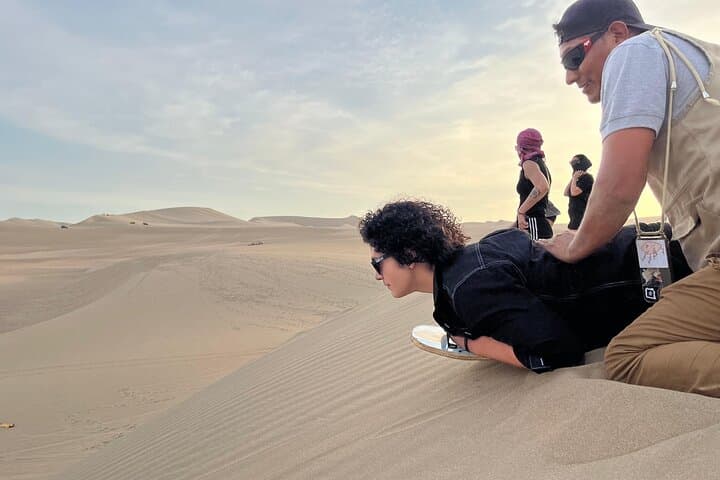
Expansive desert landscapes meeting the Pacific coast.
Rich cultural heritage with numerous historical sites.
Proximity to diverse geographical features and natural beauty.
Gateway to exploring the southern Peruvian coastline.
Extreme temperature shifts between day and night in the desert areas.
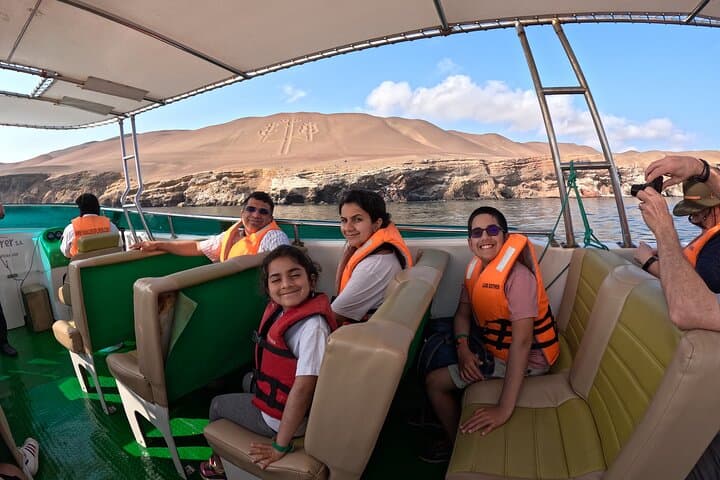
The region is a primary gateway to the famous Nazca Lines and Paracas National Reserve.
Coastal areas can be significantly cooler and mistier than the inland desert.
The region is well-connected by the Pan-American Highway, making it easy to travel between major coastal towns.
The desert environment is very dry; always carry a reusable water bottle during your excursions.
Travelers seeking desert adventures and coastal history.
PEN S/
$50-$100 p/day
Spanish, Quechua
Engage with local guides to better understand the pre-Columbian history and the significance of the region's heritage.
April-June, September-November
Spring offers mild temperatures and clear skies, making it ideal for exploring the desert landscapes.
Summers are hot and sunny, perfect for coastal activities but requiring plenty of hydration in the desert.
Fall brings pleasant, cooler weather, suitable for visiting historical sites and cultural landmarks.
Winters are mild and dry, though coastal areas may experience some mist; it's a great time for sightseeing.