River Transport
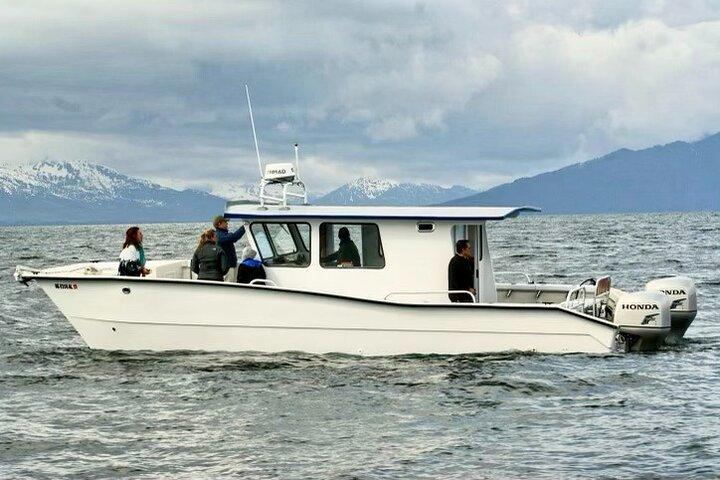
Travel in this region is primarily by boat; be prepared for long journeys on the Putumayo River.
Located deep within the Loreto region of Peru, San Antonio del Estrecho (often called Estrecho) is a significant outpost on the Putumayo River. Serving as the capital of the Putumayo Province, this town of approximately 8,000 residents is a vital link between remote jungle communities and the rest of the country. Visitors will find a rugged, frontier atmosphere where life revolves around the river and the surrounding rainforest. Its proximity to the Colombian border makes it a unique cultural crossroads, though it remains far removed from the typical tourist circuit. The area is characterized by its immense biodiversity and the presence of various indigenous groups, making it a destination for those seeking a truly raw and uncommercialized Amazonian experience.
Located deep within the Loreto region of Peru, San Antonio del Estrecho (often called Estrecho) is a significant outpost on the Putumayo River. Serving as the capital of the Putumayo Province, this town of approximately 8,000 residents is a vital link between remote jungle communities and the rest of the country. Visitors will find a rugged, frontier atmosphere where life revolves around the river and the surrounding rainforest. Its proximity to the Colombian border makes it a unique cultural crossroads, though it remains far removed from the typical tourist circuit. The area is characterized by its immense biodiversity and the presence of various indigenous groups, making it a destination for those seeking a truly raw and uncommercialized Amazonian experience.
Strategic location on the banks of the Putumayo River.
Gateway to exploring the remote northern Peruvian Amazon.
Authentic frontier atmosphere near the border with Colombia.
Access to unique biodiversity and indigenous cultures.
Capital of the Putumayo Province with a population of 8,000.
Extremely remote location with limited infrastructure.
Proximity to the international border requires proper documentation.
Tropical climate with high humidity and frequent rainfall.
Limited tourism services compared to more developed hubs like Iquitos.
Travel in this region is primarily by boat; be prepared for long journeys on the Putumayo River.
Expect limited to no ATM access; carry sufficient Peruvian Soles in small denominations.
Intrepid explorers and those interested in remote Amazonian river culture.
PEN S/.
$30-$60 p/day
Spanish, Indigenous languages
Internet and mobile signals are often weak or non-existent in this remote area.
Consult a travel clinic regarding yellow fever and malaria precautions before visiting the deep Amazon.
June-September
The transition between seasons brings fluctuating river levels; expect humid conditions and occasional heavy storms.
This period coincides with the wetter season; river navigation is easier but jungle trails can be very muddy.
As the rains begin to subside, the landscape remains lush and the river levels are at their peak.
The 'dry' season is the best time for visiting, as rainfall is less frequent and heat is slightly more manageable.