Transport
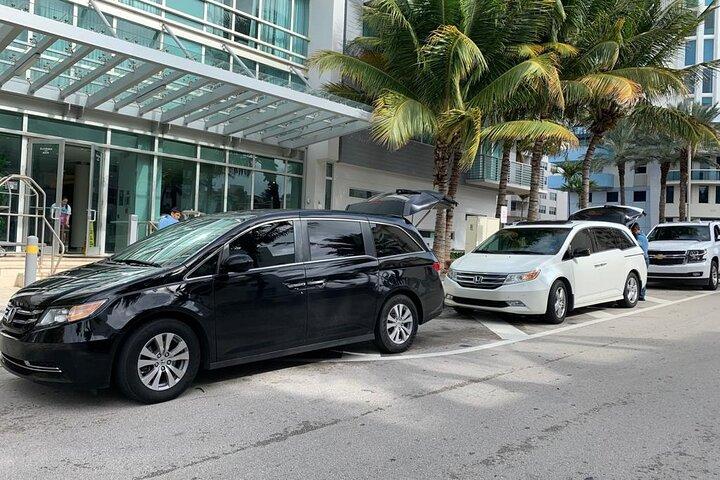
Most visitors arrive via private vehicle or organized tour from Paramaribo, as public transportation can be infrequent and time-consuming.
Brokopondo serves as the administrative heart of its namesake district in Suriname. Located south of Paramaribo, the town is most famous as the jumping-off point for visitors heading to the Brokopondo Reservoir, one of the largest man-made lakes in the world. The town's atmosphere is a unique blend of local life and the industrial legacy of the nearby Afobaka Dam. Travelers often use Brokopondo as a base to access remote eco-resorts, enjoy freshwater fishing on the Suriname River, or witness the hauntingly beautiful submerged trees of the reservoir. It provides a rugged and authentic experience for those looking to venture beyond the coastal capital.
Brokopondo serves as the administrative heart of its namesake district in Suriname. Located south of Paramaribo, the town is most famous as the jumping-off point for visitors heading to the Brokopondo Reservoir, one of the largest man-made lakes in the world. The town's atmosphere is a unique blend of local life and the industrial legacy of the nearby Afobaka Dam. Travelers often use Brokopondo as a base to access remote eco-resorts, enjoy freshwater fishing on the Suriname River, or witness the hauntingly beautiful submerged trees of the reservoir. It provides a rugged and authentic experience for those looking to venture beyond the coastal capital.
Gateway to the expansive Brokopondo Reservoir.
Access point for the Suriname River and boat excursions.
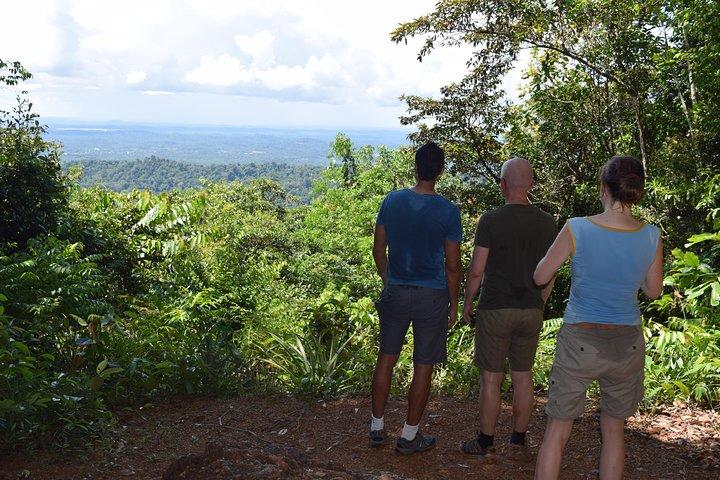
Starting point for inland eco-tours and rainforest exploration.
Proximity to the Afobaka Dam and its unique landscape.
Authentic administrative center with a small-town atmosphere.
Proximity to the Brokopondo Reservoir and the Afobaka Dam.
Limited tourist infrastructure compared to the capital city.
Tropical climate with high humidity and significant seasonal rainfall.
Most visitors arrive via private vehicle or organized tour from Paramaribo, as public transportation can be infrequent and time-consuming.
Stock up on essentials, snacks, and specialized gear in town before heading further into the reservoir or rainforest areas where shops are scarce.
Nature enthusiasts and travelers exploring Suriname's interior.
SRD $
$50-$100 p/day
Dutch, Sranan Tongo, English
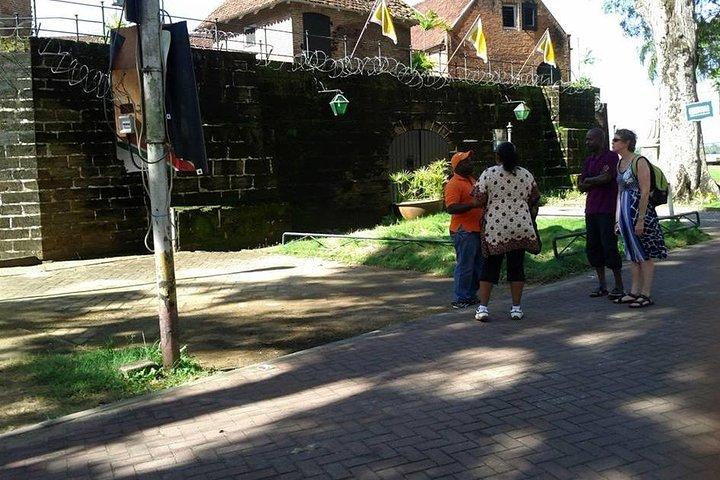
Consider hiring a local guide to explore the reservoir safely and learn about the history of the villages that were relocated during its creation.
February-April, August-November
The short dry season from February to April is excellent for outdoor exploration and river travel with manageable temperatures.
The long rainy season from May to mid-August brings heavy downpours, which can make interior roads more challenging to navigate.
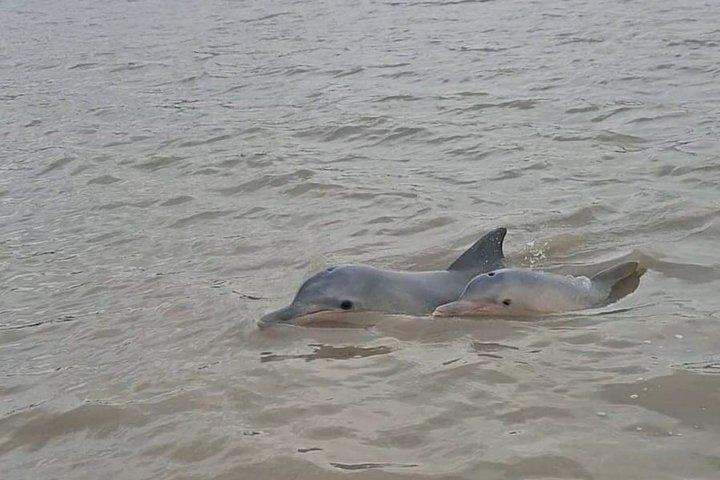
The long dry season from mid-August to November is the hottest time but ideal for spotting wildlife and visiting the reservoir.
The short rainy season in December and January features intermittent rain but keeps the landscape lush and vibrant.