Local Cuisine
Try traditional Moroccan dishes like tagine and couscous, and don't miss the mint tea.
Morocco, officially the Kingdom of Morocco, is a captivating country located in the Maghreb region of North Africa. With coastlines along the Mediterranean Sea and the Atlantic Ocean, it boasts a diverse range of landscapes, from the vast Sahara Desert to the rugged Atlas Mountains. The country's rich cultural tapestry is woven from Arab, Berber, African, and European influences, making it a unique destination for travelers. Visitors can explore historical medinas, vibrant markets, and stunning architectural sites that reflect a blend of Islamic and Moorish styles. The capital city, Rabat, and the bustling metropolis of Casablanca offer a taste of modern Moroccan life, while cities like Marrakech and Fez are steeped in history and tradition. Morocco's strategic location and historical significance have shaped its development into a middle power in global affairs, with a stable political environment and a growing economy.
Morocco, officially the Kingdom of Morocco, is a captivating country located in the Maghreb region of North Africa. With coastlines along the Mediterranean Sea and the Atlantic Ocean, it boasts a diverse range of landscapes, from the vast Sahara Desert to the rugged Atlas Mountains. The country's rich cultural tapestry is woven from Arab, Berber, African, and European influences, making it a unique destination for travelers. Visitors can explore historical medinas, vibrant markets, and stunning architectural sites that reflect a blend of Islamic and Moorish styles. The capital city, Rabat, and the bustling metropolis of Casablanca offer a taste of modern Moroccan life, while cities like Marrakech and Fez are steeped in history and tradition. Morocco's strategic location and historical significance have shaped its development into a middle power in global affairs, with a stable political environment and a growing economy.
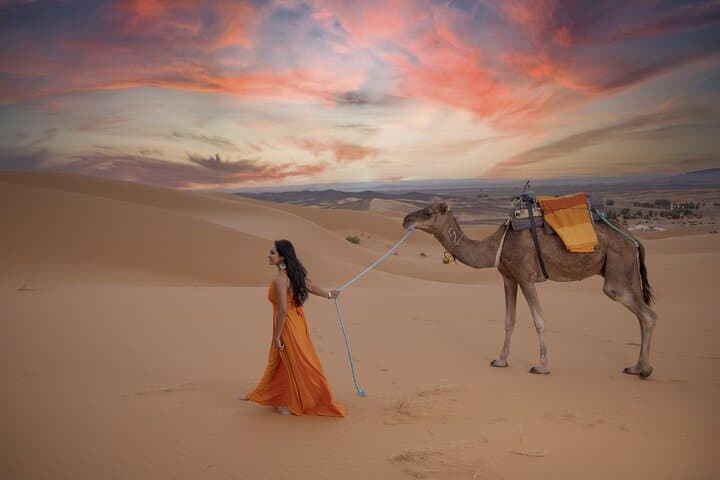
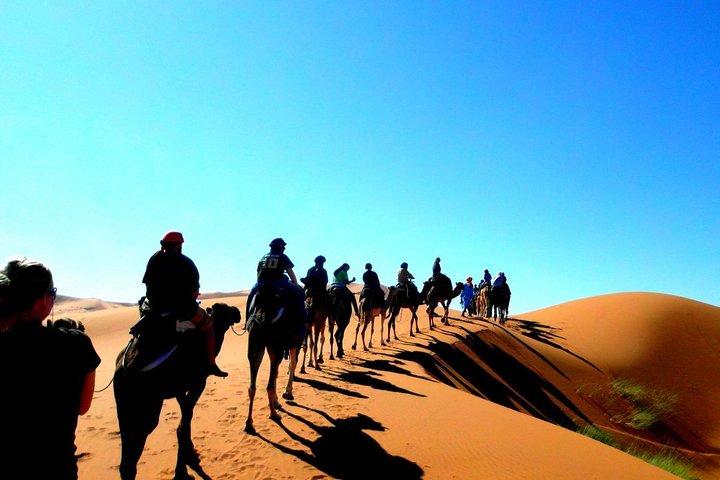
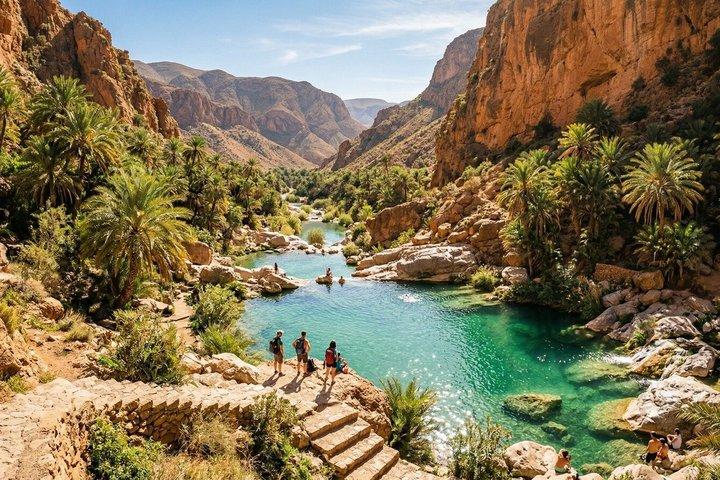
Stunning landscapes from the Sahara Desert to the Atlas Mountains.
Rich cultural blend of Arab, Berber, and European influences.
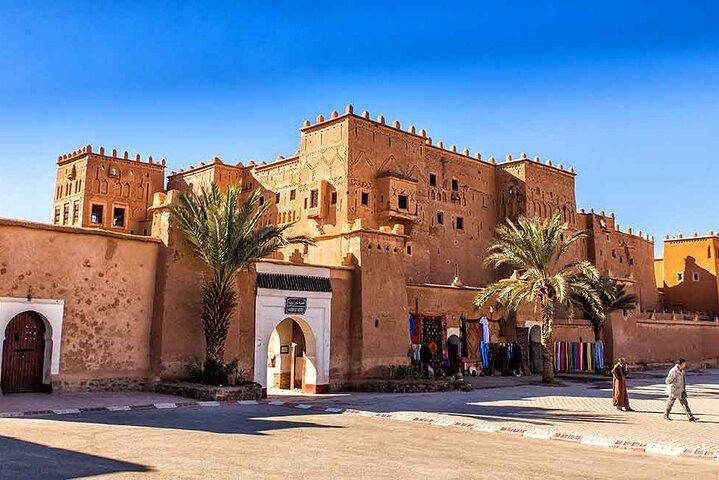
Historical sites like the medinas of Fez and Marrakech.
Vibrant markets offering traditional crafts and foods.
Unique architectural styles with Islamic and Moorish elements.
Rich cultural heritage with Arab, Berber, and European influences.
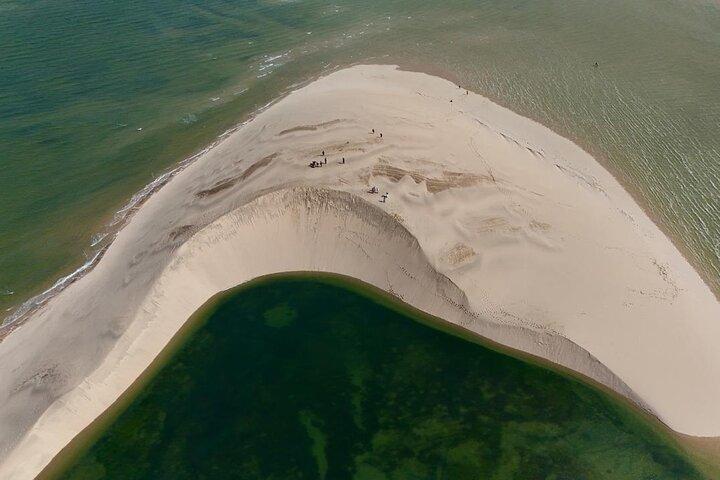
Diverse landscapes including deserts, mountains, and coastlines.
Historical significance as a former regional power with unique architectural styles.
Try traditional Moroccan dishes like tagine and couscous, and don't miss the mint tea.
Utilize the country's extensive train network for comfortable travel between major cities.
Exploring diverse landscapes and rich cultural heritage.
MAD د.م.
$50-$100 p/day
Arabic, Berber, French
Dress modestly, especially in rural areas and religious sites, to respect local customs.
Bargain in markets and souks to get the best prices on crafts and souvenirs.
While Arabic and Berber are official languages, French is widely spoken, making communication easier for French speakers.
March-MaySeptember-November
Spring is an ideal time to visit Morocco, with pleasant weather and vibrant landscapes.
Summers can be hot, especially in the desert regions, but coastal areas remain cooler.
Fall offers mild temperatures and is perfect for exploring cities and historical sites.
Winters are mild, making it a good time to visit the Sahara Desert for a unique experience.