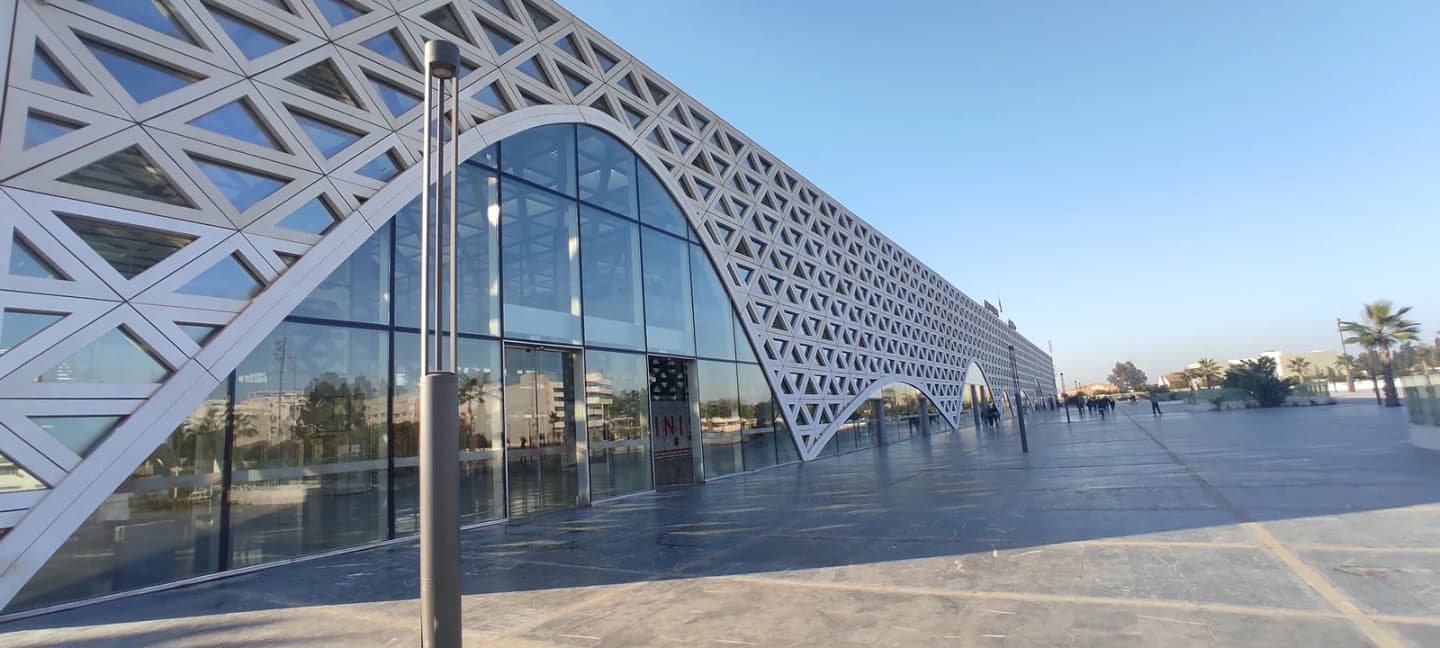


Coastal Transport
Use the modern tramway system to easily travel between the historical sites of Rabat and the neighboring city of Salé.
Rabat-Salé-Kénitra is a cornerstone of Moroccan identity, stretching along the north-western coast and housing the nation's capital, Rabat. The region is defined by its impressive historical landmarks, including ancient medinas and colonial-era architecture, contrasted against the refreshing backdrop of the Atlantic Ocean. Visitors can explore the twin cities of Rabat and Salé, divided by the Bou Regreg river, or venture to the industrial and agricultural hub of Kénitra. With its diverse landscapes ranging from sandy beaches to fertile plains, the region offers a deep dive into Moroccan heritage, governance, and scenic beauty.
Rabat-Salé-Kénitra is a cornerstone of Moroccan identity, stretching along the north-western coast and housing the nation's capital, Rabat. The region is defined by its impressive historical landmarks, including ancient medinas and colonial-era architecture, contrasted against the refreshing backdrop of the Atlantic Ocean. Visitors can explore the twin cities of Rabat and Salé, divided by the Bou Regreg river, or venture to the industrial and agricultural hub of Kénitra. With its diverse landscapes ranging from sandy beaches to fertile plains, the region offers a deep dive into Moroccan heritage, governance, and scenic beauty.
Home to the capital city, Rabat, and its UNESCO-listed historical sites.
Extensive Atlantic coastline featuring popular beaches and seaside promenades.
Rich architectural heritage spanning from ancient ruins to modern urban design.
Vibrant cultural scenes in the major hubs of Rabat, Salé, and Kénitra.
The region serves as the political hub of Morocco, meaning some areas may have increased security or official closures.
Coastal weather can be humid and breezy, especially during the evening hours.
While French and Arabic are widely spoken, English is becoming more common in tourist areas of Rabat.
Use the modern tramway system to easily travel between the historical sites of Rabat and the neighboring city of Salé.
Dress modestly when visiting religious or historical sites to respect local Moroccan traditions and customs.
Cultural exploration and scenic coastal getaways.
MAD د.م.
$60-$120 p/day
Arabic, French, Berber
Explore the medinas for authentic crafts and traditional Moroccan street food, which are often more affordable than in tourist-heavy cities.
March-May, September-November
Mild temperatures and blooming landscapes make this the peak time for sightseeing in Rabat and surrounding areas.
The coastal location provides a cooler escape from the inland heat, though beaches can become very crowded with local holidaymakers.
Pleasant weather and fewer crowds offer an ideal environment for exploring historical monuments and outdoor markets.
Cooler and occasionally rainy, but still suitable for visiting museums and enjoying the region's vibrant cafe culture.


