Local Cuisine
Try traditional Persian dishes such as kebabs, stews, and saffron-infused rice.
Iran, historically known as Persia, is a country in West Asia with a rich tapestry of cultural and historical landmarks. It offers a unique blend of ancient civilizations, stunning landscapes, and vibrant cultural traditions. Visitors can explore its 29 UNESCO World Heritage Sites, experience the diverse geography ranging from mountains to deserts, and immerse themselves in the arts and literature that have flourished here for centuries. As the focal point of Shia Islam, Iran also holds significant religious importance. Despite its complex political landscape, Iran remains a captivating destination for those interested in history and culture.
Iran, historically known as Persia, is a country in West Asia with a rich tapestry of cultural and historical landmarks. It offers a unique blend of ancient civilizations, stunning landscapes, and vibrant cultural traditions. Visitors can explore its 29 UNESCO World Heritage Sites, experience the diverse geography ranging from mountains to deserts, and immerse themselves in the arts and literature that have flourished here for centuries. As the focal point of Shia Islam, Iran also holds significant religious importance. Despite its complex political landscape, Iran remains a captivating destination for those interested in history and culture.
Home to 29 UNESCO World Heritage Sites.
Rich history from the Achaemenid Empire to modern times.
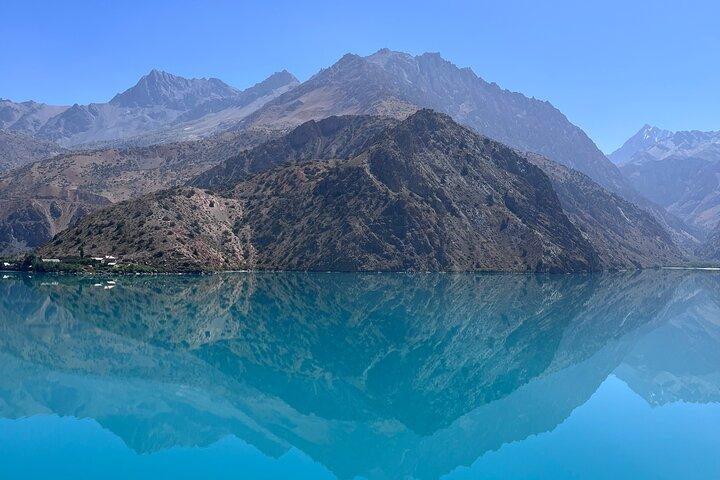
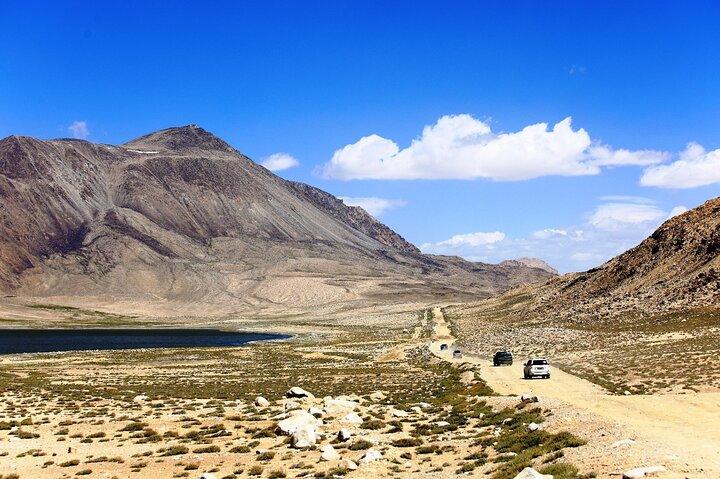
Diverse landscapes from mountains to deserts.
Culturally significant as the focal point of Shia Islam.
Vibrant arts and literature scene.
Rich cultural heritage with numerous UNESCO World Heritage Sites.
Diverse landscapes ranging from mountains to deserts.
Significant religious and historical importance.
Try traditional Persian dishes such as kebabs, stews, and saffron-infused rice.
Dress modestly and be respectful of local customs, especially in religious sites.
History enthusiasts and cultural explorers.
IRR ﷼
$50-$100 p/day
Persian, Azerbaijani, Kurdish
Iran has an extensive bus and rail network, making it easy to travel between cities.
Iran is generally safe for tourists, but it's important to stay informed about local news and regulations.
April-JuneSeptember-November
Spring is the ideal time to visit Iran, with mild temperatures and blooming landscapes.
Summers can be very hot, especially in desert regions, but it's a great time for mountain trekking.
Fall offers pleasant weather, making it a great time to explore cultural sites and cities.
Winters can be cold, especially in northern regions, but offer a unique experience in the snow-covered landscapes.