Local Cuisine
Explore local agricultural products like maize and rice.


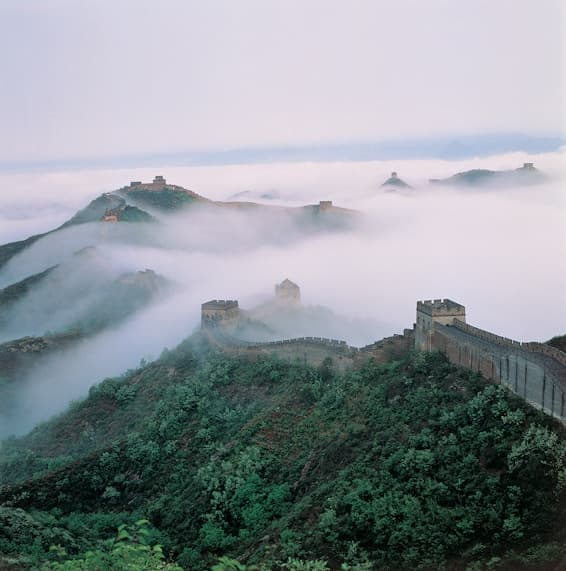

Songwŏn County, located in Chagang province, North Korea, is a region characterized by its mountainous landscape and extensive forest cover. The county is primarily involved in logging, with 93% of the area covered by forests. The Ch'ongch'ŏn and Chungman Rivers traverse the county, contributing to its relatively wet continental climate. Agriculture, including maize and rice cultivation, and livestock farming are also significant. The Chungman reservoir, completed in 1980, provides hydroelectric power, highlighting the county's resourcefulness in utilizing natural resources.
Songwŏn County, located in Chagang province, North Korea, is a region characterized by its mountainous landscape and extensive forest cover. The county is primarily involved in logging, with 93% of the area covered by forests. The Ch'ongch'ŏn and Chungman Rivers traverse the county, contributing to its relatively wet continental climate. Agriculture, including maize and rice cultivation, and livestock farming are also significant. The Chungman reservoir, completed in 1980, provides hydroelectric power, highlighting the county's resourcefulness in utilizing natural resources.
Mountainous terrain with peaks like Koambong.
Extensive forest cover, ideal for logging.
Ch'ongch'ŏn and Chungman Rivers flow through the area.
Continental climate with a relatively wet environment.
Hydroelectric power from the Chungman reservoir.
Mountainous terrain ideal for hiking and exploration.
Extensive forest cover supports a robust logging industry.
Hydroelectric power generated from the Chungman reservoir.
Explore local agricultural products like maize and rice.
Take advantage of the extensive forest cover for nature walks.
Nature enthusiasts and those interested in logging and agriculture.
KPW ₩
$50-$100 p/day
Korean
Prepare for a continental climate with frost from October to April.
April-JuneSeptember-November
Spring offers a pleasant climate for exploring the natural surroundings.
Summers are relatively wet, ideal for experiencing the lush greenery.
Fall is a beautiful time to witness the changing foliage in the forests.
Winters are cold with frost, suitable for experiencing the serene snowy landscapes.