Permit Requirements
Ensure all specialized permits and state-approved guides are arranged well in advance, as access is strictly regulated.

Chagang Province is situated in the mountainous interior of northern North Korea, sharing a long border with China. The region is defined by its challenging geography, with the Rangrim Mountains creating a landscape of steep peaks and narrow valleys. As a major industrial center, the provincial capital of Kanggye houses numerous manufacturing facilities integrated into the formidable natural environment. Due to its high elevation, the province experiences a harsh climate with long, cold winters and short, temperate summers. Access to this secluded area is strictly regulated, typically requiring specialized permits and state-approved guides for the few who visit.
Chagang Province is situated in the mountainous interior of northern North Korea, sharing a long border with China. The region is defined by its challenging geography, with the Rangrim Mountains creating a landscape of steep peaks and narrow valleys. As a major industrial center, the provincial capital of Kanggye houses numerous manufacturing facilities integrated into the formidable natural environment. Due to its high elevation, the province experiences a harsh climate with long, cold winters and short, temperate summers. Access to this secluded area is strictly regulated, typically requiring specialized permits and state-approved guides for the few who visit.
The dramatic peaks of the Rangrim Mountain range.
Industrial landscapes integrated into steep, narrow valleys.
A glimpse into the provincial capital of Kanggye.
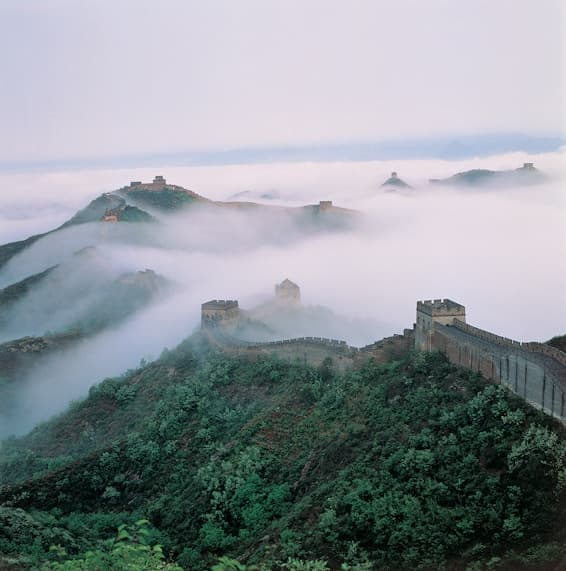
Starkly beautiful northern border scenery.
Challenging mountainous terrain with steep peaks and narrow valleys.
Strictly regulated access requiring specialized government approval.
Limited tourist infrastructure compared to more accessible regions.
Ensure all specialized permits and state-approved guides are arranged well in advance, as access is strictly regulated.
Pack for extreme cold if visiting outside of the short summer months, as the high elevation leads to harsh winters.
Industrial history enthusiasts and those seeking remote, mountainous landscapes.
KPW ₩
Korean
Be aware of local regulations regarding photography, especially near industrial facilities and manufacturing hubs.
June-August
Temperatures begin to rise, but the terrain remains rugged and often muddy from snowmelt.
The short, temperate summer is the most accessible time for travel, offering milder weather.
Cooler temperatures return quickly; the landscape turns brittle as the region prepares for a long winter.
Extremely harsh and cold; travel is difficult due to heavy snow and freezing temperatures in the mountains.