Local Industry
The main industry in Songwŏn-ŭp is logging due to its extensive forests.


Songwŏn-ŭp is a county in the southwestern part of Chagang province, North Korea, characterized by its mountainous terrain and extensive forest coverage. The region is a significant logging hub, with 93% of the area covered by forests. The Ch'ongch'ŏn and Chungman Rivers add to the natural beauty, making it an appealing destination for nature lovers. The climate is continental, with frost beginning in early October and lifting in late April. Agriculture also plays a role in the local economy, with crops like maize and rice being cultivated.
Songwŏn-ŭp is a county in the southwestern part of Chagang province, North Korea, characterized by its mountainous terrain and extensive forest coverage. The region is a significant logging hub, with 93% of the area covered by forests. The Ch'ongch'ŏn and Chungman Rivers add to the natural beauty, making it an appealing destination for nature lovers. The climate is continental, with frost beginning in early October and lifting in late April. Agriculture also plays a role in the local economy, with crops like maize and rice being cultivated.
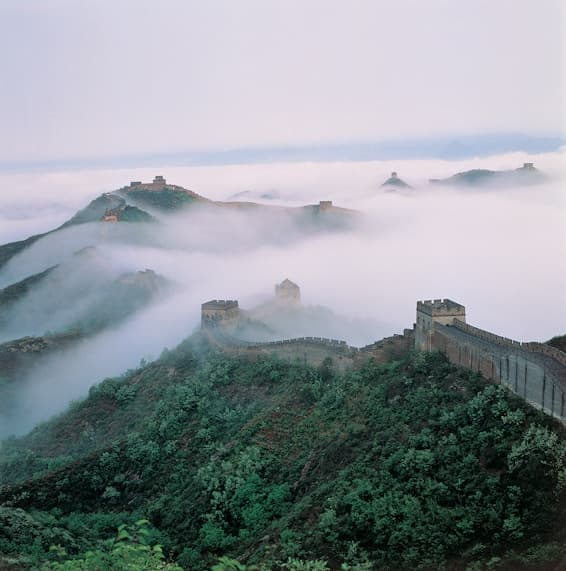
Mountainous terrain with peaks like Koambong.
Dense forest coverage ideal for logging.
Ch'ongch'ŏn and Chungman Rivers flow through the area.
Continental climate with early frost.
Mountainous terrain ideal for hiking and exploration.
Dense forests make it a hub for logging.
Continental climate with significant frost periods.
The main industry in Songwŏn-ŭp is logging due to its extensive forests.
Expect early frost from October and a wet continental climate.
Nature enthusiasts and those interested in rural life.
KPW ₩
$50-$100 p/day
Korean
The Ch'ongch'ŏn and Chungman Rivers flow through the area, adding to its natural beauty.
Nature, Exploration
April-JuneSeptember-October
Spring is a good time to visit as the frost lifts and the landscape begins to bloom.
Summers are wet but ideal for exploring the lush forests.
Early fall offers a chance to see the changing foliage before the frost sets in.
Winters can be harsh with early frost, best avoided unless prepared for cold conditions.