Getting Around
Cavite City is accessible via land and sea, with ferries connecting to nearby islands.

Cavite City, officially known as the City of Cavite, is a component city in the Philippines with a population of approximately 98,673 people. It was the capital of Cavite Province from 1614 until 1954 and played a crucial role as the main seaport of Manila during the Spanish colonial period. The city was a hub for the Manila-Acapulco galleon trade, making it a significant maritime center. Today, Cavite City encompasses several communities, including San Antonio and the historic Corregidor Island, offering visitors a glimpse into its rich cultural and historical tapestry.
Cavite City, officially known as the City of Cavite, is a component city in the Philippines with a population of approximately 98,673 people. It was the capital of Cavite Province from 1614 until 1954 and played a crucial role as the main seaport of Manila during the Spanish colonial period. The city was a hub for the Manila-Acapulco galleon trade, making it a significant maritime center. Today, Cavite City encompasses several communities, including San Antonio and the historic Corregidor Island, offering visitors a glimpse into its rich cultural and historical tapestry.
Historic role as Manila's main seaport during Spanish colonial times.
Home to the Manila-Acapulco galleon trade.
Includes historic Corregidor Island.
Rich cultural heritage with Chavacano influences.
Close access to historical sites like Corregidor Island.
Rich maritime and colonial history.
Cultural blend of Filipino and Spanish influences.
Cavite City is accessible via land and sea, with ferries connecting to nearby islands.
Try local delicacies such as Chavacano-inspired dishes.
History buffs and maritime enthusiasts.
PHP ₱
$50-$100 p/day
Filipino, English
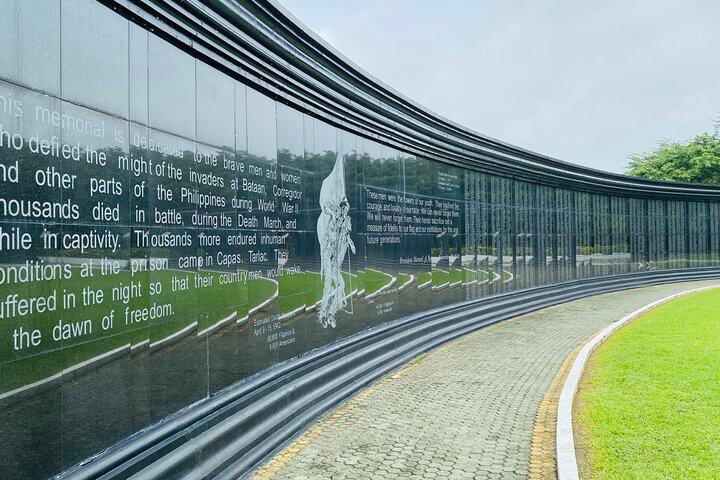
Visit Corregidor Island for a deep dive into the city's historical significance.
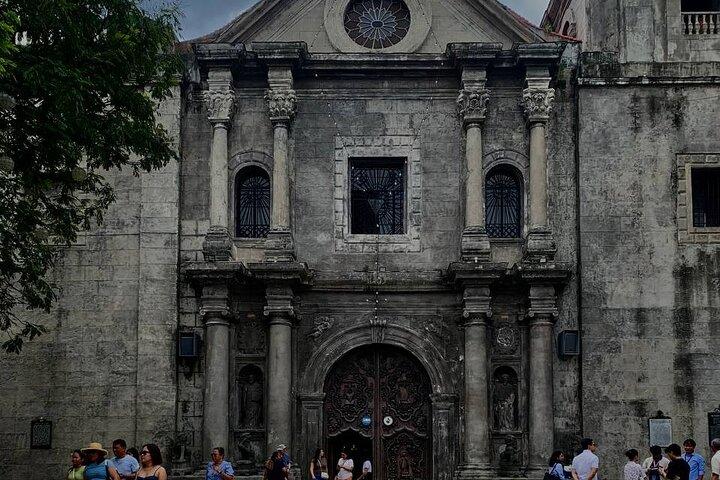
Explore the blend of Filipino and Spanish influences in local architecture and festivals.
Tourists, History Lovers, Cultural Exploration
November to February
Spring is a pleasant time to visit with mild weather, perfect for exploring historical sites.
Summers can be hot and humid, but it's a great time to enjoy coastal activities.
Fall offers cooler temperatures and fewer tourists, ideal for sightseeing.
Winters are mild and a good time to explore the city's cultural heritage without the crowds.