Getting Around
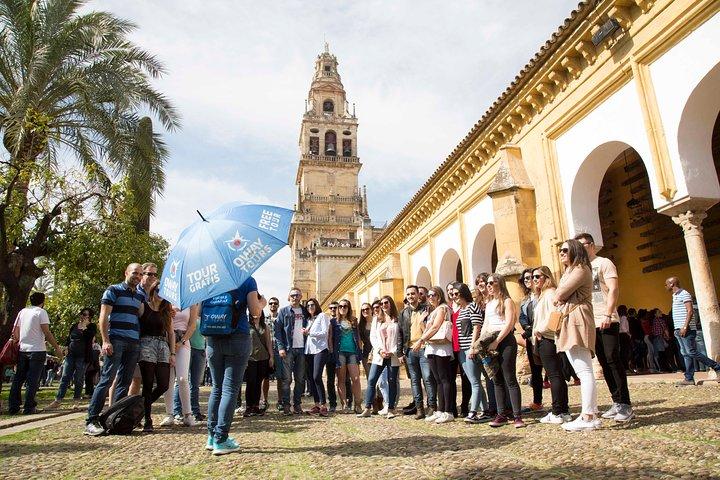
Córdoba is best explored on foot, especially the historic center.
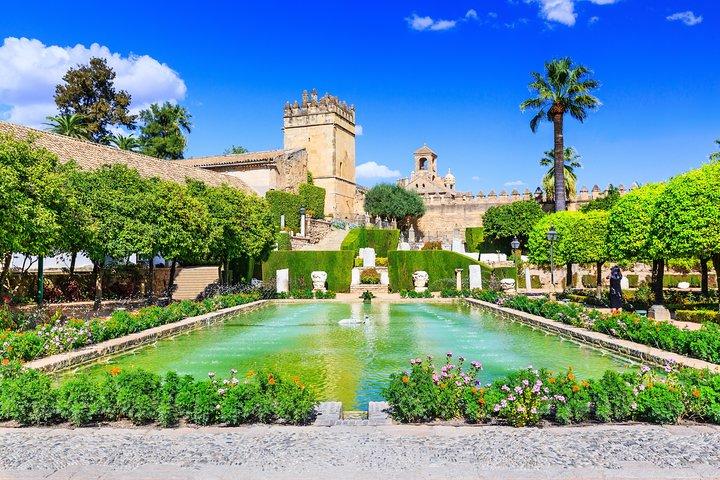
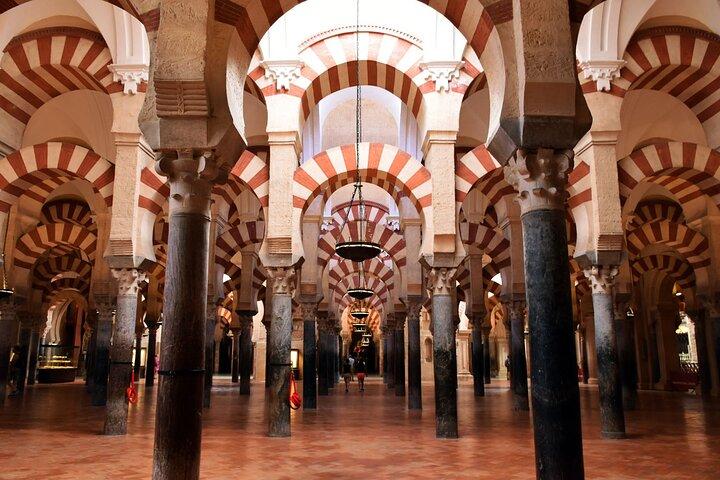
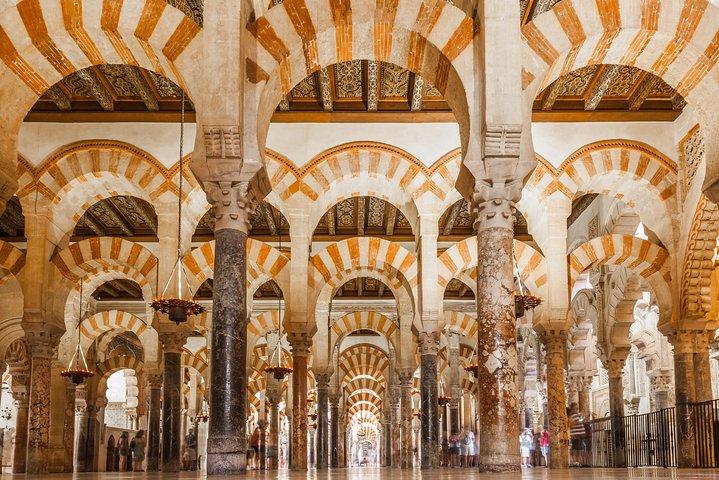
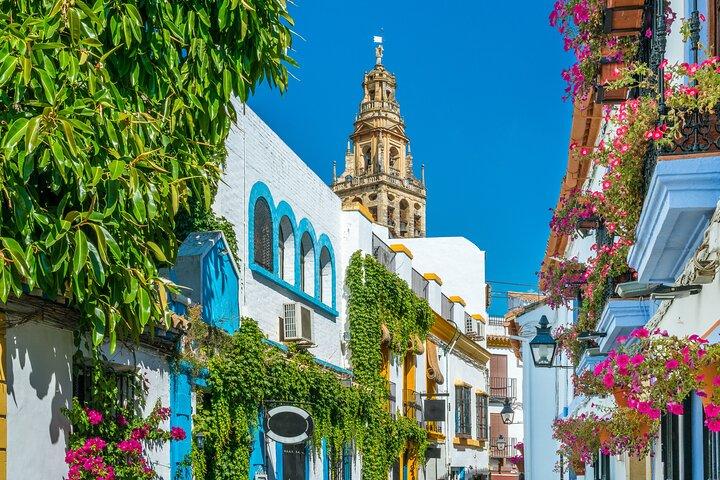
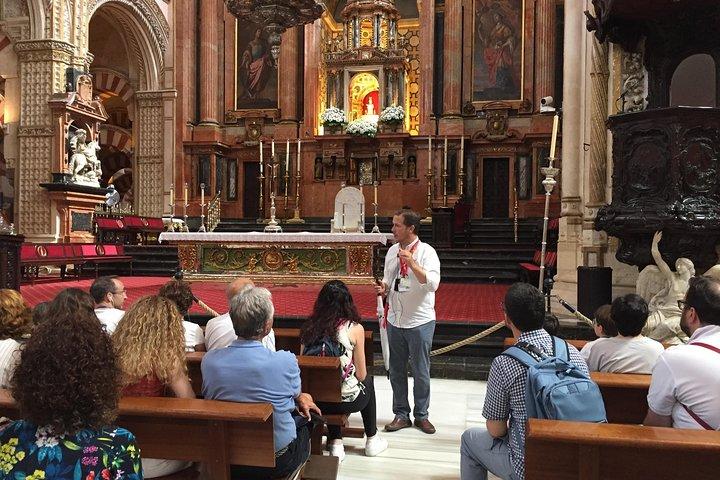
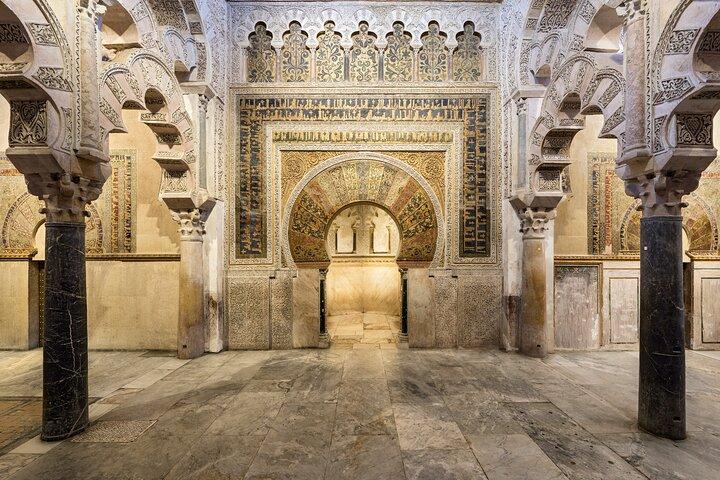
Córdoba, located in the heart of Andalusia, Spain, is a city steeped in history and culture. Known for its remarkable Moorish architecture, the city is home to the Mezquita-Catedral, a UNESCO World Heritage Site that reflects its rich past. Once the capital of the Caliphate of Córdoba, it was a center of education and learning during the Umayyad dynasty. Visitors can explore the historic center, also a World Heritage Site, and the nearby Madinat al-Zahra. The city is vibrant with cultural events like the Festival de los Patios, recognized as UNESCO Intangible Cultural Heritage. With its blend of Roman, Visigothic, and Muslim influences, Córdoba offers a unique journey through time.
Córdoba, located in the heart of Andalusia, Spain, is a city steeped in history and culture. Known for its remarkable Moorish architecture, the city is home to the Mezquita-Catedral, a UNESCO World Heritage Site that reflects its rich past. Once the capital of the Caliphate of Córdoba, it was a center of education and learning during the Umayyad dynasty. Visitors can explore the historic center, also a World Heritage Site, and the nearby Madinat al-Zahra. The city is vibrant with cultural events like the Festival de los Patios, recognized as UNESCO Intangible Cultural Heritage. With its blend of Roman, Visigothic, and Muslim influences, Córdoba offers a unique journey through time.
Mezquita-Catedral, a UNESCO World Heritage Site.
Historic center with Moorish architecture.
Madinat al-Zahra, another World Heritage Site.
Festival de los Patios, UNESCO Intangible Cultural Heritage.
Rich blend of Roman, Visigothic, and Muslim history.
Close access to the Guadalquivir River for scenic walks.
Rich cultural heritage with several UNESCO World Heritage Sites.
Known for its high summer temperatures, plan accordingly.
Córdoba is best explored on foot, especially the historic center.
Try local specialties like salmorejo and flamenquín.
History buffs and architecture lovers.
EUR €
$100-$200 p/day
Spanish, English
Respect local customs, especially when visiting religious sites.
Summers can be extremely hot, so plan indoor activities during midday.
Tourists, Cultural Exploration, History
April-JuneSeptember-November
Spring is ideal for visiting Córdoba, with pleasant temperatures and blooming patios.
Summers are extremely hot, often exceeding 37°C, so stay hydrated and plan for indoor activities.
Fall offers mild weather and fewer tourists, perfect for exploring the city.
Winters are mild with occasional rain, a good time to visit museums and historical sites.