Historical Insight
Visit the local museum to learn about the German and Flemish settlers who originally populated the town.
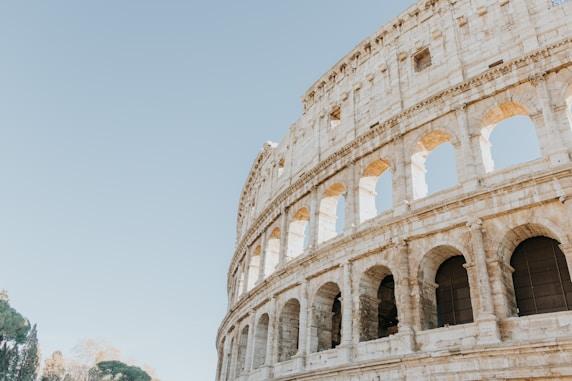
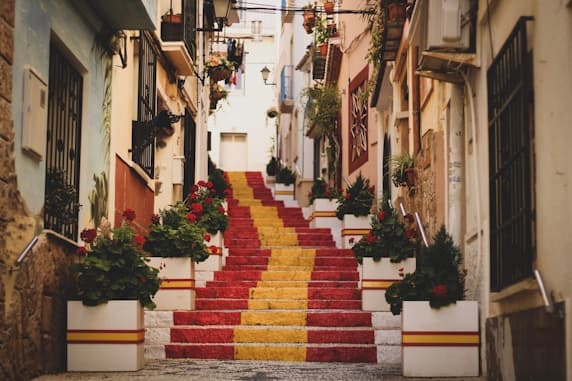


La Carlota stands out in the Andalusian landscape due to its unique origins as one of the 'New Towns' founded by King Charles III in 1767. Unlike the winding streets of older Spanish cities, it features a rationalist, grid-based layout designed to colonize the Sierra Morena region. Visitors can explore the neoclassical Parish Church of the Immaculate Conception and the former Royal Inn, which reflect the town's administrative history. Its location in the fertile Guadalquivir valley makes it a center for local agriculture, particularly olives and cereals. The town serves as a quiet, authentic base for travelers wanting to explore the nearby city of Córdoba while staying in a more relaxed, traditional environment.
La Carlota stands out in the Andalusian landscape due to its unique origins as one of the 'New Towns' founded by King Charles III in 1767. Unlike the winding streets of older Spanish cities, it features a rationalist, grid-based layout designed to colonize the Sierra Morena region. Visitors can explore the neoclassical Parish Church of the Immaculate Conception and the former Royal Inn, which reflect the town's administrative history. Its location in the fertile Guadalquivir valley makes it a center for local agriculture, particularly olives and cereals. The town serves as a quiet, authentic base for travelers wanting to explore the nearby city of Córdoba while staying in a more relaxed, traditional environment.
Unique 18th-century grid-based urban planning.
Neoclassical architecture including the Royal Inn.
Strategic location in the heart of Andalusia.
Authentic local atmosphere away from crowds.
As a residential town, English may not be widely spoken in smaller shops and cafes.
Many local businesses close in the afternoon, typically between 14:00 and 17:00.
The region experiences some of Europe's highest temperatures in July and August.
Visit the local museum to learn about the German and Flemish settlers who originally populated the town.
Use the town as a quieter alternative to staying in Córdoba, which is only a 30-minute drive away.
History enthusiasts and travelers exploring the Andalusian countryside.
EUR €
$70-$110 p/day
Spanish, English
Look for bakeries selling traditional Andalusian sweets and local olive oils.
April-June, September-October
The ideal time to visit for comfortable temperatures and local festivals.
Very hot and dry; plan for indoor activities or early morning excursions.
Great weather for exploring the surrounding countryside and olive groves.
Mild and quiet, though some rainy days are possible.