Local Cuisine
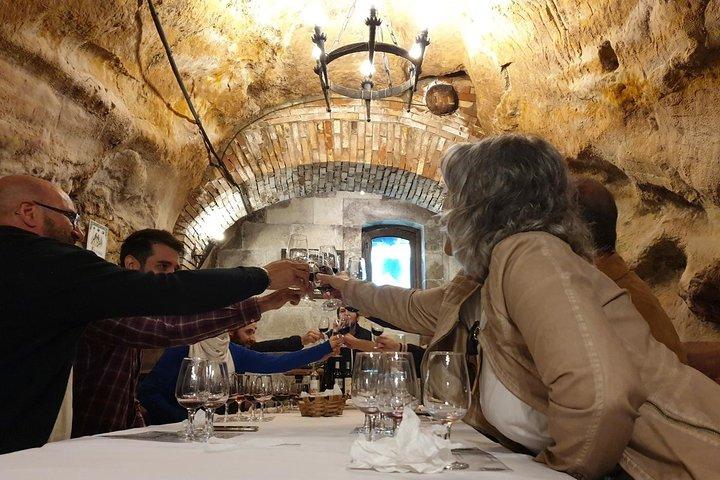
Burgos is famous for its black pudding (morcilla) and roast lamb, so be sure to try these local specialties.
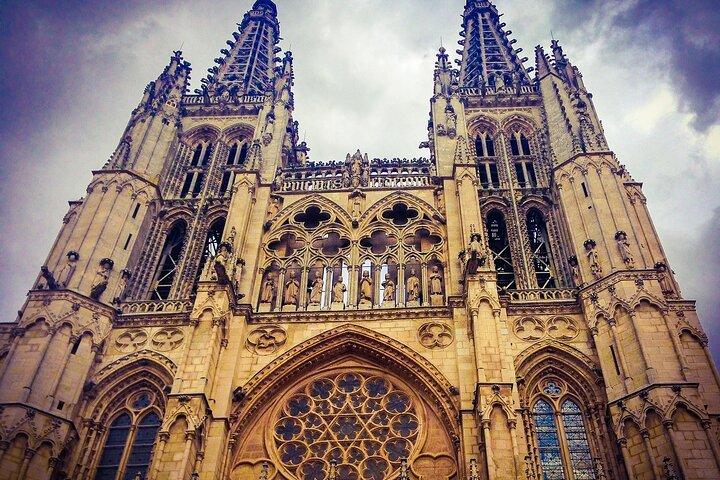
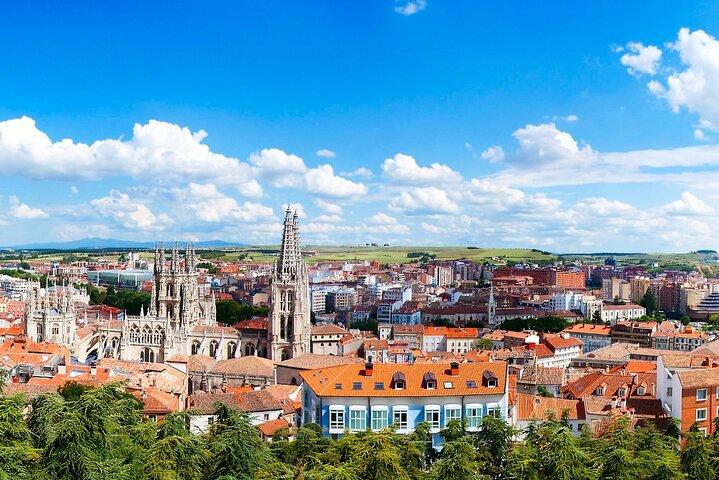
Burgos, a city in northern Spain's Castile and León region, is renowned for its historical significance and cultural richness. Founded in 884, it became a major trading hub by the 13th century due to its strategic location. The city's iconic Cathedral of Burgos, a UNESCO World Heritage Site, and the Museum of Human Evolution are must-visit attractions. Burgos was also the Spanish Gastronomy Capital in 2013, reflecting its culinary excellence. Visitors can explore its historical sites, enjoy its vibrant cultural scene, and savor its renowned gastronomy.
Burgos, a city in northern Spain's Castile and León region, is renowned for its historical significance and cultural richness. Founded in 884, it became a major trading hub by the 13th century due to its strategic location. The city's iconic Cathedral of Burgos, a UNESCO World Heritage Site, and the Museum of Human Evolution are must-visit attractions. Burgos was also the Spanish Gastronomy Capital in 2013, reflecting its culinary excellence. Visitors can explore its historical sites, enjoy its vibrant cultural scene, and savor its renowned gastronomy.
Home to the UNESCO-listed Cathedral of Burgos.
Significant stop on the Way of St. James pilgrimage route.
Museum of Human Evolution showcasing ancient hominid remains.
Named Spanish Gastronomy Capital in 2013.
Part of UNESCO's Creative Cities Network.
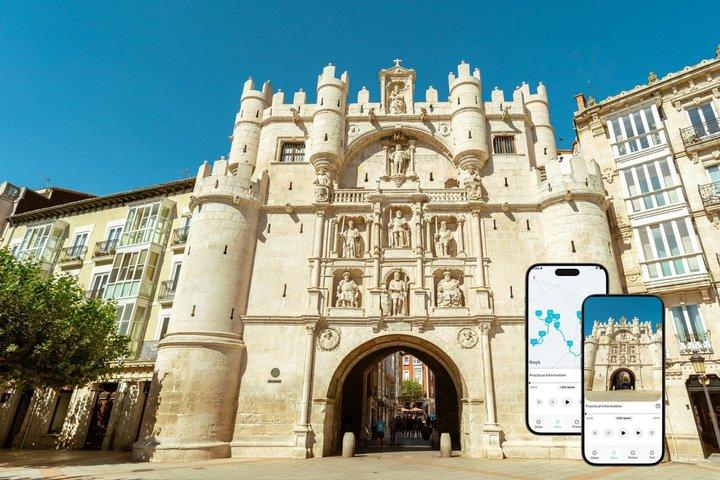
Rich cultural heritage with several museums and historical sites.
Key stop on the Way of St. James pilgrimage route.
Known for its unique culinary offerings and gastronomy.
Burgos is famous for its black pudding (morcilla) and roast lamb, so be sure to try these local specialties.
The city is walkable, but public buses are available for longer distances.
History enthusiasts and cultural explorers.
EUR €
$80-$150 p/day
Spanish, English
When visiting religious sites, dress modestly and respect local customs.
Summers can be hot, so plan to visit museums and indoor attractions during midday heat.
Cultural, Historical, Tourists, Pilgrimage
April-JuneSeptember-November
Spring is a pleasant time to visit Burgos with mild weather and blooming landscapes.
Summers can be hot, but it's a lively time with many cultural events.
Fall offers cooler temperatures and is perfect for exploring the city's historical sites.
Winters are cold, but the city's festive atmosphere during the holidays is charming.